The Year the 13th Century Stopped Being a Theory
1 min
For more than 230 years the Knights Templar have shadowed the Oak Island story. The thesis was one the evidence could not quite support, and could not quite dispel. Season 13 did not prove the thesis. It did something almost as consequential. It made the medieval timeline scientifically defensible from more than one direction at once.
In the season's opening episode, broadcast on November 4, 2025, Steve Salomon, a descendant of the Archibald family, brought to the War Room a silver coin his family had kept for 176 years. According to family history and the 1849 Lunenburg treasure trove application that survives in the Nova Scotia archives, the coin had been recovered from the original Money Pit by Truro Company foreman James Pitblado during a drilling operation that struck two stacked chests of metal at roughly 100 feet. Emma Culligan's XRF analysis confirmed it as a Tornes escudo of .375 silver, struck in Portugal during the reign of King Ferdinand I. By season's end, Portuguese numismatist Alberto Silva had narrowed its striking window to no later than 1371. Fewer than a hundred examples are known worldwide.
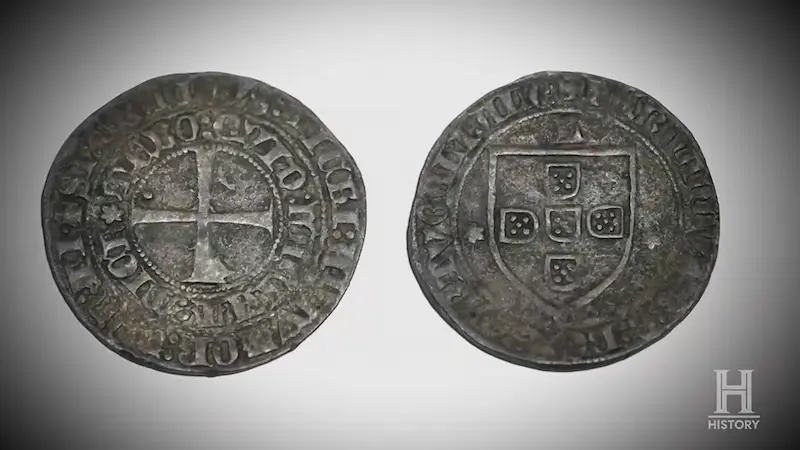 Portuguese Tornes, 1369-1371 (Pitblado coin)→
The carbon-14 floor
1 min
In Episode 15, the team reviewed preliminary carbon-14 results on leather shoe fragments recovered from the cobblestone path lined with octagonal stakes, the same path that had led the previous year to a brick-and-slate vault in the northern region of the swamp. The fragments showed hobnail rather than stitched construction, consistent with European boots rather than 18th- or 19th-century North American manufacture. The primary date range returned by Beta Analytical was 1148 to 1216 AD, with some readings extending as far back as 1047. Craig Tester urged caution, noting that additional cleaning methods and a retest had been requested to confirm the result.
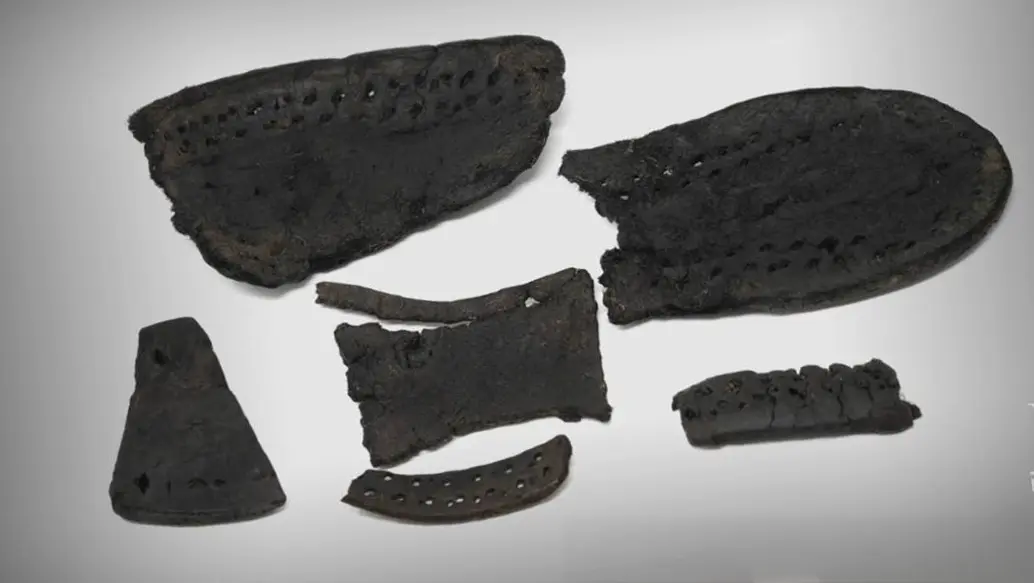 Leather Shoe Fragments→
The carbon-14 reading is what scientists call a terminus post quem with an uncertainty band. It does not say the leather was deposited in 1216. It says the animal whose hide produced the leather was alive between roughly 1148 and 1216. The leather could have been worked, worn, and lost decades or even a century later, but it cannot be older than the latest plausible reading of the date range.
That floor is the season's hardest single dating result, and it sits squarely inside the period when the Knights Templar were active across Europe.
What the stones suggest
2 min
Two stone features on Oak Island acquired indirect dates in Season 13. Both are softer than carbon-14, and both deserve to be presented as such.
In Episode 19, the War Room connected by video with Italian archaeoastronomy professor Adriano Gaspani, joined by translator Marzia Sebastiani. Gaspani had previously published work concluding that the boulders of Nolan's Cross were positioned around 1220 AD on the basis of their alignment with Deneb in the constellation Cygnus. Applied to the round stone foundation on Lot 5, the same methodology returned a date of approximately 1236 AD. The feature shares stellar alignments with the rising of Sirius, the Pleiades, and Hamal. Archaeoastronomical dating is not direct dating. It is a calculation of when a structure's alignments would have matched the night sky given the precession of the equinoxes, and it depends on the assumption that the alignments were intentional. Within those limits, Gaspani's result is a serious piece of work and is consistent with his earlier conclusions on Nolan's Cross.
 The Oak Island Star Map→
 The Geometry of Nolan's Cross→
The second stone feature is the cradle uncovered beneath the 40,000-pound boulder lifted from Lot 8 in Episode 16. After weeks of hand excavation, archaeologist Fiona Steele exposed a tightly fitted formation of hand-cut stones bound with three distinct binders: a fine powder mortar, a blue-grey clay similar to the puddling clay used in the Money Pit, and a harder cement-like substance at the north end. Emma Culligan's analysis identified the binder as a manipulated sand-silt-clay mix with no modern bonding elements. Combined with Dr. Ian Spooner's organic sampling, the dating window placed the feature post-1200s and pre-mid-1700s, with both Culligan and Spooner describing it as premodern and possibly medieval. By the season's final episode, hand excavation had passed below the level of surrounding bedrock without striking rock at the cradle's floor. Marty Lagina ended the year by saying the feature could not be considered finished until the team understood what lay beneath it.
Two stones, two methods, two indirect dates. Both pointing into the same window.
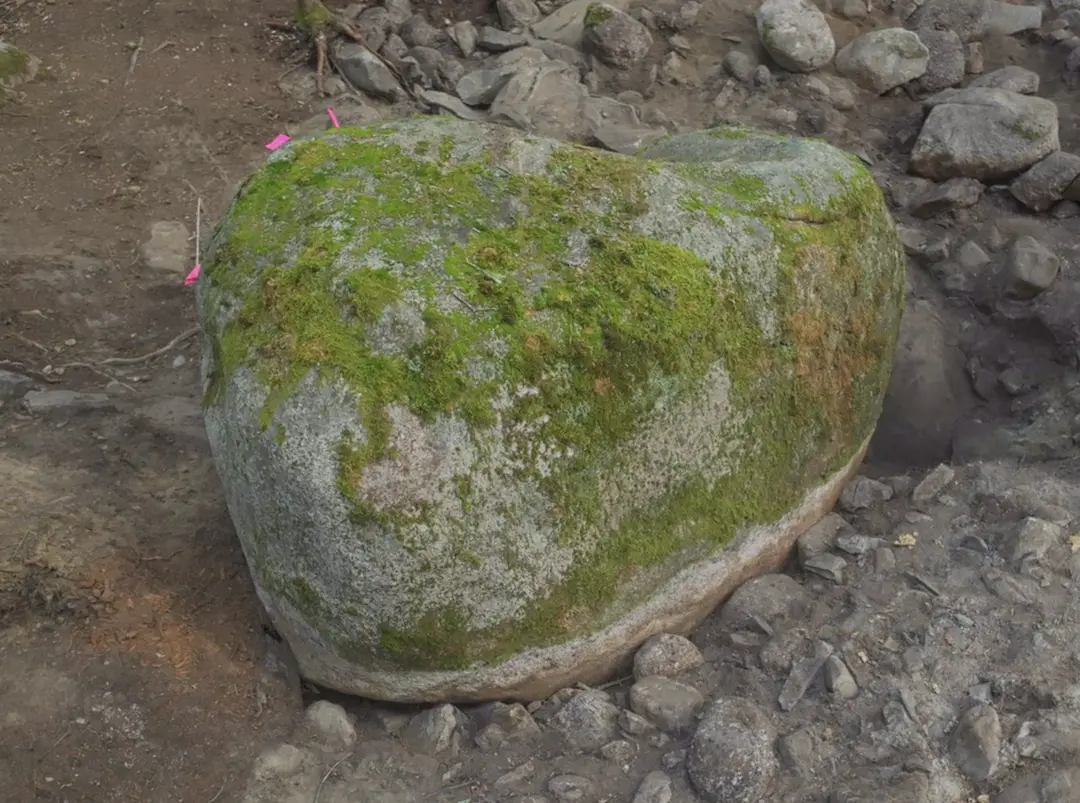 Lot 8 Giant Boulder→
What the Lot 5 coins showed
2 min
The Pitblado coin was not the season's only numismatic discovery, and it was not even the most archaeologically secure one. The Lot 5 round feature continued through Season 13 to produce coinage with a much firmer chain of custody than the 1849 story can ever offer.
In Episode 3, Emma Culligan analysed a small copper-alloy piece recovered by Marty Lagina and Katya Drayton from the same area of Lot 5 where five earlier coins had been pulled. Her CT scan resolved a standing figure holding an oak leaf on the reverse with the legend "officina N" for the ninth workshop, and a bust on the obverse with a sharp nose, pointed chin, and crown that she attributed to the Roman emperor Claudius II. The piece had been struck approximately 250 to 270 AD, the sixth Roman coin recovered from the lot. Sandy Campbell, examining it in the research centre, made a point that bears repeating in any honest account of the find. Roman coins were actively traded as currency across Europe and the New World well into the 1500s, and similar coins have been recovered at sites associated with the Knights Templar in Iceland, where the team had previously done research. On that reading, the Lot 5 Roman coins are not evidence of Roman activity on Oak Island. They are evidence of medieval activity by people who happened to be carrying coins more than a thousand years older than the era they lived in.
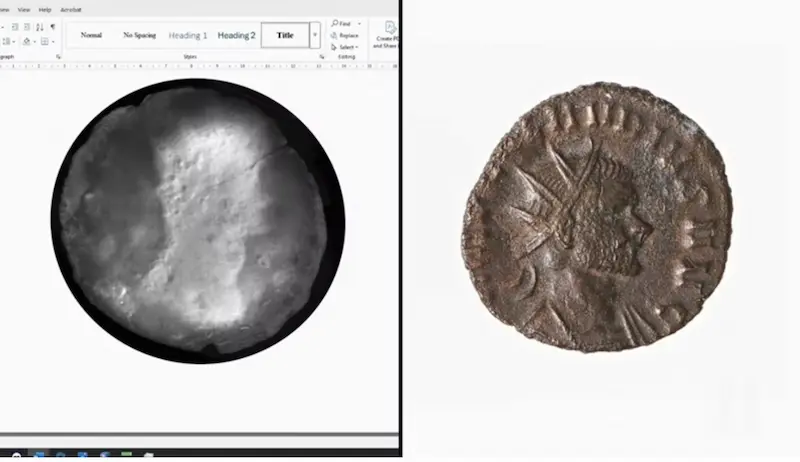 Roman coin (Claudius II), 268-270 AD (Lot 5)→
In Episode 8, a folded copper coin recovered from spoils of the same round feature drew a different kind of confirmation. Gary Drayton recognised it on sight as a talisman, a coin folded to trap misfortune or to appeal for divine protection. In Episode 9, Sandy Campbell confirmed the identification and traced the practice to early medieval Christianity, the Crusades, and the Knights Templar, who honoured Saints George and Bernard of Clairvaux through such offerings. Emma Culligan's compositional analysis placed this particular coin in the 1600s or 1700s. The coin itself is not medieval. The behaviour it records is, and the behaviour belongs to a tradition the Templars carried with them.
 Folded copper coin, post-medieval (Lot 5 round feature)→
A Stepping Stone: The Azores
5 min
A transatlantic crossing in the 14th century becomes more plausible if a midpoint can be established. The obvious midpoint would be the group of islands known as The Azores, the only landmass between the European coast and Newfoundland capable of supporting resupply. Accepted history places their Portuguese discovery in 1427, under Henry the Navigator. Maps from 1339, 1351, and 1385 already depict the archipelago, decades before the official date. Brothers Miguel and Gaspar Corte-Real of Terceira, both Knights of Christ, are recorded as leading undocumented expeditions south toward what they called the land of cod. The accepted timeline does not survive the cartographic record.
At season's end, the team made its annual European research trip, a tradition Corjan Mol started in Season 9 with a journey to Portugal. The destination this year was The Azores, Portugal's biggest offshore province, and not by coincidence. The Portuguese evidence has grown faster than any other strand of the case: the Pitblado coin struck no later than 1371 under a king who patronised the Order of Christ, the Lot 26 dry-stone wall built in the same technique used in 15th-century Terceira, the iron deck spike from the Lot 5 round feature that a Portuguese archaeologist places in the 14th century, the stoneshots traced to the Azores. Four pieces of physical evidence on Oak Island now point at one country. Going there was the next step.
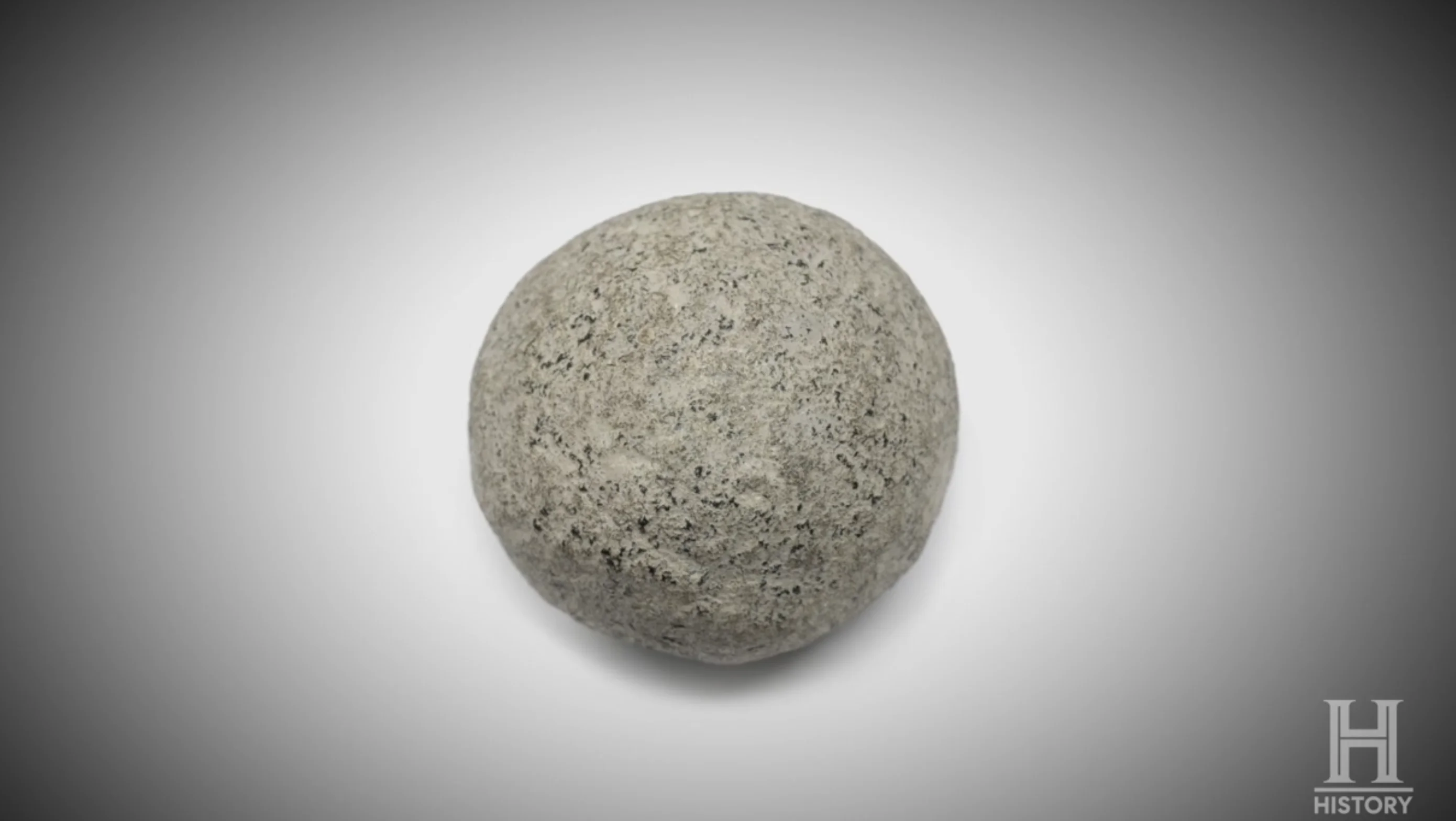 Stone Shot (Peacock 1)→
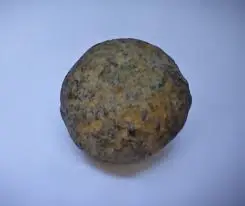 Stone Shot (Money Pit)→
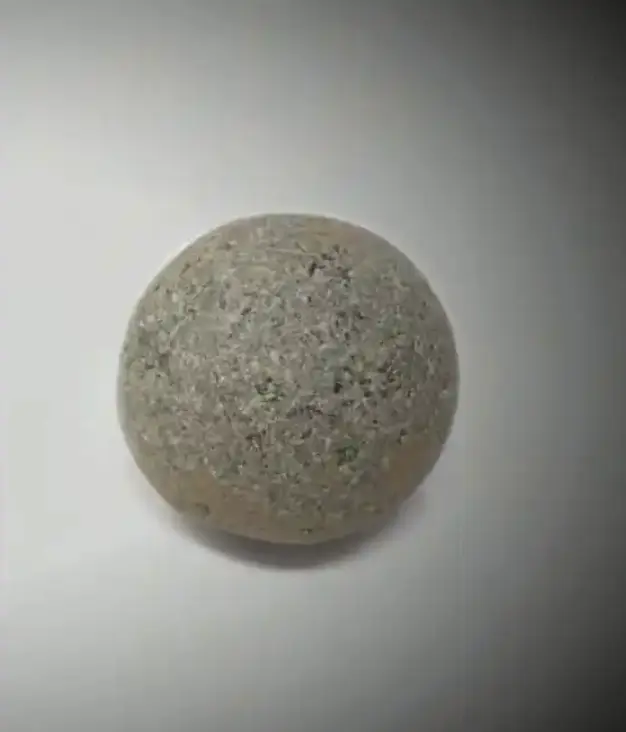 Stone Shot (Lot 16)→
Each annual trip since Season 9 has taken the team to a site where the documentary or material record places medieval European activity within reach of the Atlantic: Fontarcada and the 12th-century Templar church there in 2021, Camerano in Italy and its Templar cave carvings, Iceland and the Roman coin finds at Templar-associated sites. Doug Crowell, Emiliano Sacchetti, and Judi Rudebusch have grown the documentary spine of the work in parallel: Crowell's recovery of the 1746 d'Anville ship's log from the Nova Scotia Archives, Sacchetti's year in Rome, the Vatican, Ottawa, and Library and Archives Canada establishing the Knights of Malta presence in Nova Scotia, Rudebusch's iconographic identifications across Templar and Order of Christ symbology. The trips read east to west. This year's trip closed the corridor at its last stepping stone before Oak Island.
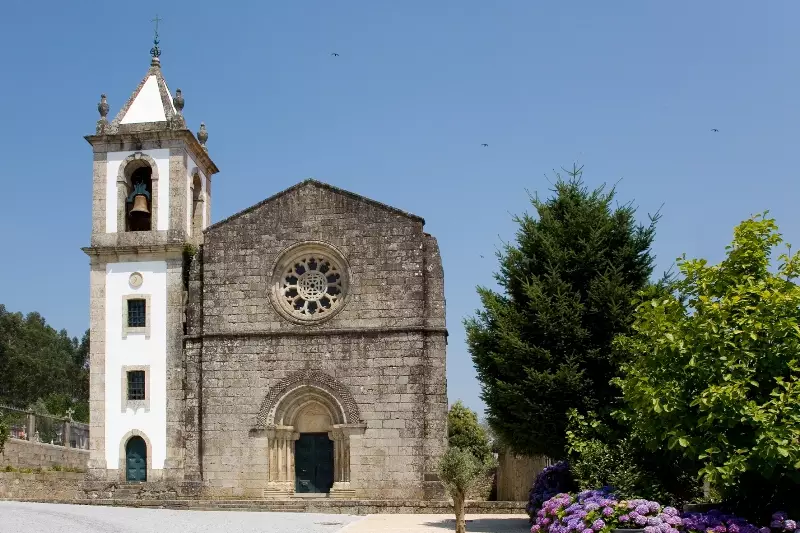 Church of Fonte Arcada→
The Pitblado coin sits inside this geography. Sandy Campbell, the coin expert who examined the piece at Rick Lagina's request in S13E2, identified it as an uncirculated Tornes escudo of Portugal struck during the reign of Ferdinand I and observed that its uncirculated condition could only have been preserved at depth. Emma Culligan's XRF identified the composition as silver, zinc, copper, and nickel, matching the trace metals Dr. Ian Spooner has detected in Money Pit water. Researcher Judi Rudebusch identified a Templar cross on the reverse. In the season's penultimate episode, Portuguese numismatist Alberto Silva at the Luís da Silva Ribeiro Public Library and Regional Archive on Terceira narrowed the striking window to no later than 1371. Fewer than a hundred examples are known worldwide despite a much larger original mintage.
 Regional Public Library and Archives of Angra do Heroismo→
What science cannot do is verify that James Pitblado in 1849 pulled this particular coin from the bottom of the Money Pit. The 1849 Lunenburg treasure trove application filed jointly by Charles Dickson Archibald and Pitblado survives in the Nova Scotia archives, and the coin's descent through the Archibald family is documented. Both are documentation. Neither is unbroken chain of custody. The coin's authenticity, its date, its rarity, and its compositional consistency with the metals in the Money Pit water are all established. Its specific origin in the 1849 drilling cannot be.
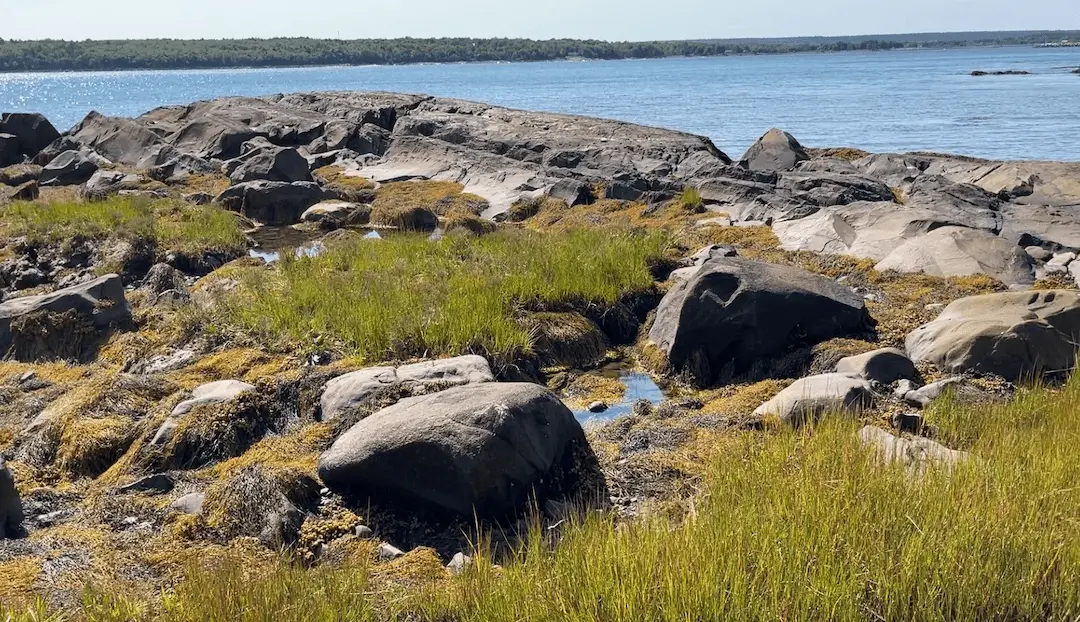
In Season 13, Rick Lagina, Alex Lagina, Doug Crowell, Peter Fornetti, Corjan Mol, and Emiliano Sacchetti met historians Francisco Nogueira and Manuel Gandra at the Igreja Matriz de São Sebastião (Church of Saint Sebastian), a 15th-century church built on the island of Terceira under the Order of Christ, the Portuguese successor to the Knights Templar founded by King Denis in 1318. In one of its chapels, Mol identified a three-pronged carving of the symbol known as the goose paw, used by the Templars at sacred sites across the Mediterranean and Europe between the 12th and 14th centuries. The team had previously documented the same symbol at Camerano (Italy), in Valkenburg (The Netherlands) and on a stone surface on a beach in Brooklyn, Nova Scotia, fifty miles from Oak Island. A similar carving appeared at the Church of Nossa Senhora da Conceição (Our Lady of the Conception) in Angra do Heroismo. At Serreta, dry-stone walls carbon-dated to between 1470 and 1475 AD matched the construction of the wall on Lot 26 of Oak Island, attributed by Nogueira to Portuguese-Azorean builders.
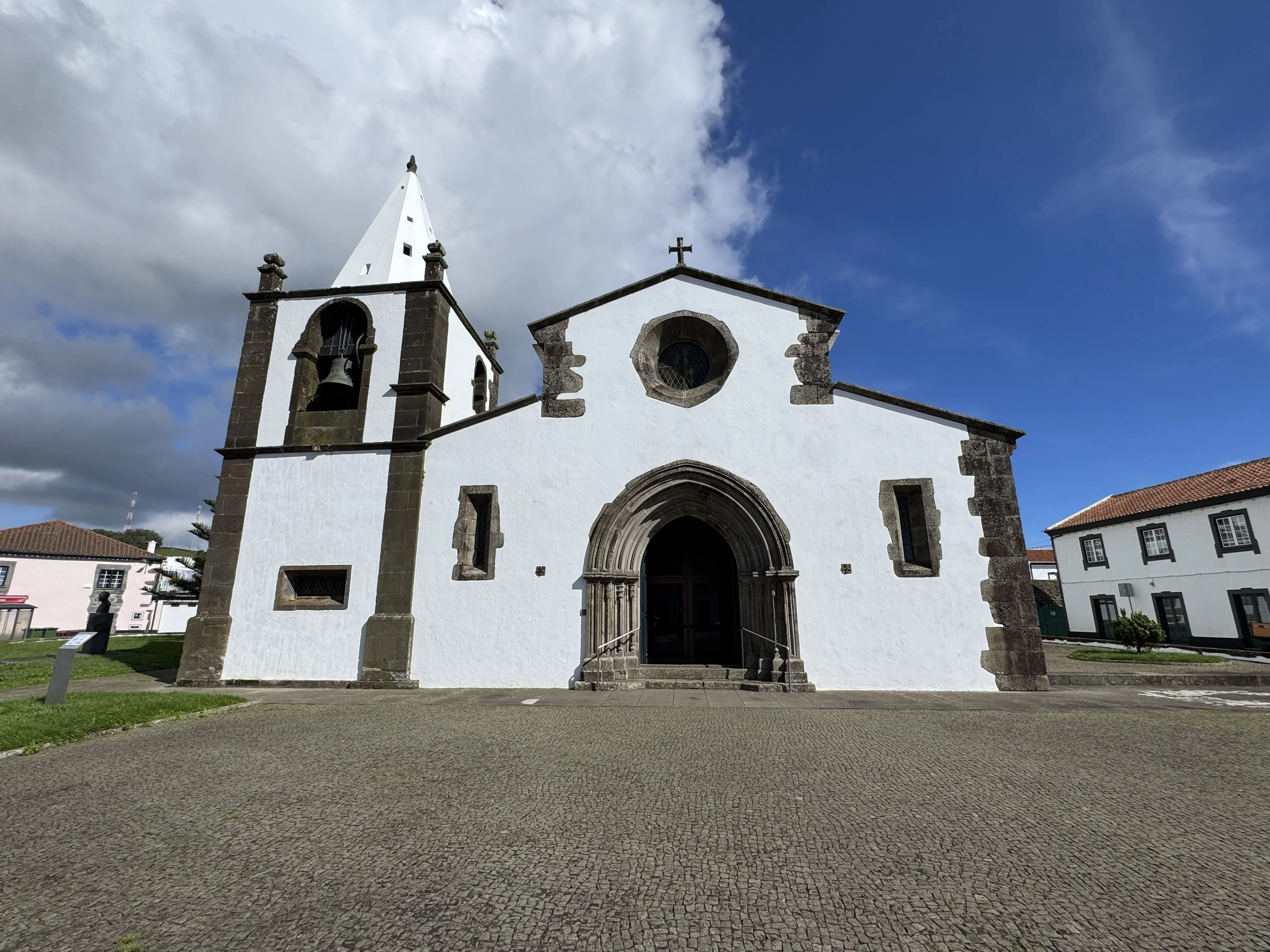 Church of Saint Sebastian→
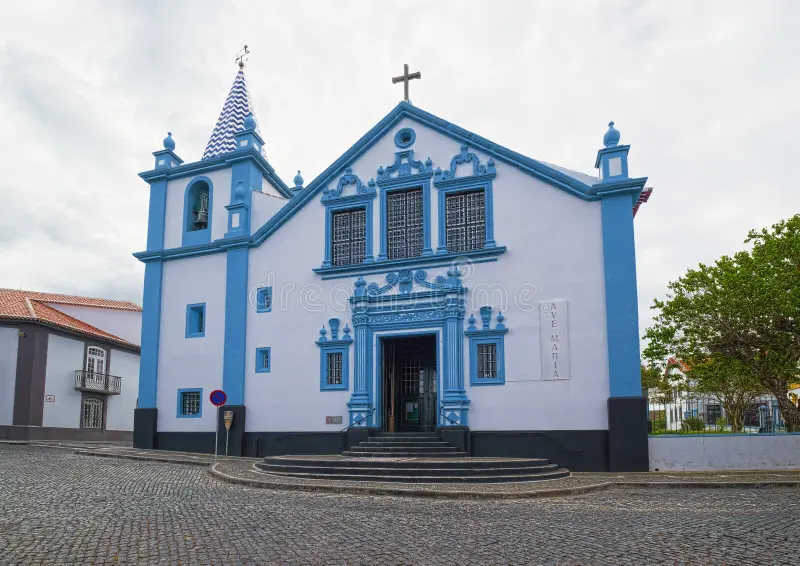 Church of Our Lady of the Conception→
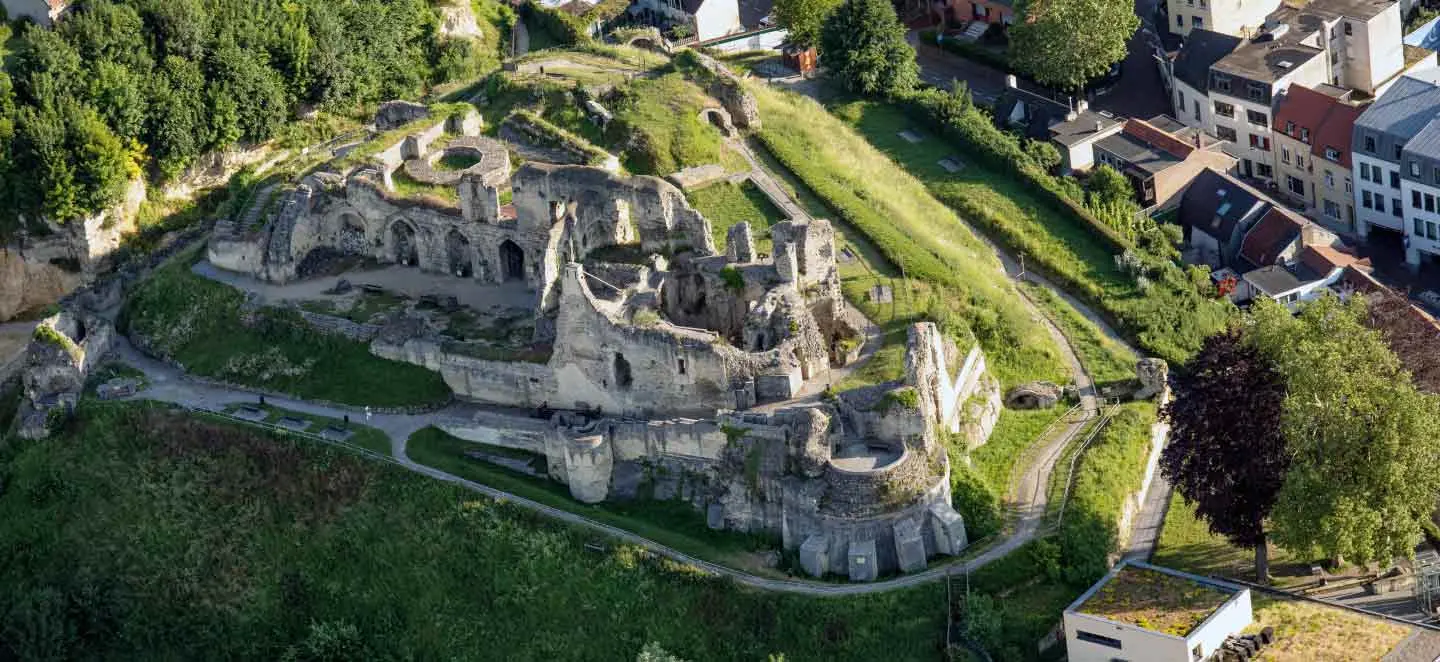 Valkenburg Castle Ruins→
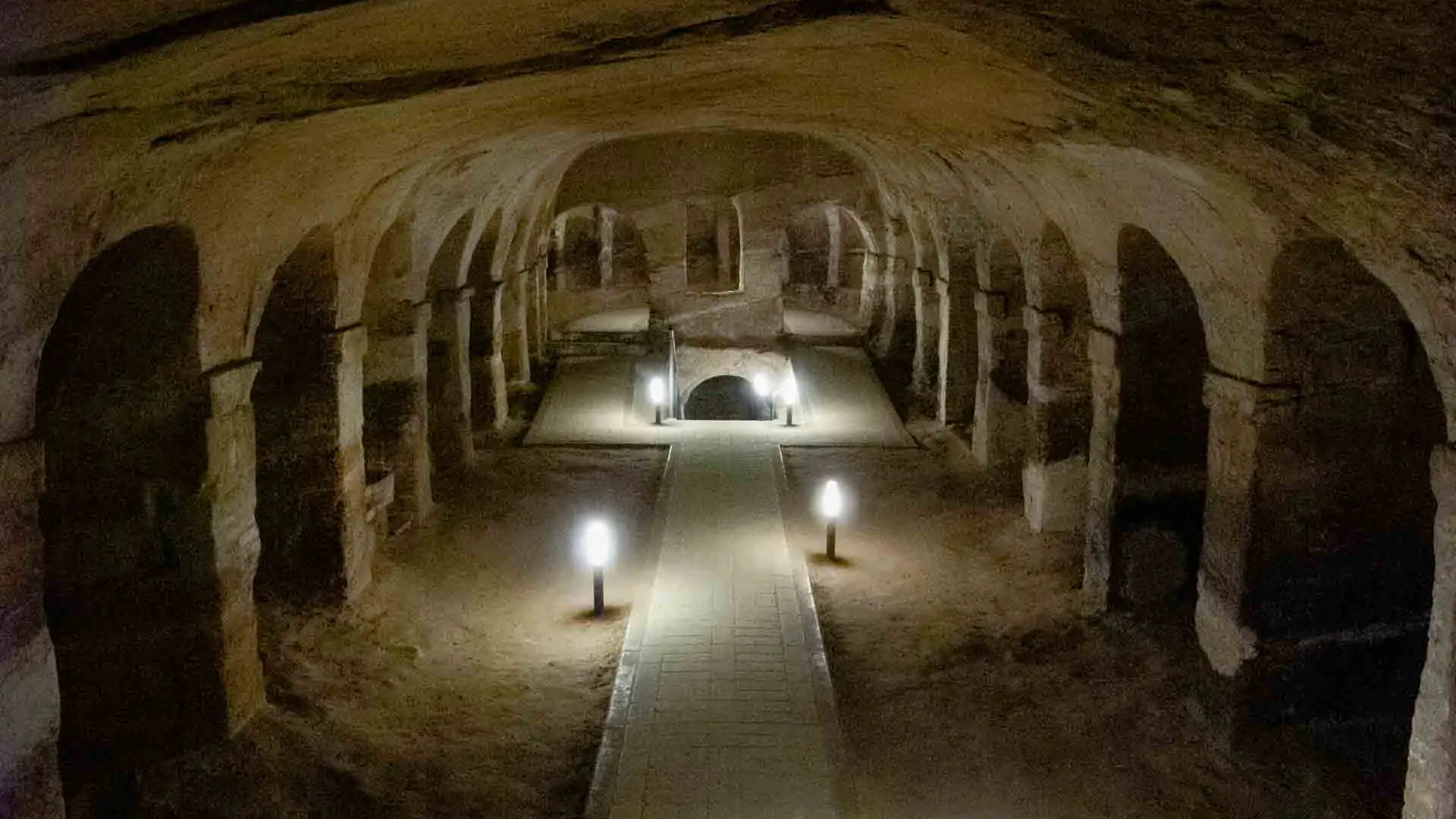 Camerano Caves→
 Brooklyn Nova Scotia→
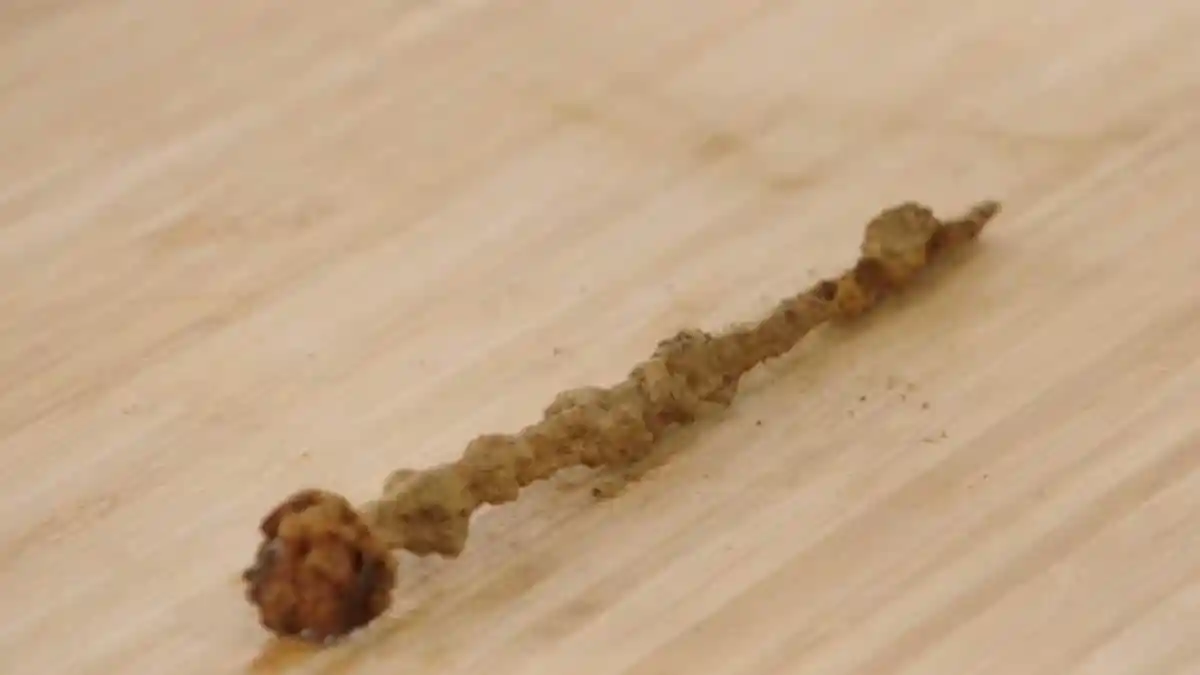
The trip culminated at the Angra do Heroísmo Museum, where archaeologist Tiago Rodrigues assessed three artifacts the team had brought from Oak Island. The first was a stone shot, one of three recovered on the island in S13: hand-shaped stone projectiles of a type European cannons fired before cast-iron munitions replaced them in the late 15th century. Dr. Robert Raeside of Acadia University, who had examined two earlier specimens, attributed all three to Portuguese-Azorean origin and dated the most recent specimen confidently to the 1300s or early 1400s. Peck marks identified by Emma Culligan's CT scan confirmed stonemasonry rather than natural shaping. The second artifact was the Pitblado coin. The third was an iron deck spike Jack Begley recovered in 2023 from the Lot 5 round foundation, the same feature Gaspani's archaeoastronomy dates to 1236. Rodrigues identified the spike as unmistakably Portuguese and possibly 14th-century, a finding that mirrors Maltese military historian Matthew Balzan's earlier assessment of the swamp hand cannon fragment as European military hardware potentially dating to the 1200s. Three independent Portuguese authentications, all converging on the same century the carbon-14, archaeoastronomy, and binder analysis had already produced.
 Hand-wrought iron spike (12th-13th century)→
Another line from France
1 min
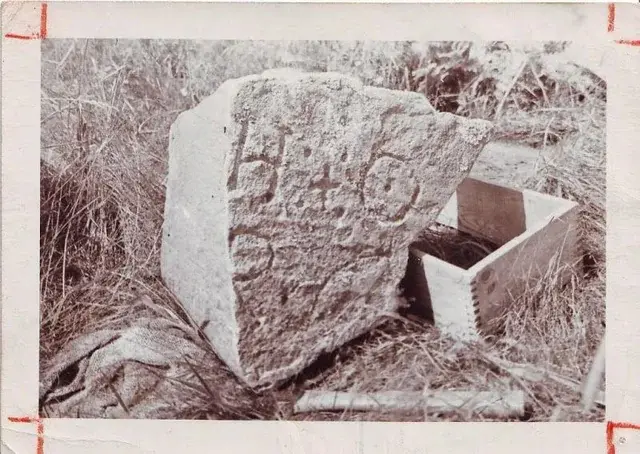
In Episode 18, researcher Charlotte Wheatley presented four years of research linking a phrase from the late Zena Halpern's believed 14th-century Templar map ("Le Lionceau de Talmont") to Talmont-sur-Gironde on the west coast of France. The site holds a Romanesque church dedicated to Saint Radegund whose axis, oriented at roughly 292.4 degrees, projects across the Atlantic to Oak Island. Two further Saint Radegund churches within sixty kilometres share orientations of approximately 292.1 degrees with the same projection. Wheatley connected the three sites to the Templars through Bernard of Clairvaux and the Cistercian network, and noted that Saint Radegund is depicted carrying a book bearing a four-dot cross, the same symbol carved into the H+O stone found at Smith's Cove in 1921.
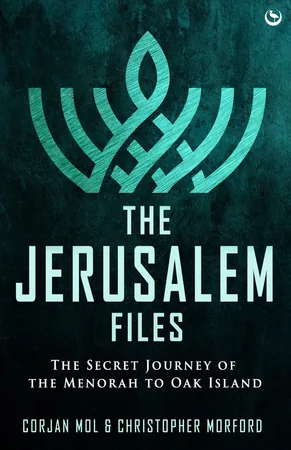
The standing structures at all three churches were built or principally rebuilt in the 12th century, the period of greatest Templar activity. What is no longer in doubt is that French religious traditions included precise long-distance alignment work: research by Corjan Mol and Christopher Morford, presented in Season 8, Episode 4 of The Curse of Oak Island, documents 17th-century French alignments executed across hundreds of kilometres with incredible precision. That capability does not prove the three Saint Radegund churches were laid out by Templars. It does place Wheatley's projection in a tradition with documented precedent.
The Masonic lens
2 min
Two Season 13 findings sit alongside the medieval evidence rather than inside it. Both involve Masons. The first is a researcher's argument. The second is an artifact in the bog.
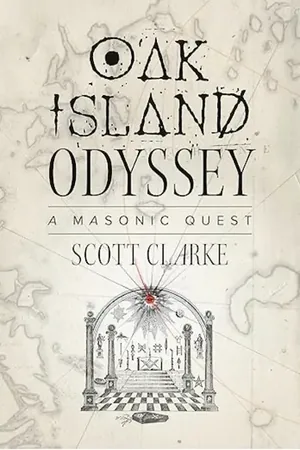
In Episode 21, the team met by video with Canadian researcher Scott Clarke, who has presented Oak Island findings to the team across multiple seasons. Clarke presented findings he titled From Nazareth to Nova Scotia. The argument runs through a single symbol: a letter A with a V-shaped crossbar in place of the standard horizontal one. Clarke identified the symbol on the Titulus Crucis, a wooden tablet housed in Rome's Basilica of the Holy Cross and believed to have been placed above the cross at the crucifixion. He matched it to Templar churches across Europe, to A-shaped carvings photographed by Corjan Mol at the Convent of Christ in Tomar, Portugal, and to pentacles engraved on Portuguese Templar gravestones. He returned to a 1762 map of Mahone Bay drawn by Nova Scotia's chief surveyor Charles Morris, also a Mason, in which the same V-shaped A appears in the legend and points directly at Oak Island when extended. Doug Crowell connected the Azores element of the argument to the Pitblado coin. The line Clarke draws is symbolic rather than physical, and it depends on accepting that the V-shaped A is being used deliberately as a marker rather than as a stylistic flourish. Within those limits, the thread runs from a relic in Rome, through Portuguese Templar successor sites, to a 1762 map of Oak Island drawn by a Masonic surveyor.
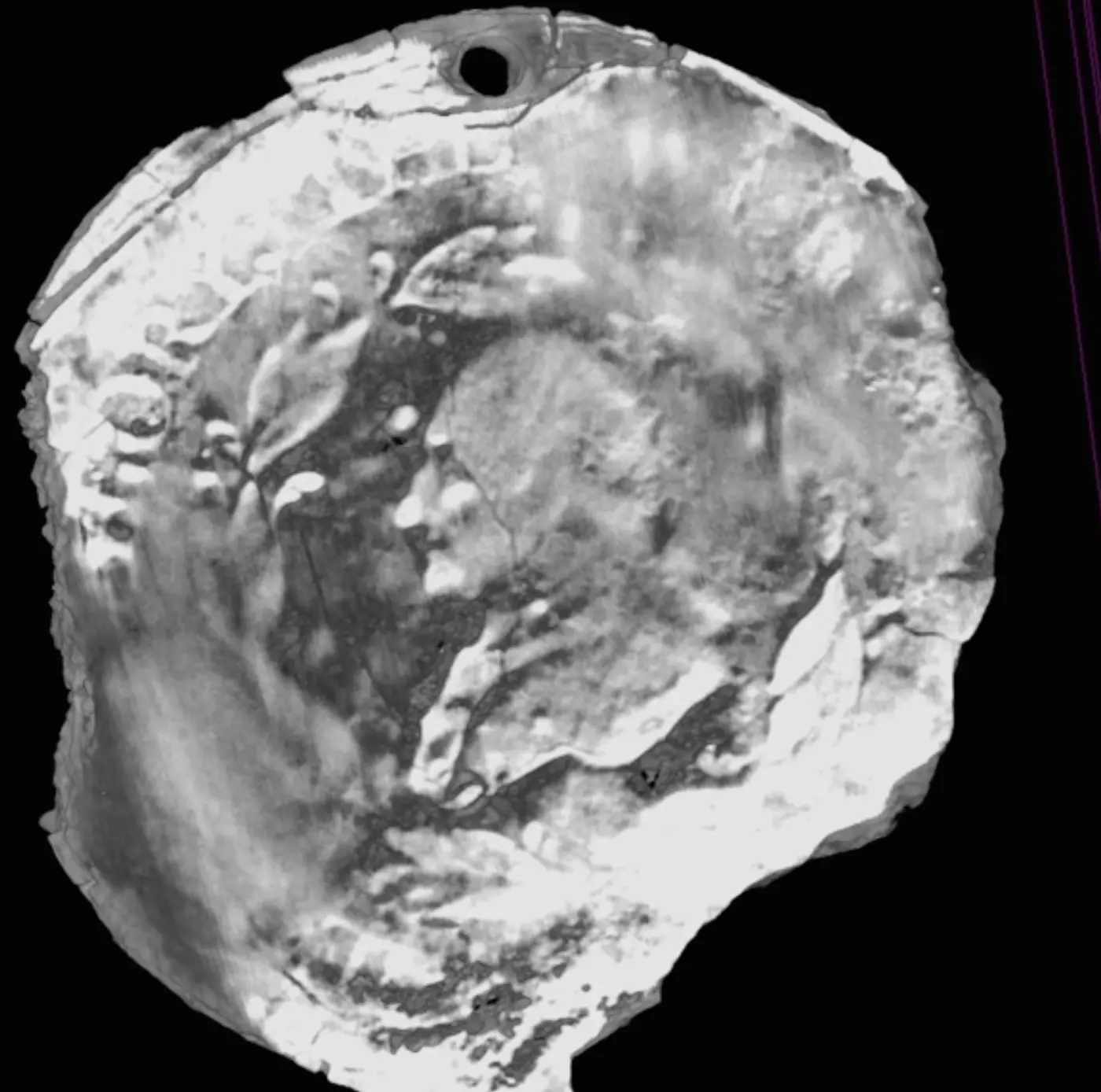
The second finding came in Episode 16. While clearing material near the cobblestone pathway in the northern region of the swamp, Gary Drayton's detector registered a non-ferrous signal. The recovered object, delivered to the lab by Alex Lagina and Drayton, was identified by Emma Culligan and Laird Niven as a Washington Funeral Medal struck in 1800 and designed by Jacob Perkins of Newburyport, Massachusetts, a Mason and the anti-counterfeiting engineer behind much of the era's American currency. The medal carries George Washington's profile on one face and a funerary urn on the reverse, with a deliberate hole at the top intended to be worn at the official memorial service of February 22, 1800. Whoever carried the token into the north end of the Oak Island bog did so five years after the Money Pit was discovered. As Marty Lagina noted in the War Room, Masonic figures appear at every major chapter of the Oak Island story, from Daniel McGinnis at the 1795 discovery through Melbourne Chappell in the 20th century to Franklin D. Roosevelt in the 1930s.
 George Washington funeral urn medal, 1800 (swamp)→
 The Chappell Family and the Vault Beneath Oak Island→
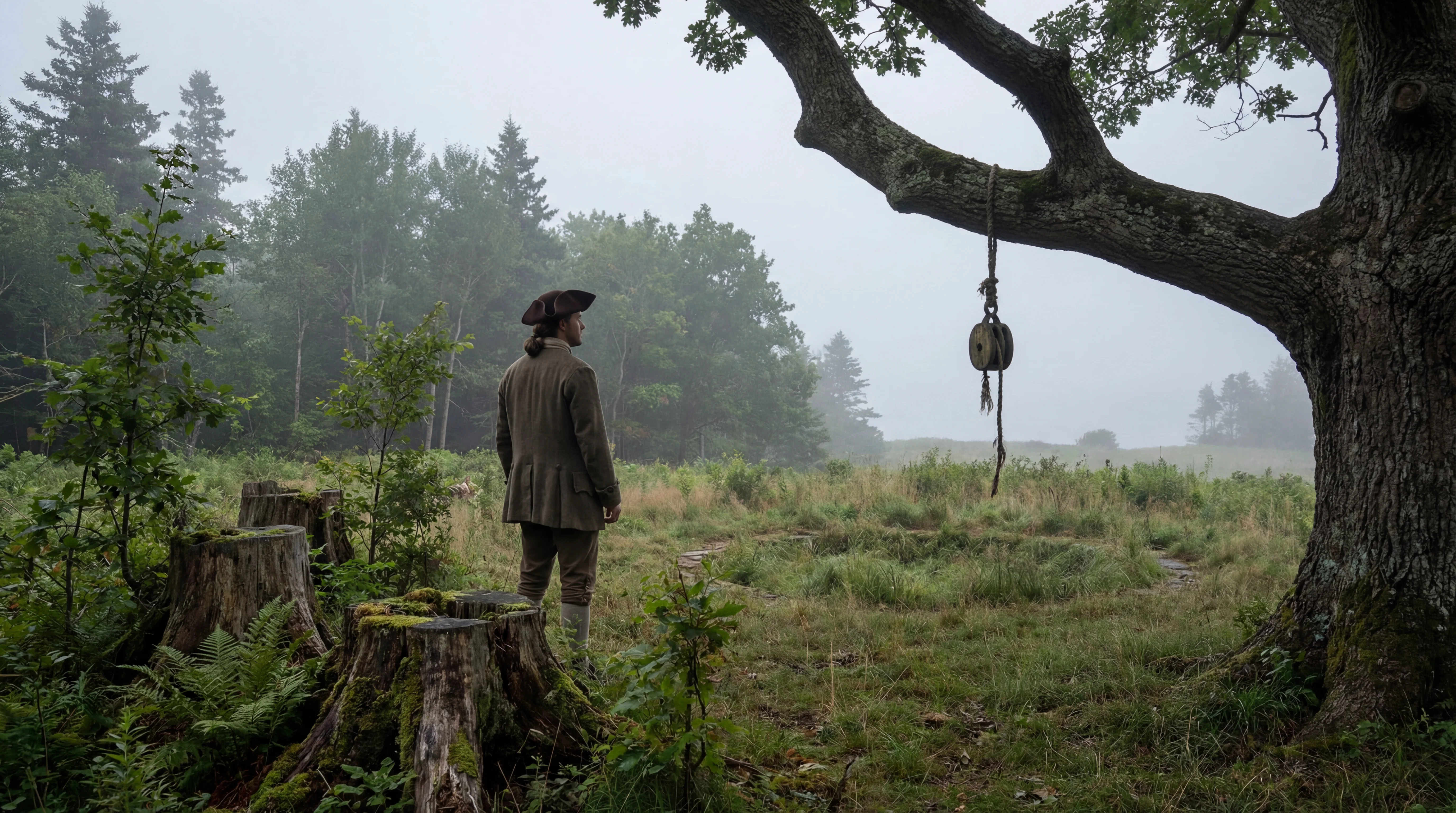 The Real Daniel McGinnis of Oak Island→
No treasure yet
2 min
In season 13, five new caissons were sunk in the Money Pit area: TPF, Karma-1, Peacock-1, MS-1, and MP-1. None reached its design depth without complication. None recovered what can be qualified as treasure. The Peacock void identified by sonar at 148 feet, accompanied by underwater camera footage that Bob Brown of Prohawk Technology Group assessed as more than 90 percent likely to contain man-made objects, was not re-encountered in subsequent boreholes drilled within feet of the original target. The Lot 8 cradle produced no artifact in its base. The William III sixpence Katya Drayton recovered from Robert Dunfield’s 1965 spoils on Lot 18 in the season finale, identified by Emma Culligan’s CT imaging as a 1697 to 1701 piece struck under Sir Isaac Newton’s Great Recoinage, was the only piece of silver coinage the season actually pulled from the ground. It was the third coin recovered from Dunfield Money Pit spoils on the show: Gary Drayton and Dave Blankenship pulled a 1673 Charles II Britannia copper and a 1694 William III Britannia copper from the same Dunfield / Money Pit spoils mass on Lot 16 in 2017, with the 1694 piece serving as the first William III coin from that mass and the 2026 sixpence the second.
 William III sixpence, 1697-1701 (Lot 18)→
 Britannia copper, 1694 (William III, Lot 16)→
 Britannia copper, 1673 (Charles II, Lot 16)→
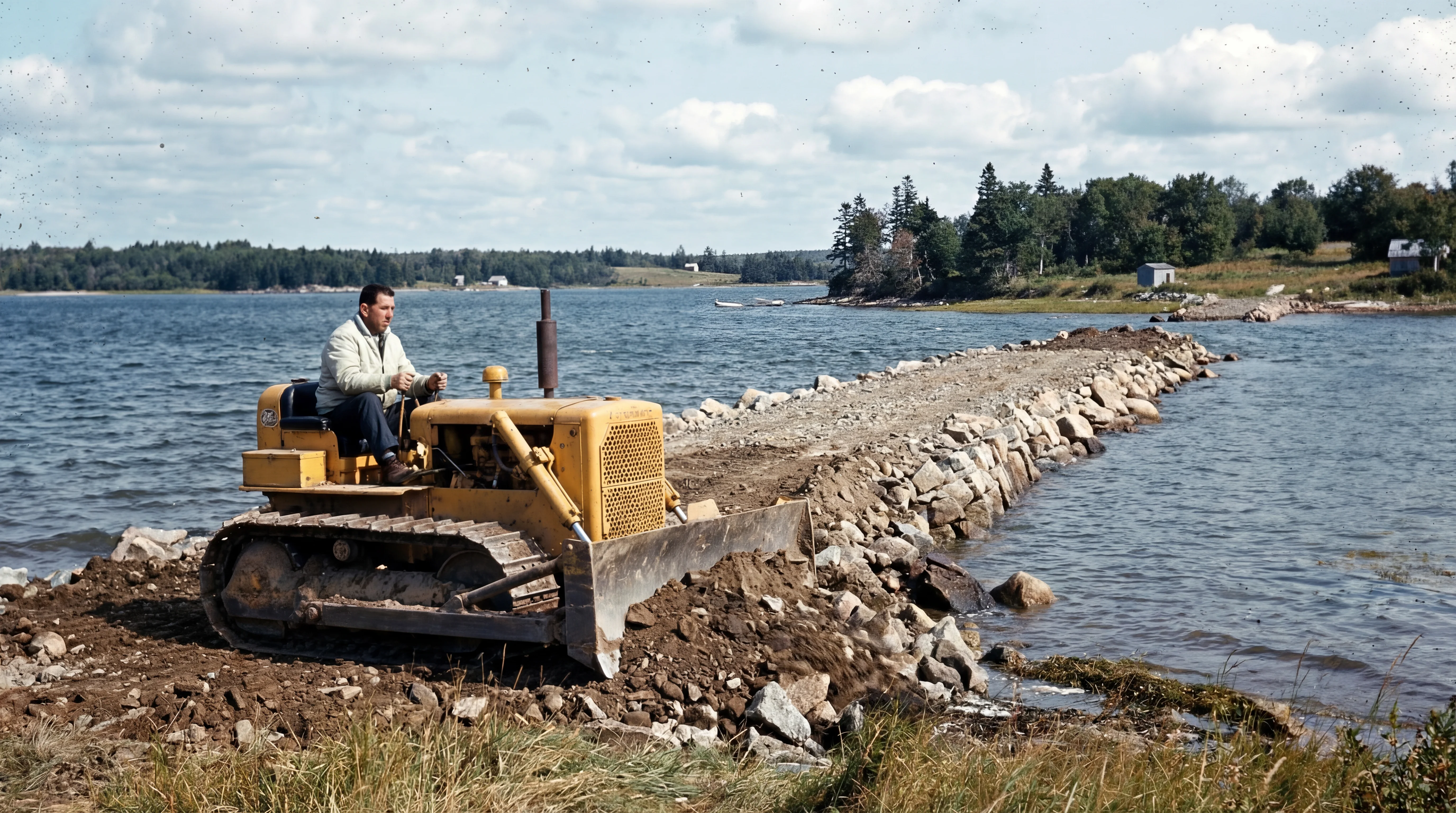 Robert Dunfield and the Destruction of Oak Island→
What the season did produce, methodologically, was Dr. Spooner's confirmation by XRF that solution channel sediments from boreholes I-9.5 and K-9.5 contained elemental silver attached to clay particles, a non-natural source. And in the season's final War Room, Spooner presented an idea originally suggested by Dr. Fred Michel: testing the wood recovered from the old shafts on the principle that submerged wood acts as a natural filter for dissolved metals. Of fifteen samples processed, the wood from Shaft 2A in 2024 returned the highest silver reading and the third-highest gold reading recorded on the island. Marty Lagina committed to extending the program.
The methodological pivot is the season's quietest result, and possibly the most important one. If the source of the metals cannot yet be reached directly, the metals it has shed into water and into wood may be reachable by other means.
Wood from 2A shaft→
Medieval baby!
1 min
What Season 13 established was a carbon-14 floor at 1148 to 1216 in the swamp, an archaeoastronomical date of 1236 for the Lot 5 round foundation, a binder analysis on the Lot 8 cradle pointing to a premodern construction, a sixth Roman coin and a folded talisman coin from the same Lot 5 feature consistent with medieval ritual practice, and a Portuguese coin whose striking date is no later than 1371 and whose ties to the Order of Christ are no longer in serious doubt. It established geographic continuity from the Azores to Mahone Bay through symbols carved at sites whose Portuguese-Templar lineage is documented. It did not establish what was buried, where, or by whom. It did not lift treasure.
The thirteenth-century framing of the Oak Island story has been on the table for at least a decade, mostly as conjecture. After Season 13, it is no longer conjecture alone. It is a working hypothesis with an overwhelming number of independent organic dates, indirect stone dates, and material evidence pulling in the same direction. That is not the same as proof. It is the difference between an argument the show was making and an argument the science is now making.
Season 14 will be asked to do what Season 13 could not, which is to convert convergence into something a museum could accept.
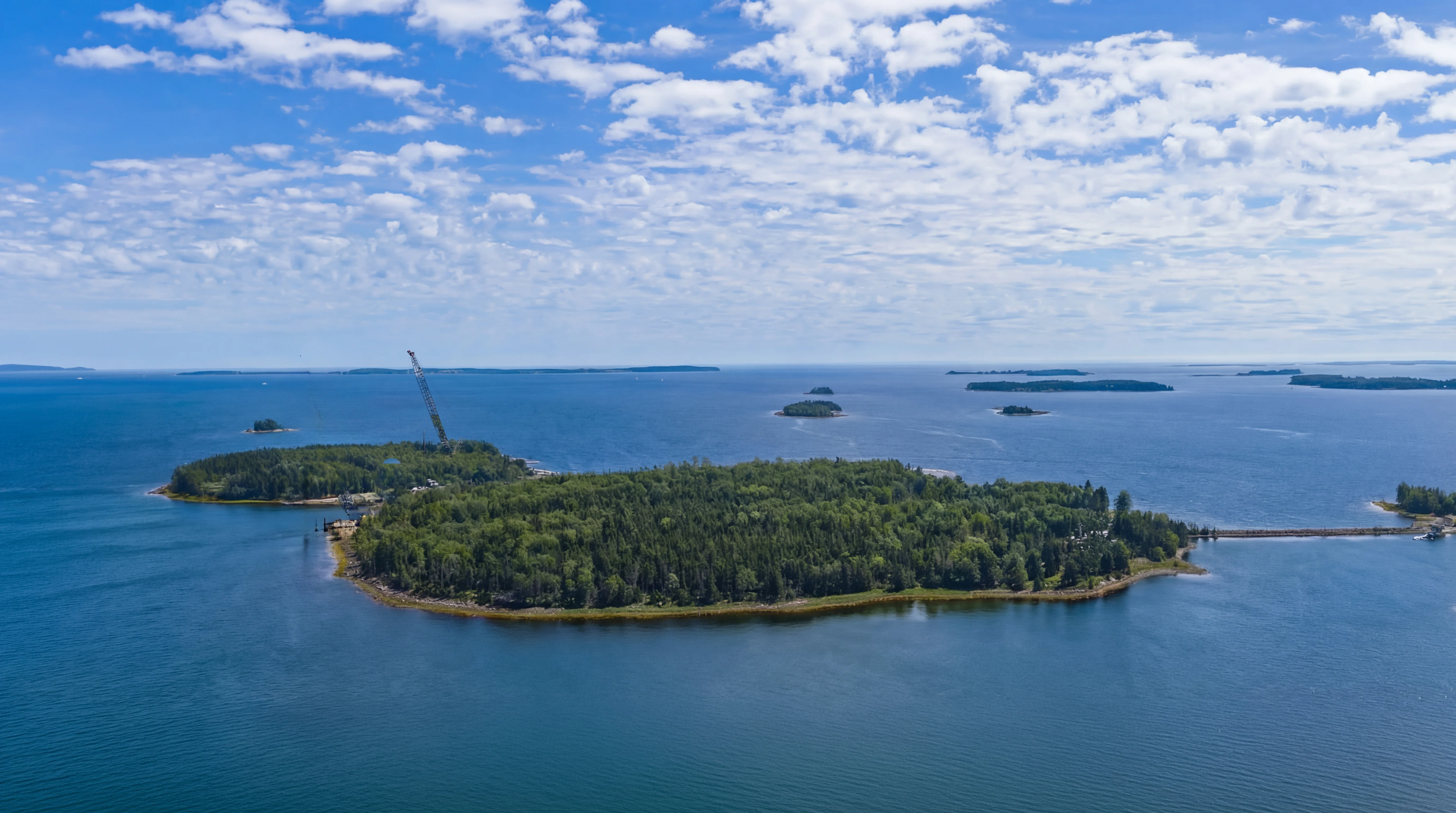 Oak Island Evidence: 2026 Update→