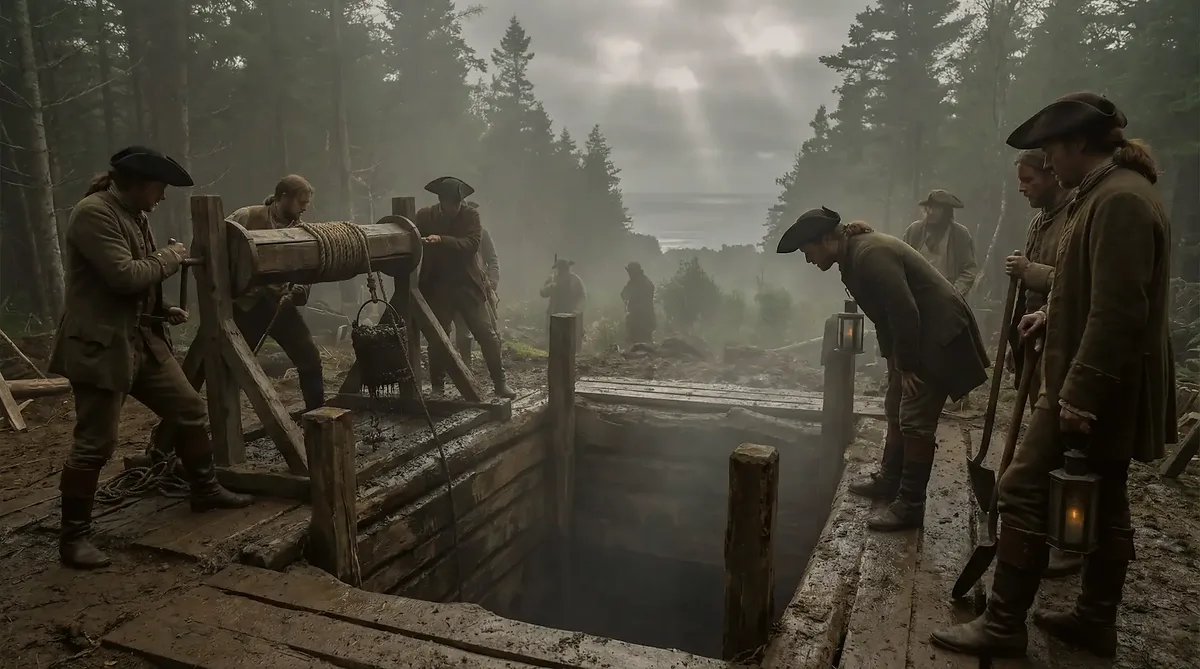
William Chappell was a contract driller from Sydney, Nova Scotia, when he joined the Oak Island Treasure Company, formed in 1893 by Frederick Blair, an Amherst insurance agent who would hold the island's treasure rights for most of the next sixty years. He was not a dreamer or a promoter. He was a man who operated machinery for a living and who understood what a drill bit was telling him when it passed through different materials underground. In the summer of 1897, at a depth of 153 feet in the Money Pit, the bit Chappell was operating told him something that would define his family's relationship with Oak Island for the next eighty years. It passed through spruce, then fell through empty space, then cut through oak, then through loose metal, then through more oak, then more metal, then more oak, then spruce again. The sequence described two wooden chests, stacked one on top of the other, encased in a larger wooden structure approximately seven feet tall and sealed in a layer of cement. When the bit was withdrawn, it carried with it a tiny scrap of parchment bearing what appeared to be the letters "Vi," written in India ink. The work manager for the drilling, a man named T. Pearly Putnam, privately told Blair that the drill bit showed unmistakable evidence of having passed through or into gold.
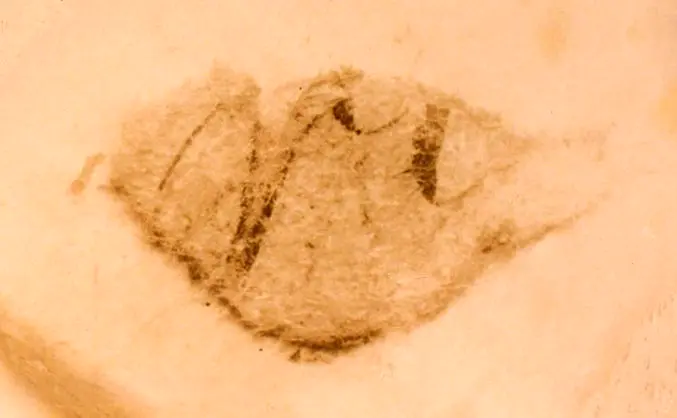 Parchment fragment→
A Parchment and Its Promise
2 min
The 1897 discovery was not the first time someone had drilled into something at depth in the Money Pit. The Truro Company's pod auger had brought up oak, metal fragments, and loose material from roughly the same zone in 1849. But the Treasure Company's drilling was more systematic, and the parchment scrap gave it a specificity the earlier probes had lacked. Parchment meant writing. Writing meant human intent. Combined with the cement, the stacked oak platforms, and the traces of gold, the find amounted to the strongest physical evidence yet recovered from the Money Pit that something had been deliberately placed there.
William Chappell signed a sworn affidavit on October 25, 1929, describing what the drill had encountered. Blair wrote his own account in 1900. When D'Arcy O'Connor, the journalist whose books became a standard history of the search, compared the two documents decades later, he found factual discrepancies between them but concluded that Chappell's version, matched against several later drill probes, appeared to be the more accurate of the two. The parchment itself passed into Blair's keeping. Blair carried it for the rest of his life, and it eventually made its way into the Nova Scotia Archives through Blair's son Gordon and the lawyer R.V. Harris.
The affidavit also records two details that later searchers would return to again and again. Samples of the gray, stone-like layer the drill met below 151 feet were sent to chemists, who reported an average of 37.3 percent lime, 33.8 percent carbon dioxide, 13.6 percent silica, 10.2 percent iron and alumina and 5 percent magnesium, and pronounced it to have the composition of cement. Graham Harris and Les MacPhie, geotechnical engineers who reviewed the analysis in Oak Island and its Lost Treasure, note that pure limestone contains 44 percent carbon dioxide and a man-made lime mortar of the period would usually contain much less, so the result fits an impure natural limestone as well as a mortar. In a third hole, Chappell described striking iron at 171 feet: "The iron was very solid, and the metallic sound could be plainly heard at the surface. We drilled on it two hours or more, getting into it not more than one quarter inch." The drill was sharpened and tempered for iron, and two more hours gained another quarter inch.
The structure that the 1897 drill had penetrated became known as the Chappell Vault. It was not a vault in any architectural sense. It was a description inferred from drilling data: a seven-foot-tall wooden enclosure, sealed in cement, containing what appeared to be loose metal in two distinct compartments. No one had seen it with their eyes. No one had touched it with their hands. Its existence rested entirely on what the drill bit had passed through and what it had brought back up. That distinction mattered, because for the next 130 years, every major expedition to Oak Island would orient itself around the task of reaching a structure that had been identified by feel rather than by sight.
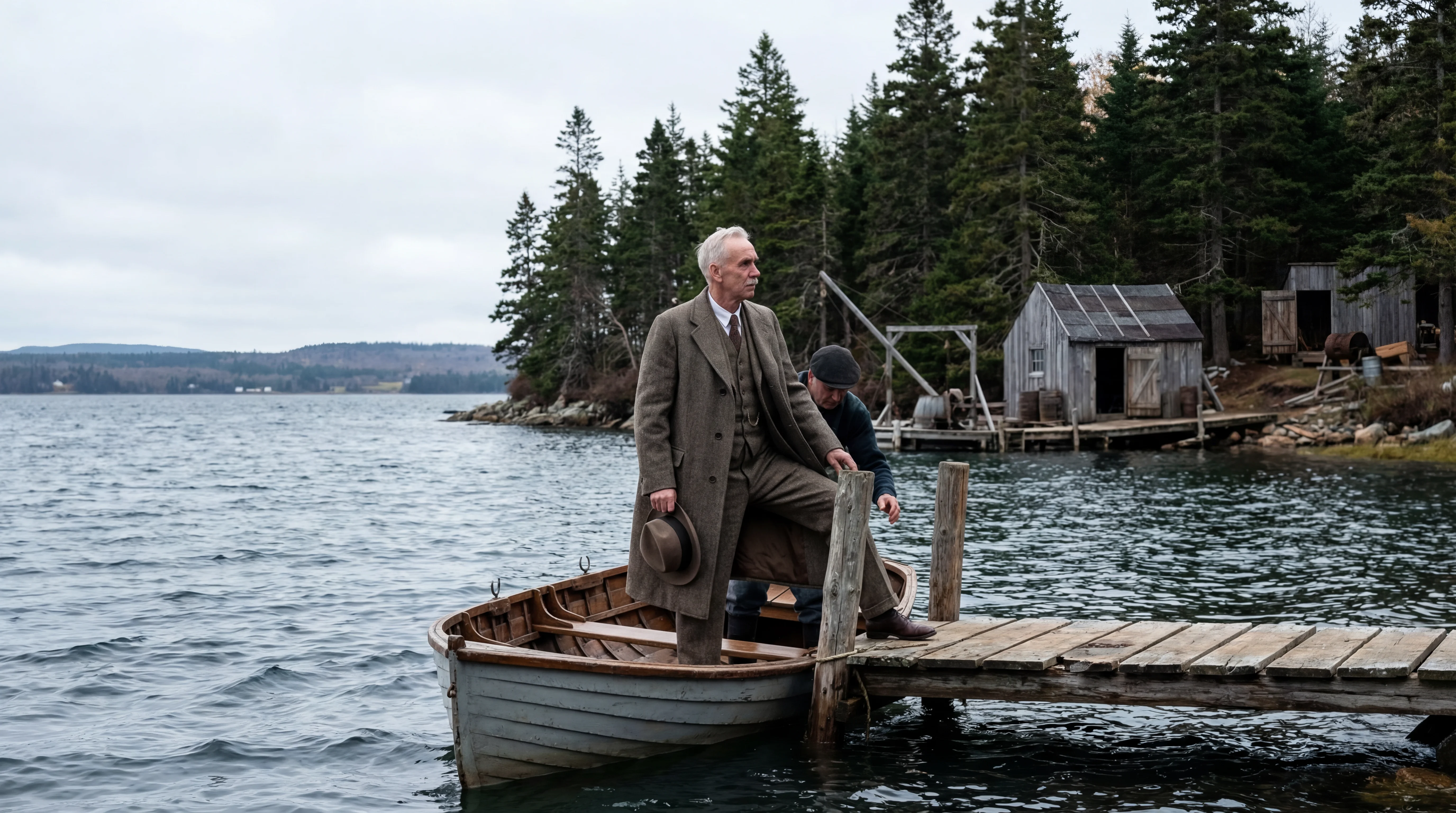 Frederick Blair: The Man Who Held Oak Island for Sixty Years→
Six Feet from the Money Pit
5 min
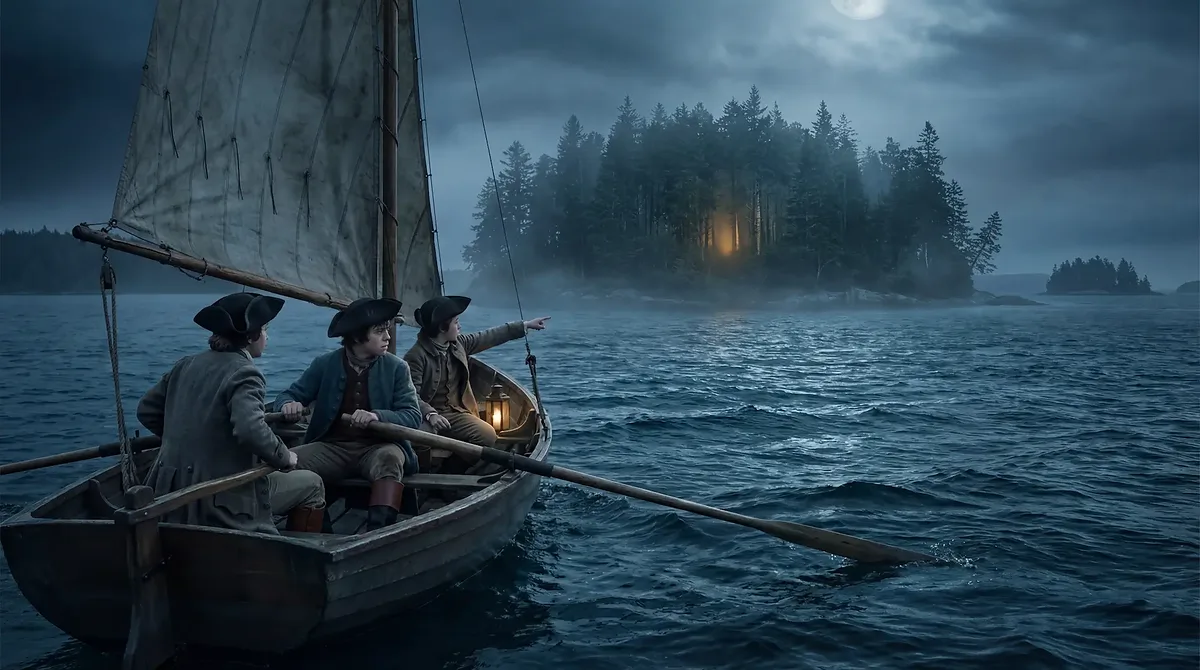
William Chappell did not return to Oak Island for thirty-four years. His next involvement came in 1931, when he and Blair signed a partnership agreement to sink a new shaft. William's son Melbourne, then in his thirties and working in the family construction business (Chappells Limited, Wood Workers and Builders, Sydney, N.S.), helped organize the operation. The expedition also included William's brother Renwick and nephew Claude, whose father George was another of the Chappell brothers. The work was done by Chappells Limited, and the money came mostly from William and Melbourne, with between five and six thousand dollars from outside investors. The total expenditure was closer to $40,000 than the $30,000 commonly cited.
The 1931 season was Melbourne Chappell's first visit to Oak Island. His father gave him the general location of the stone triangle near the shore south of the Money Pit, a formation first noted in 1897 by Captain John Welling, a member of the Treasure Company. Melbourne found it, though the area was covered with spruce trees and difficult to navigate. He showed it to his father and Blair. Neither man considered it of particular importance, which is why, when Gilbert Hedden, a businessman from Chatham, New Jersey, arrived four years later and interviewed both men extensively before beginning his own operations, neither of them mentioned it. Hedden stumbled across the triangle independently in 1937 while trying to make sense of a supposed pirate map. The omission puzzled O'Connor, who raised it directly with Melbourne in 1977. Melbourne's answer was direct: "Frankly we did not give it much consideration and that is no doubt the reason they did not bring it to the attention of Mr. Hedden, that is if they never mentioned it to him."
The Chappell Shaft was sunk a few feet southwest of where William and Blair estimated the original Money Pit had been. In 1931 the area around the pit was irregular and depressed several feet, covered with grass and weeds, the ground disturbed by more than a century of digging. Blair told William Chappell on his arrival that the shaft was not properly located, raising the issue when the cribbing was only ten feet down. They discussed moving it. William decided he was close enough. Blair later called this decision "one great big mistake."
Chappell Shaft (Shaft No. 21)→Later searchers tended to agree with Blair. When the engineer Edwin Hamilton cleaned out and retimbered the Chappell Shaft in 1938, he came across an old tunnel that seemed to lead into the Money Pit close by and concluded that the Chappell Shaft stood about five feet from the actual pit. On November 4, 1965, at a depth of 22 feet, the excavation of Robert Dunfield, a California geologist working with heavy equipment, exposed part of the original Money Pit, which Dunfield recorded as well defined immediately north of the Chappell Shaft.
The shaft went down to between 156 and 164 feet. At the bottom, Melbourne and the foreman, a man named Stevens, attempted to drive tunnels outward. They drove one out through the east side about six to eight feet, then another through the north side about six feet. When they attempted to connect the two, the soft soil caved in and practically buried Stevens. Melbourne helped extricate him. The tunneling was abandoned.
At 116 feet, the crew recovered an anchor fluke from the side of the pit. Melbourne described it in detail in his 1976 interview: about an inch and a quarter thick, eight or nine inches wide, and about fourteen inches long, the same thickness all around. The rib ran on top rather than on the bottom as in modern anchors, marking it as an old design. Melbourne wanted to have the steel analyzed to determine its age, but the fluke disappeared along with other artifacts from Blair's office after Blair's death in 1951.
The fluke was the first of a run of finds recorded between 116 and 150 feet. At 119 feet the crew struck a granite boulder about five feet across, with fragments of wood, wood chips, spruce boughs and a limb of oak lying beneath it; it had to be blasted before it could be removed. At 123 feet came an axe of obsolete pattern with a straight three-foot handle, its head badly rusted but its wide blade clean. At 127 feet the crew found a small pick, one end pointed and the other blunt and cross-hatched, beside the remains of a miner's lamp that still held oil, later identified as seal oil. Further pieces of granite turned up between 130 and 150 feet.
 Granite boulder with wood beneath (Chappell Shaft, 119 ft)→
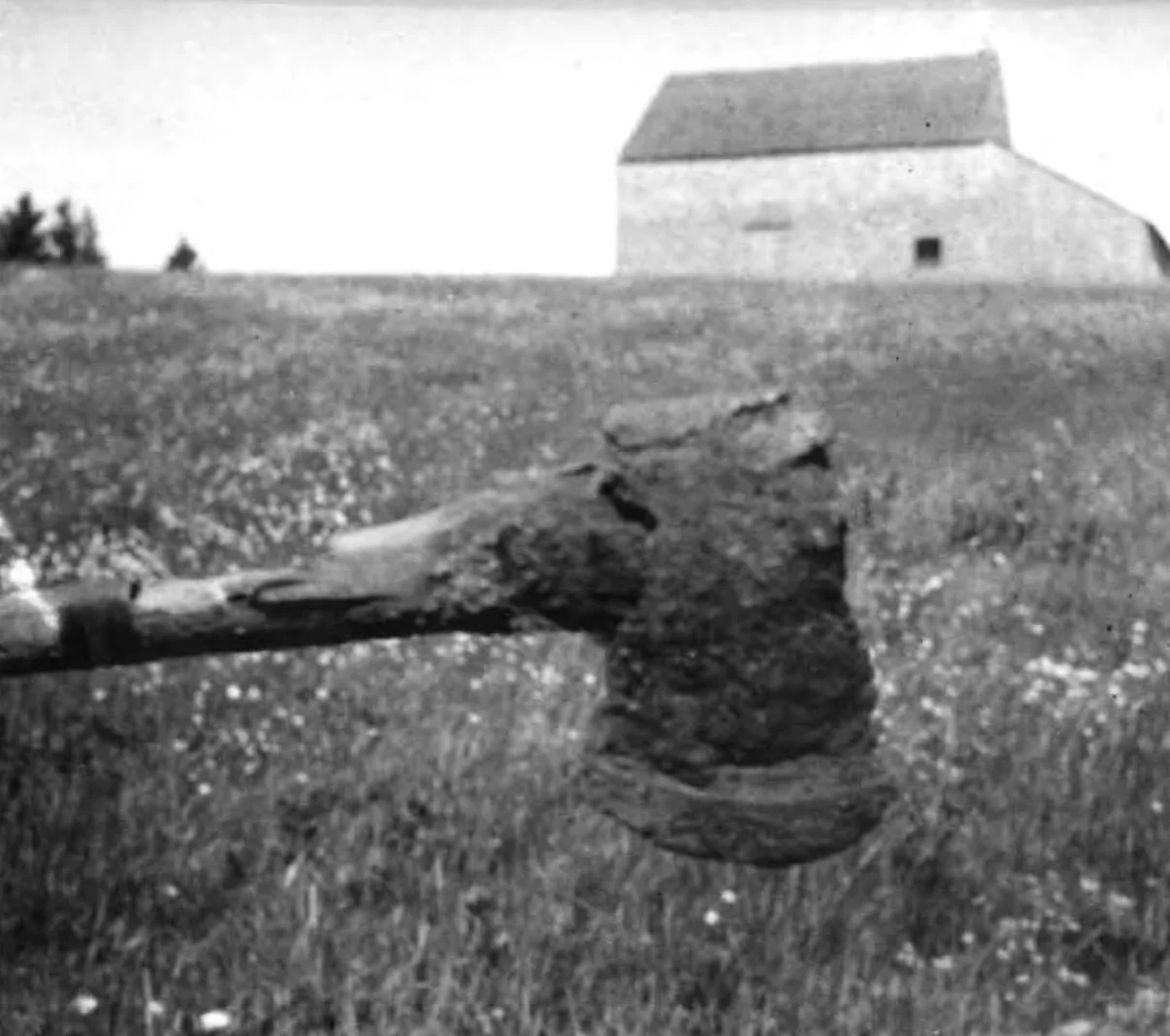 Felling Axe→
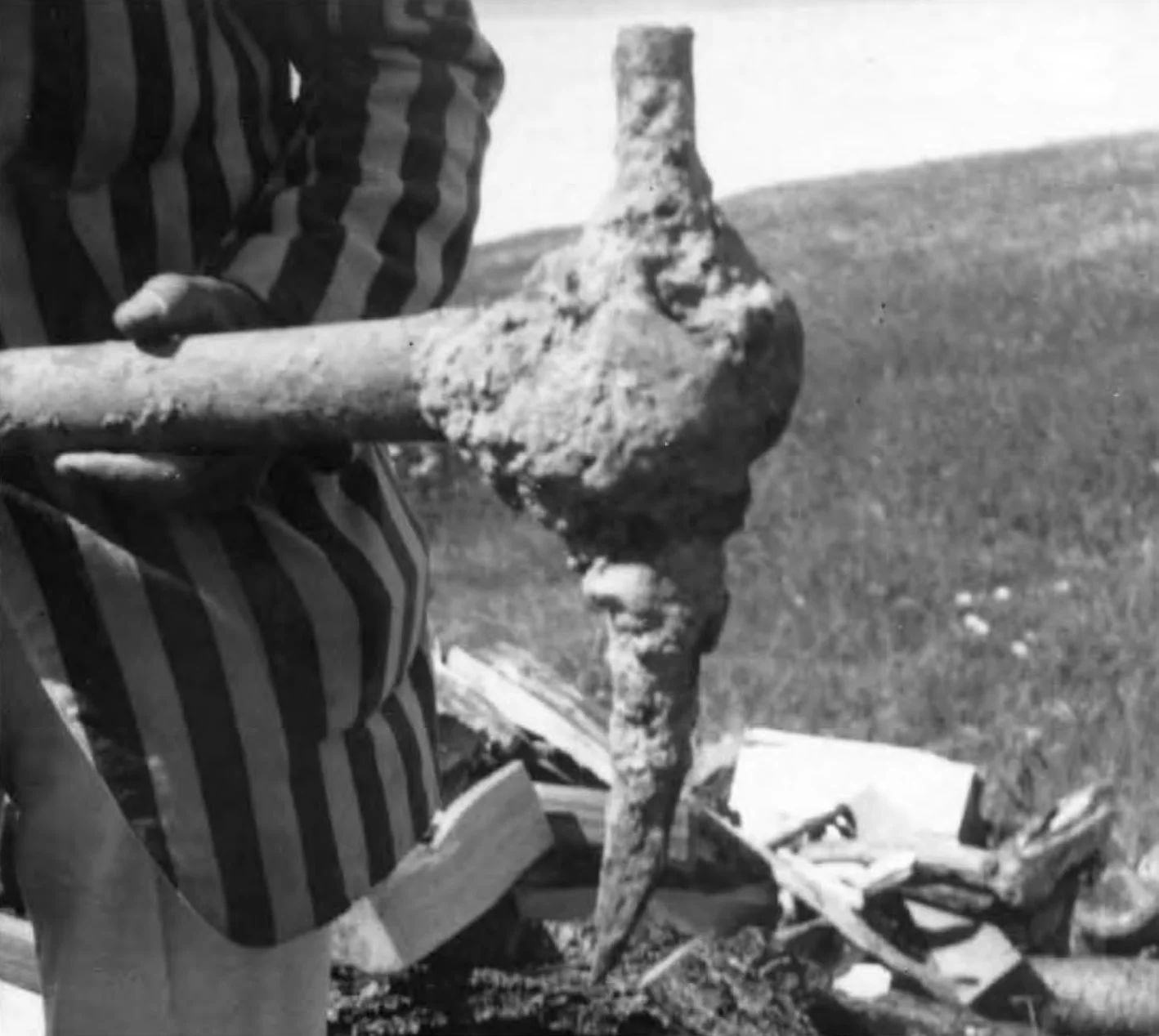 Cornish miner's pick→
Blair believed the axe and pick had belonged to earlier searchers and had fallen to those depths when the Money Pit collapsed in 1861. Harris and MacPhie, working from photographs taken after the finds, disagree. Before 1861 no searcher had dug below 93 feet, so both tools would have had to drop thirty to forty feet, and both were found standing upright and fully embedded in soft, disturbed ground rather than tumbled at random. They identify the pick as a poll pick of the type favored by Cornish tin miners and the axe as an Anglo-American felling axe of a pattern made from the early 1700s to about 1840, and conclude that both come from work done before 1795. They read the oak beneath the boulder as a lever or wedge used by the original diggers, who would have worked around a stone weighing five to six thousand pounds rather than removed it.
Deeper still, Blair recorded that the ground over half the shaft was badly disturbed, and that from 150 feet the crew began uncovering fragments of a stone that looked like cement and whose nature, as the British writer Rupert Furneaux later quoted him, no person on the site could identify. By 155 feet the fragments covered the whole disturbed area. Harris and MacPhie suggest they were gypsum or anhydrite, the soft, water-soluble rock that lies beneath the island's east end, either thrown up by a violent failure of the original workings or brought up by the first diggers and used as backfill.
The 1931 operation did not resume the following year. The commonly given reason is the Great Depression, but Melbourne Chappell told a different story. The real obstacle was the death of the landowner Sophia Sellers in January 1932 (Melbourne recalled spending a half day with her shortly after arriving on the island in May 1931). Her property passed to her heirs, approximately fifty in number, and they refused to allow Blair, who held the treasure trove license, to continue operations without what Melbourne described as "very substantial payments to each of them." His recollection was that the heirs demanded $5,000 apiece. The Chappell family could not meet that price, and operations stopped.
The Sole Owner
3 min
Melbourne Chappell was not directly involved in any search operations between 1931 and 1950. During that period, Hedden bought the island and excavated (1935-1937), Hamilton drilled and tunneled (1938-1943), and John Whitney Lewis briefly owned the property (1950). When Blair outmaneuvered Lewis by renewing his treasure trove license ahead of Lewis's own application, and the Nova Scotia legislature passed an amendment allowing the license holder to access property owned by others, Lewis found himself boxed out. He sold the land at cost to Melbourne Chappell.
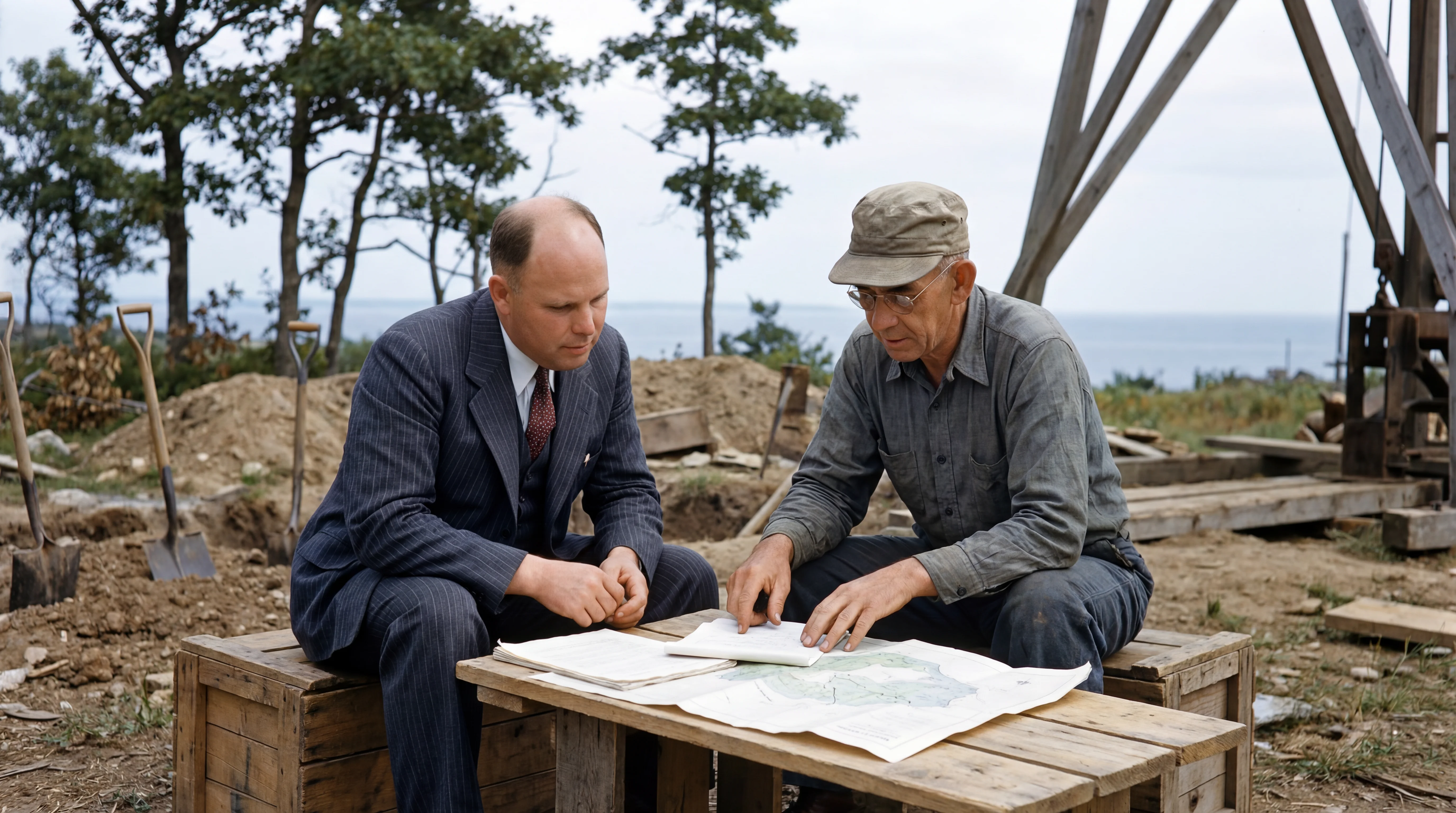 Gilbert Hedden and Edwin Hamilton: The Engineers Who Mapped the Oak Island Money Pit→
Shortly after Blair's death on April 1, 1951, Chappell acquired Blair's treasure trove license as well. For the first time in the history of the Oak Island search, both the land and the license belonged to a single person. Chappell held this position for more than two decades, controlling access to the island through a series of agreements with searchers who came and went while he remained.
In 1951, Chappell hired the Parker Contract Company to test the Money Pit area using what he described as gold-finding equipment. The Parker device indicated deposits of gold in two locations. Chappell had five holes drilled in each location, each going about fifty percent deeper than the equipment indicated. The operation cost him approximately $35,000 and produced no treasure. Whether the device was a legitimate instrument or something closer to a dowsing rod, Chappell did not say.
Chappell then leased the search to others. In the summer of 1955 a Texas oil-drilling syndicate led by George Greene spent four weeks on the island and put down a line of boreholes along the north side of the Chappell Shaft. The hole farthest from the shaft passed through eight inches of oak at 100 feet, a ten-foot void, more oak at 110 feet and then a cavity from 110 to 155 feet. Greene told reporters his crew poured 100,000 gallons of water into it and it ran out, he did not know where. In 1958 the brothers William and Victor Harmon, experienced in exploration drilling for gold mines in northern Ontario, drilled to 212 feet and brought up oak, spruce and coconut fiber from below 150 feet before their money ran out.
Through the 1950s and 1960s, Chappell managed the island from his construction office in Sydney, corresponding with Harris about legal matters and fielding approaches from prospective searchers. Robert Restall, who had been working on the island under an agreement with Chappell since 1959, wanted to buy it outright. The asking price was $100,000. Restall could not raise the funds, and the matter was dropped. In November 1961, Chappell wrote to Harris that "the last word I had from Mr. Restall was to the effect that he had uncovered some very interesting items. Just what they are or where they were uncovered, I am not aware." Less than four years later, Restall and three others were dead at the bottom of a shaft on the island.
Dunfield arrived in 1965 with heavy equipment and a plan to excavate the Money Pit area on a massive scale. He built a causeway to the island without obtaining permission from the provincial government, a fact that came to the attention of the authorities only when Fred Nolan, the surveyor who owned the island's central lots, reported it in 1973. Dunfield's work destroyed the stone triangle that the Chappells and Blair had observed in 1897 and 1931, along with much of the surface archaeology on the east end of the island.
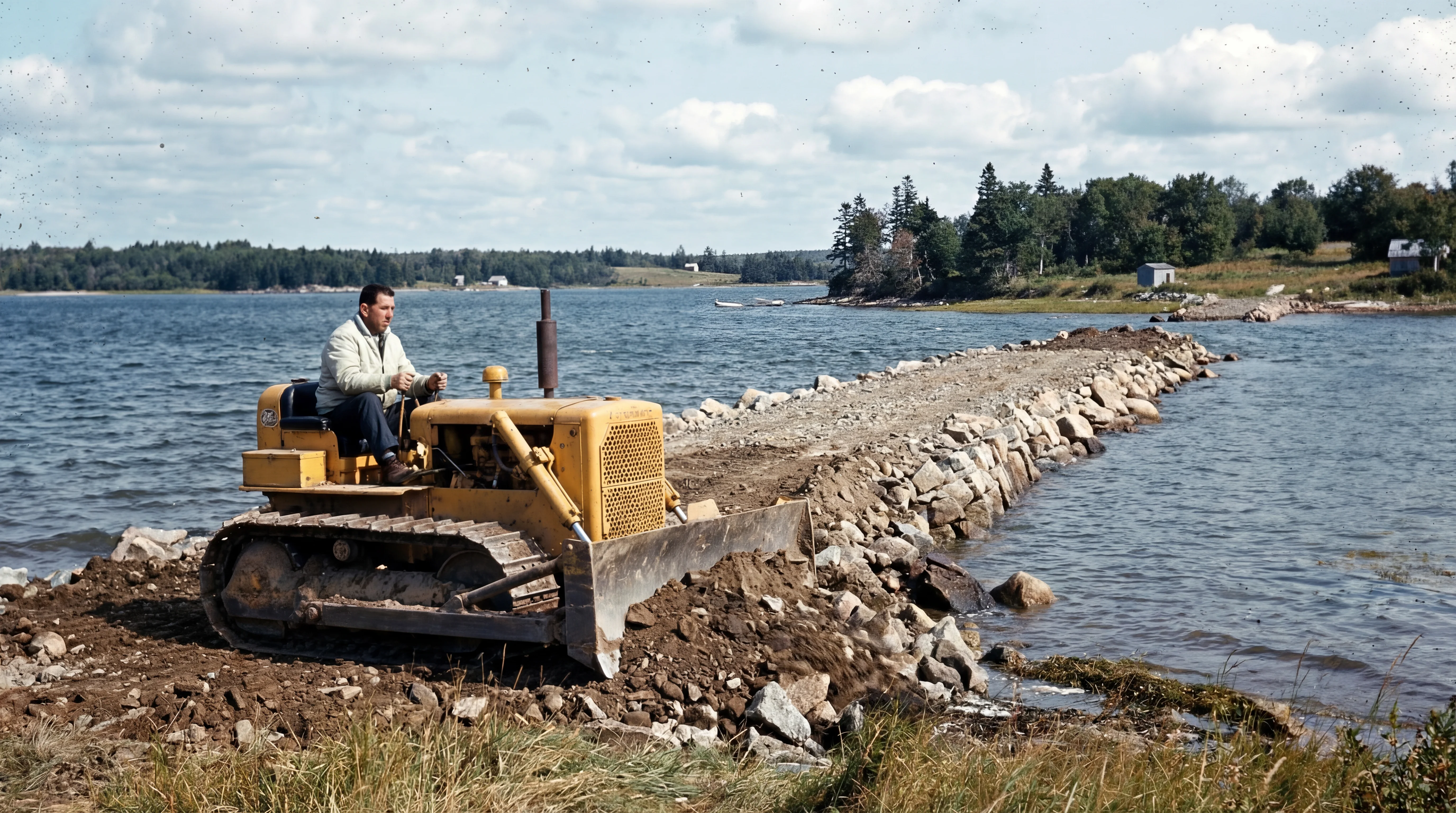 Robert Dunfield and the Destruction of Oak Island→
The Last Witness
2 min
In July 1976, D'Arcy O'Connor, a journalist who had moved to Mahone Bay to research a book on the treasure hunt, interviewed Melbourne Chappell at his office at Island Construction Co. in Sydney over the course of two days. Chappell was in his eighties. He had been connected to Oak Island for forty-five years, first as a participant in his father's expedition, then as the island's owner and gatekeeper. O'Connor would later describe him in a letter as "the most astute and clear-headed person I've spoken with or written to on the subject of Oak Island."
In the interview, Chappell provided details that appear nowhere else in the published record. He described Blair's big chest of Oak Island material, which had been in Blair's office at the time of his death and then disappeared: "We don't know where it went." Blair's son Gordon tried to locate it but was unsuccessful. Gordon had given two cabinet drawers of correspondence and four box files to Harris for his book. Harris, who was Grand Secretary of the Masonic Lodge in Halifax and used the lodge's office staff for his correspondence, never returned the material. When Harris died in 1968, a member of Harris's staff told Chappell at the funeral that Harris had instructed her to gather up any Masonic data and send it to the relevant lodges. The Oak Island material was presumably dispersed along with it, or lost.
Chappell himself had suffered a disastrous fire some years before the interview, in which he lost documents, pictures, maps, and plans connected to Oak Island. When O'Connor asked for photographs of William Chappell or Frederick Blair for his book, Chappell replied: "Sorry I do not have a photo of either Father or Mr. Blair."
The correspondence between O'Connor and Chappell continued through 1977 in a remarkable series of letters. O'Connor's questions, numbered and detailed, ran to twenty-four in his first letter alone, covering everything from the stone triangle to the Restall years to the Nolan land dispute. Chappell answered each one methodically. Among the details he provided: the three piles of stones noted by various searchers were located approximately six hundred feet northwest of the Money Pit. The boulder under which burned bones had supposedly been found was at the northern end of the bog, and no analysis of the bones was ever conducted. The first person he could recall advancing the theory that the Holy Grail was buried on Oak Island was Jane Blankenship, the wife of the treasure hunter Dan Blankenship. Nolan's claim to seven lots would, Chappell anticipated, have to be settled by the courts.
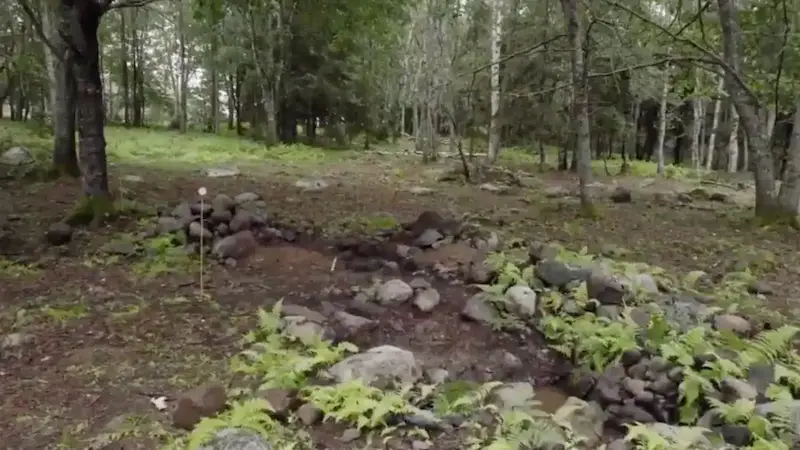 Stone Cairns→
 The Holy Grail on Oak Island?→
On March 25, 1977, O'Connor wrote to ask whether Chappell would read the manuscript of his book before publication. "I have been in contact with several hundred persons during the course of researching and writing this book," O'Connor wrote, "and I consider you the most astute and clear-headed person I've spoken with or written to on the subject of Oak Island." He added: "Everything that's stated as fact in the book comes from original research, personal interviews and correspondence. And anything that is fanciful or hypothetical or even plain untrue comes from quoted or attributed sources."
The Vault Endures
2 min
Melbourne Chappell eventually sold his interest in Oak Island to David Tobias, who had been involved with the Triton Alliance since the early 1970s. Chappell's five-year agreement with Triton, renewed in 1977, gave the alliance operating rights while Chappell retained ownership and the treasure trove license. The transfer of ownership came later, and by the time Rick and Marty Lagina purchased their share of Oak Island Tours from Tobias in 2006, the Chappell family's direct involvement had ended.
What had not ended was the search for the structure William Chappell's drill bit had passed through in 1897. The Chappell Vault remains the fixed point around which the modern treasure hunt revolves. Every major borehole drilled during the television era, from the Hedden Shaft remnants at 170 feet to the caissons sunk in Seasons 4, 6, 9, 11, 12, and 13, has been aimed at the same target: a seven-foot wooden structure sealed in cement at approximately 153 feet, containing what the drill operator from Sydney believed was gold.
The vault has never been seen. No camera has photographed it. No human hand has touched it. Its dimensions, its contents, and its precise location are all inferred from a single drilling operation conducted in 1897 and a sworn affidavit signed thirty-two years later. The Lagina team has found wood, metal, and cement-like material at consistent depths, and the show's narration treats the vault as an established feature of the underground geology. Whether it is a discrete structure waiting to be opened or a zone of disturbed material left behind by 130 years of overlapping excavations is a question that remains open.
William Chappell died believing the vault was real and that he had been within reach of it. His son Melbourne spent fifty years managing the island and its searchers, watching one expedition after another try and fail to reach the same depth his father had probed with a drill bit. When O'Connor asked Melbourne in 1977 whether his father had been involved in any expedition between the Treasure Company era and 1931, Melbourne's answer was definitive: "Father (William Chappell) certainly did not have any connection with a search expedition in 1922 or at any other time until 1931." William had waited thirty-four years to go back.
Sources
1 min
Primary documents (Nova Scotia Archives, MG1 Vol. 381-384):
- William Chappell, sworn affidavit, October 25, 1929. Describes the 1897 drilling results at 153 feet.
- Frederick L. Blair, account of the 1897 drilling, written 1900 (MG1 Vol. 383).
- Interview with M.R. Chappell, July 20-21, 1976, Sydney, N.S. (conducted by D'Arcy O'Connor). Covers Blair's disappeared chest, the anchor fluke, the fate of Blair's papers, and Chappell's fire.
- M.R. Chappell to R.V. Harris, six letters, 1936-1961 (MG1 Vol. 382-383). Including the February 1953 review of Harris's book manuscript and the November 1961 report on Restall's finds.
- D'Arcy O'Connor to M.R. Chappell, and M.R. Chappell to D'Arcy O'Connor, approximately 20 letters, January-December 1977. Covering the stone triangle, the 1931 shaft, the Stevens cave-in, the Sellers heirs, the Parker Contract Company, the Restall sale offer, Dunfield's causeway, the Nolan dispute, and the Holy Grail theory. Additional correspondence June-August 1976 and 1978-1979.
Books:
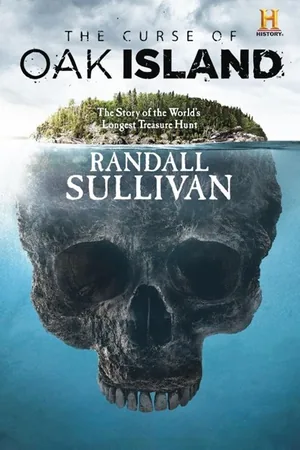
- Randall Sullivan, The Curse of Oak Island: The Story of the World's Longest Treasure Hunt (Atlantic Monthly Press, 2018). Chapters 7-8 and 13 cover William Chappell's 1897 drilling, the 1931 shaft, and Melbourne Chappell's acquisition of the land and license.
- Mark Finnan, Oak Island Secrets (Formac Publishing, 1995; revised edition 2002). Chapter 6 covers the Treasure Company drilling and the vault discovery.
- R.V. Harris, The Oak Island Mystery (Ryerson Press, 1958; revised edition 1967). Written with direct access to Blair's archive and reviewed in manuscript by Melbourne Chappell (as documented in the February 17, 1953 letter).
- Graham Harris and Les MacPhie, Oak Island and Its Lost Treasure (Formac Publishing, third edition 2013). The 1897 cement analysis, the 1931 finds and their interpretation, the shaft's position, the Greene and Harmon drilling.
- Rupert Furneaux, Money Pit: The Mystery of Oak Island (Fontana, 1976; first published 1972). Blair's account of the stone fragments at 150 to 155 feet.
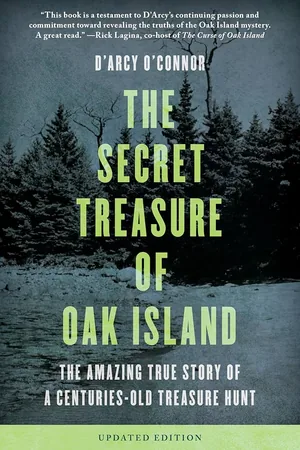
- D'Arcy O'Connor, The Secret Treasure of Oak Island (Lyons Press, 1978; revised as The Big Dig, 1988; further revised 2004). Written with Melbourne Chappell as primary source, drawing on the interview and correspondence documented above.