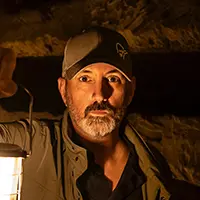
The first time Marty Lagina was alone at the Money Pit after the sun had gone down, he lasted ten minutes. He is, by his own steady insistence, a sceptic on these matters, a Michigan engineer whose patience for ghost stories runs short. Ten minutes was enough. He heard, in the trees behind him, a shriek that he later described to Randall Sullivan as blood-curdling, and he ran. He has not been back alone after dark. "First, I don't believe in any of this stuff," he told Sullivan. "But I was there not even ten minutes when I heard this blood-curdling shriek, and I admit it, I was terrified. I got out of there as fast as I could."
That admission, made by the most level-headed man on the island, is a useful place to begin. The ghosts of Oak Island do not announce themselves. They do not deliver tidy spectacles for the camera. They arrive in the corner of a sound engineer's microphone feed, in the periphery of a child's afternoon at the shore, in the smell of smoke from a fire that nobody else has lit. They have been doing this since the eighteen-fifties. The accounts that follow are drawn from the documented record: from the testimony of people who lived on the island, from the recollections of those who worked it, and from the books that have, over the past century, tried to take the measure of a place that resists the measuring.
The Black Dog with Eyes of Fire
2 min
Of all the things people claim to have seen on Oak Island, the most often reported is the dog. Randall Sullivan, in his 2018 book on the search, calls it "a big black dog with fiery-red eyes." It is described as larger than it should be, silent more often than not, and inclined to vanish before the witness can convince a companion to come and look. It is not a local animal. There are no records of a feral dog colony in Mahone Bay. The descriptions, gathered across nearly two centuries, are too consistent for that.
 Mahone Bay: History of the Waters That Hold Oak Island→
What the descriptions are consistent with, Lionel and Patricia Fanthorpe pointed out in their 1995 book on the mystery, is a much older European tradition of ghostly hounds. The classical ancestor is Cerberus, the three-headed dog who guarded the entrance to the underworld in Roman mythology and who, Brewer's Dictionary of Phrase and Fable suggests, was a literary memory of the trained dogs that ancient Egyptians used to guard their tombs. The English iterations are Black Shuck, the spectral hound of the Norfolk coast who is said to walk between the graves of two drowned brothers, and the Black Dog of Bungay, described in the parish record as the size of a pony with eyes like live coals, which broke into the church on a Sunday in 1577 and savaged the congregation. The Wild Hunt of Germanic and French folklore, led by Herne the Hunter in the English variant, was accompanied by a similar pack.
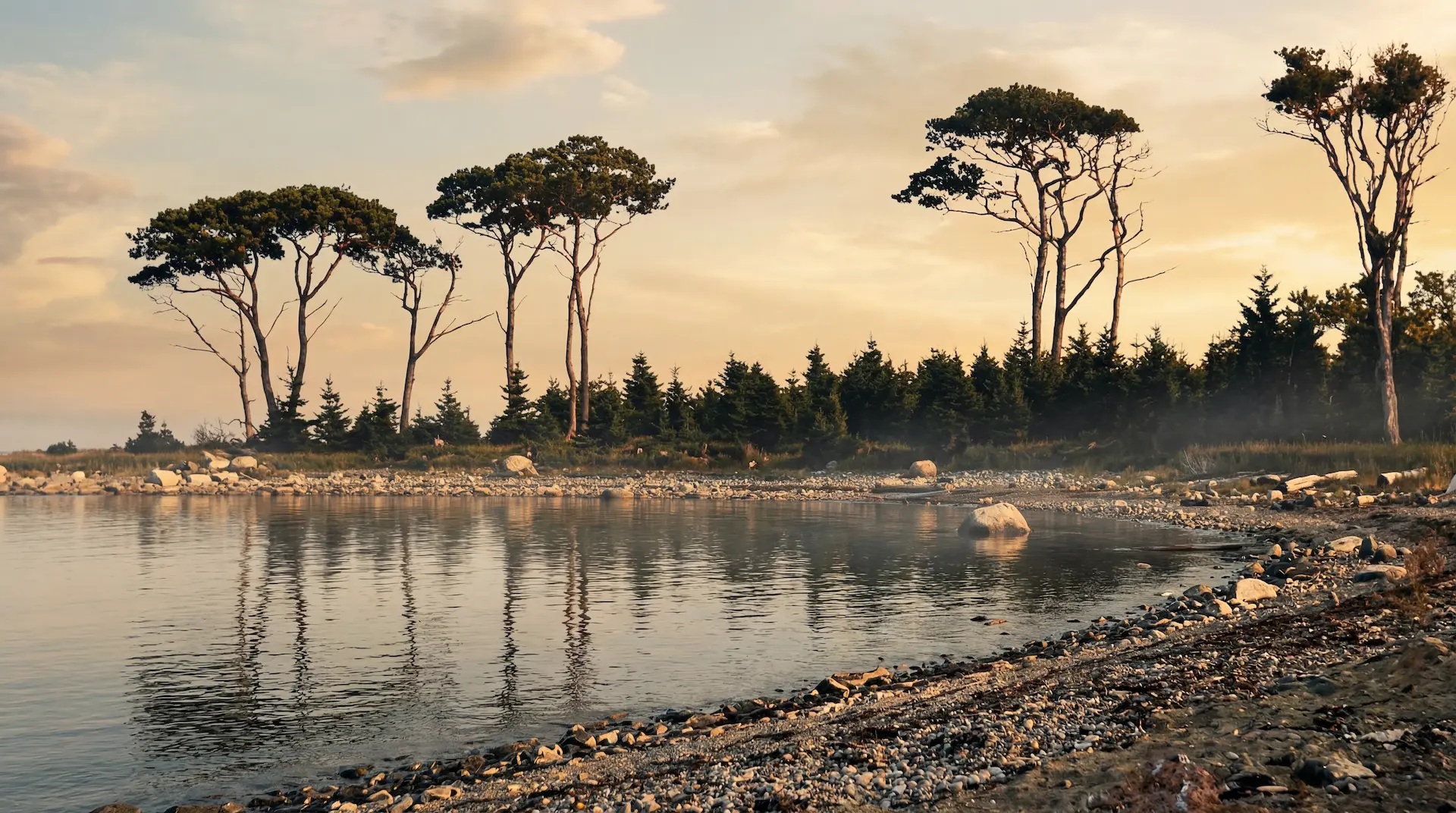
The Fanthorpes are careful in their phrasing. They do not claim the Oak Island dog and the Bungay dog are the same animal. They observe, more cautiously, that if there is a medieval European connection to the island then it would not be surprising for the medieval European folklore of guardian hounds to have travelled across the ocean with it. Herne was associated with oak trees. The ancient Druids were associated with oak trees. The island is named for them.
 Oak Island Mystery Trees→
The Stranger on the Shore
1 min
One evening in the eighteen-fifties, William Graves was out in his boat off the south shore of Oak Island, spearing lobster in the last of the light. He was the son of Anthony Graves, the Irish settler who had bought most of the island in 1857 and who, in his later years, was rumoured to have made purchases on the mainland with Spanish silver coins of dubious provenance.
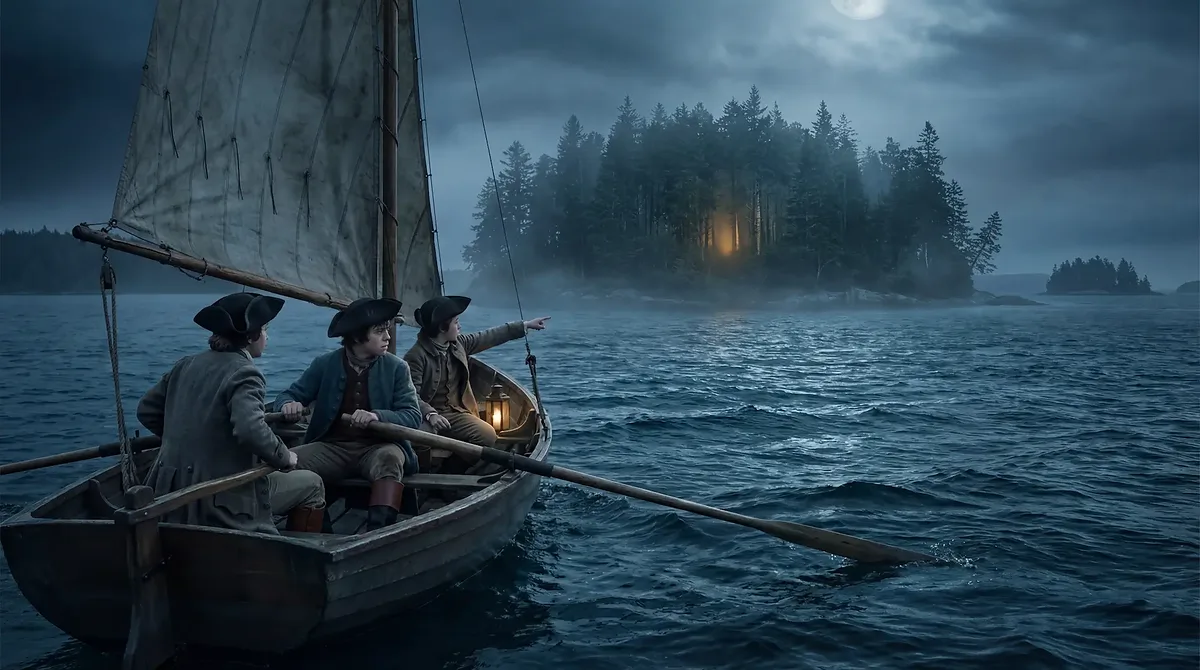
William, that evening, was hailed from the shoreline. Sullivan recounts the moment from the deathbed account that William gave decades later. A man with a long white beard was standing on the rocks. "Come here," he called out across the water, "and I will give you all the gold you can carry." William, by his own admission, did not row toward the stranger. He rowed for home. He did not look back. He did not return to that part of the shore for the rest of his life, and he told the story only when there was nothing left to keep him from telling it.
The account is preserved because someone wrote it down. There is no way now to verify what William Graves saw, or whether the white-bearded man was a hallucination, a flesh-and-blood vagrant trying his luck with a fisherman, or something else. What is preserved, instead, is the shape of the encounter: an offer of the very thing that two and a half centuries of searchers have come to the island to find, made on terms that the man receiving the offer recognised as not safe to accept.
The Soldiers at Smith's Cove
1 min
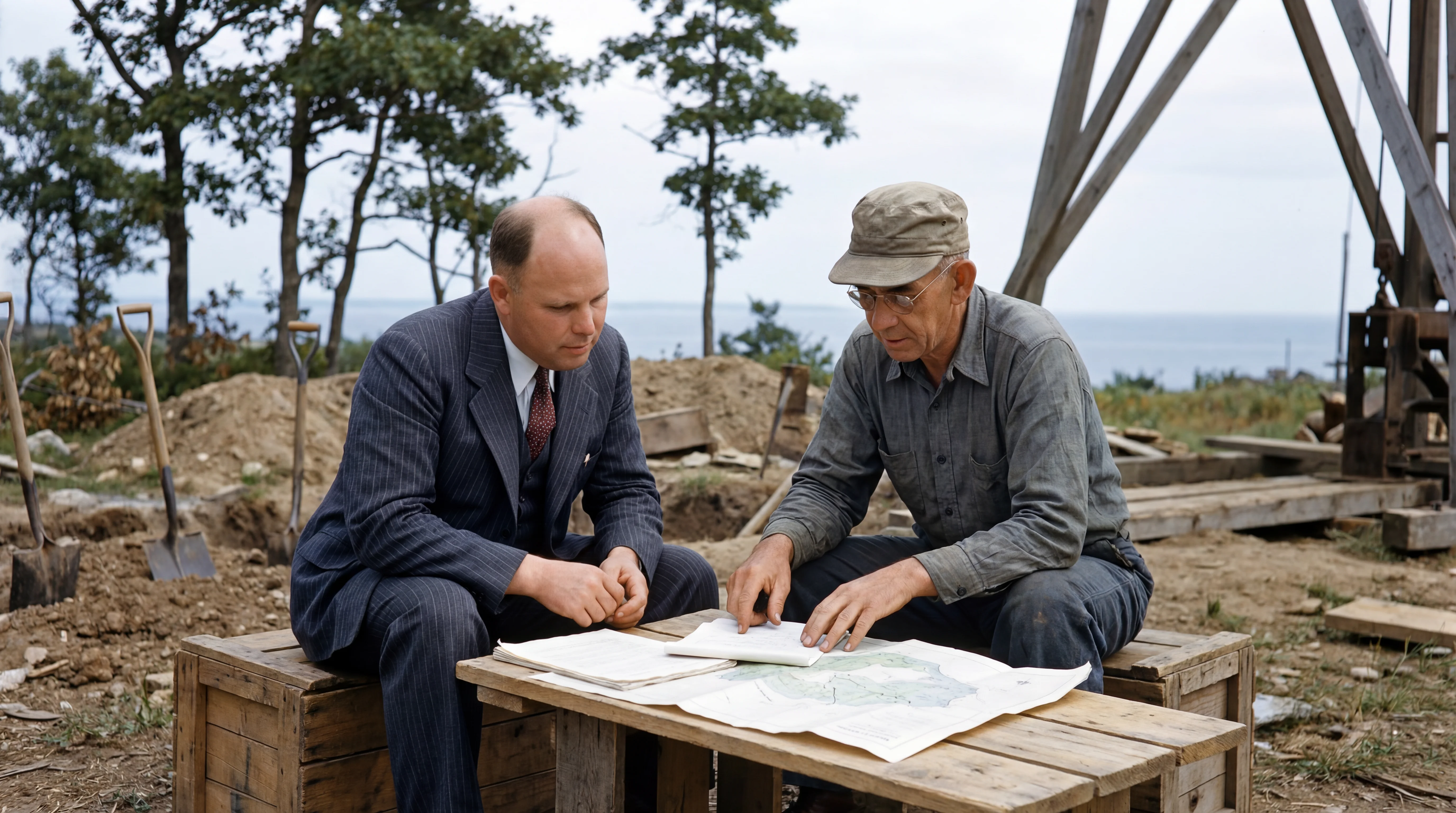
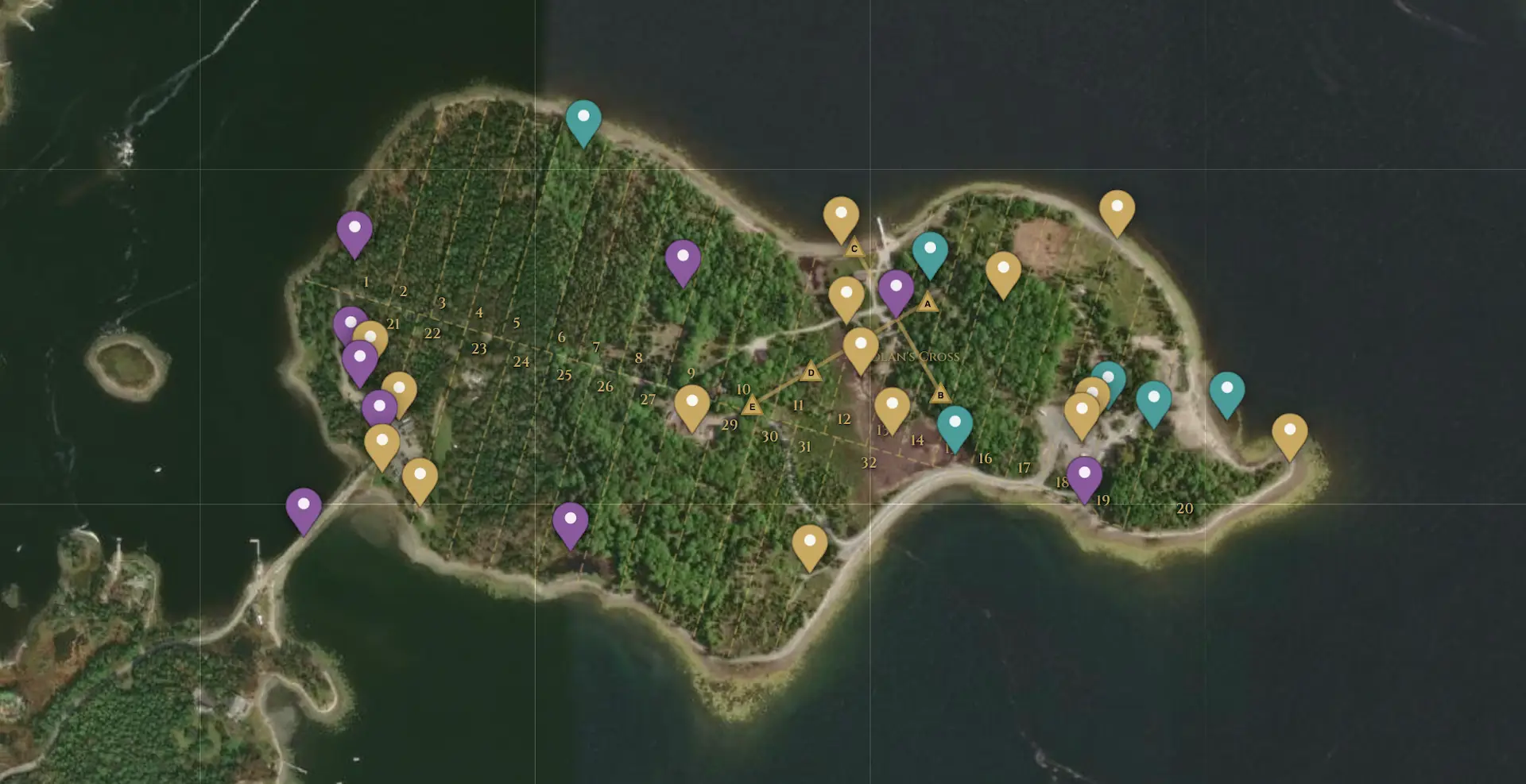
Peggy Adams was five years old in the winter of 1940. Her father, Jack Adams, was the caretaker of the island for Edwin Hamilton, the Wisconsin engineer who had taken over the search rights after the Restalls. The Adams family lived in a modest house on the knoll southeast of the Money Pit, the foundation of which is still visible to anyone who walks the path.
 Gilbert Hedden and Edwin Hamilton: The Engineers Who Mapped the Oak Island Money Pit→
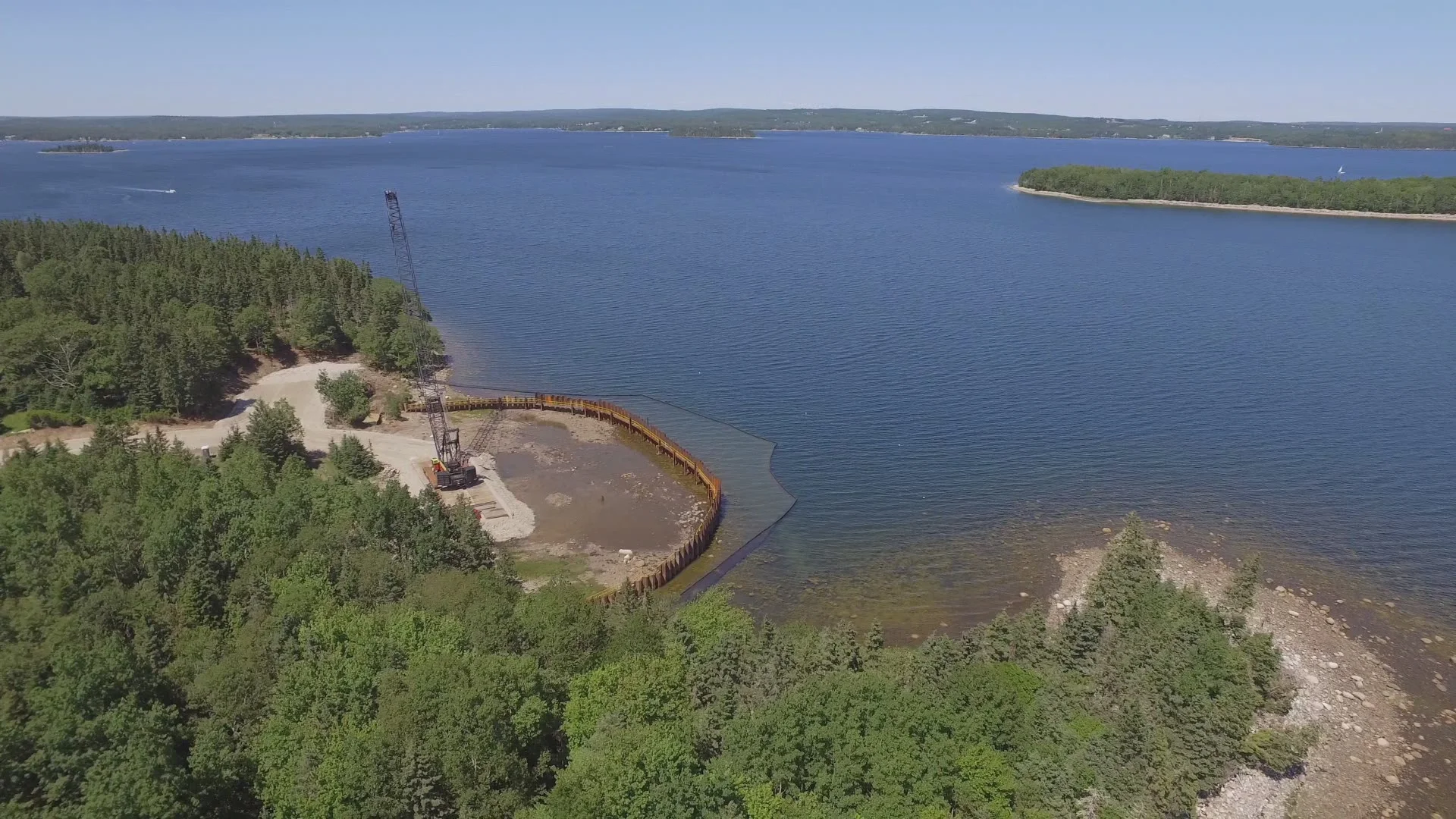
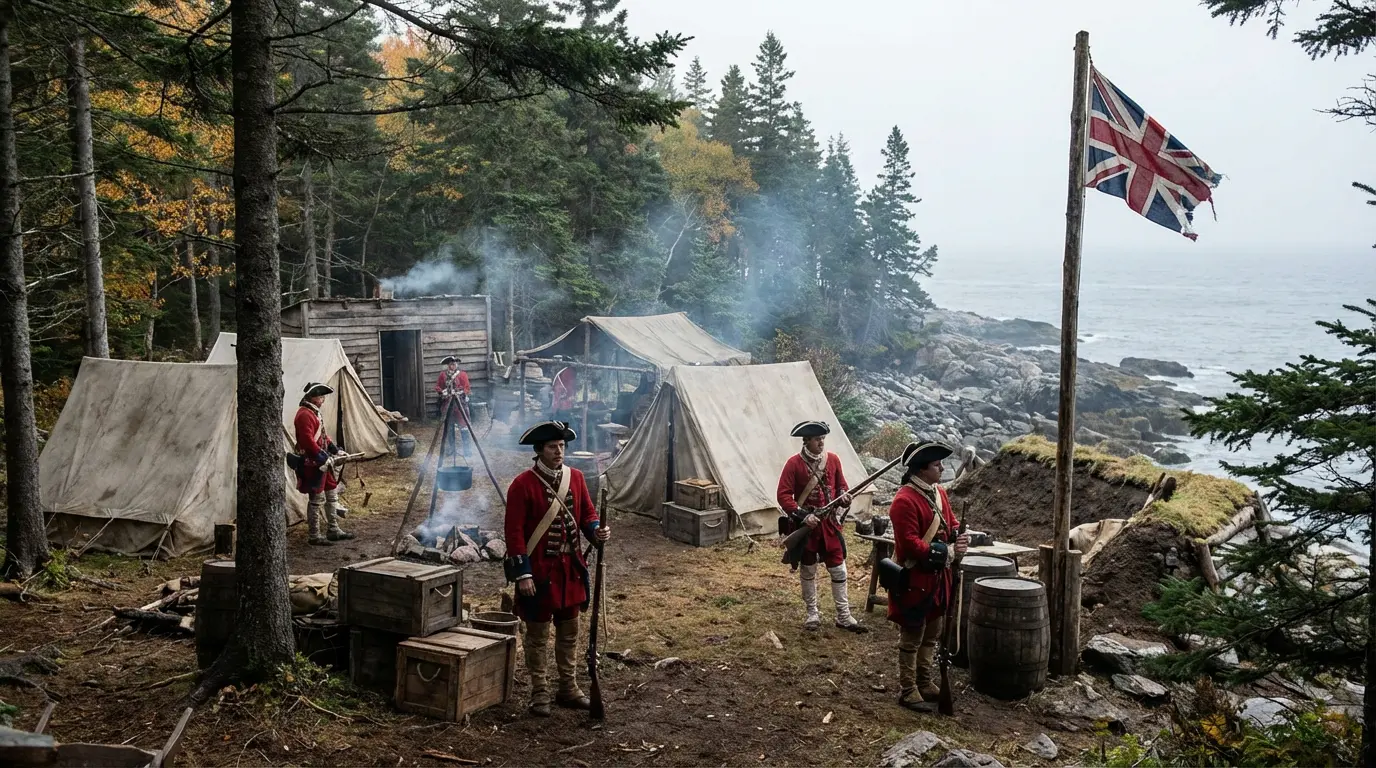
Peggy came running back from Smith's Cove that afternoon in tears. She told her father that there had been three big men down at the cove. One of them had dark skin. The others were dressed in red jackets and pants with broad yellow stripes down the legs. They had been sitting on the timbers of the old wharf, which by 1940 was a half-rotted relic of someone else's century. Jack Adams went out to the cove with the snow still fresh on the ground. There were no tracks. No men. No sign of anything having been there at all.
 Smith's Cove→
Peggy never let go of the story. Years later, in her seventies, she was visiting the Citadel Museum in Halifax with her family, and she stopped in front of a display of British military uniforms from the seventeen-hundreds. They were the men she had seen at the cove. Red jackets. Yellow striped pants. She said so out loud. Her brother George Adams, who was in his eighties when he met the writer Joy Steele on Oak Island in 2010, told her the story exactly as Peggy had told it for seventy years, exactly as Peggy still told it. The uniforms in the museum were two hundred years older than the little girl who described them.
 The Secret British Military Bank→
The Fire That Wasn't There
1 min
Sullivan writes that the last person he expected to tell him a ghost story was Dave Blankenship, the laconic son of the late Dan Blankenship who had carried his father's share of the burden of the search for half a century. Dave is not given to flights of fancy. One afternoon, out of the blue, he told Sullivan about the day he and a couple of men who were visiting the island had seen flames rising over the treetops on the east end. They had taken it for a wildfire. They had hurried over with the urgency of men who had spent enough summers on a small wooded island to know what a brush fire could do, and when they reached the place where the flames had been, there was nothing. No fire. No scorched ground. No smoke. No heat. Nothing at all.
"I saw a fire," Dave Blankenship told Sullivan. "Nobody can tell me I didn't. But there was no fire. Damnedest thing."
 Dan Blankenship and Borehole 10-X→
The Watcher Near 10X
2 min
Becky Parsons was an Englishwoman, a camera operator who had worked two summers on the History Channel show before Sullivan tracked her down in 2016 and asked her what she had experienced on the island. She had not gone looking for the paranormal. She had a father who was a student of the piracy era and who had filled her childhood with stories about Oak Island, but she had arrived for work with no particular expectation of seeing anything. What she found, on her first walk into the wooded area just past the 10X borehole, was a place that made her feel watched.
 Borehole 10-X→
One afternoon she was filming B-roll, the secondary footage that documentary crews use to cover edits. She was walking with the viewfinder up, letting the camera drift her toward the edge of the trees on the left of 10X. She had the strong sensation of someone behind her. She put the camera down to speak to her assistant. There was no one there. There was, however, a depression in the ground directly behind her that she had not noticed when she walked in.
Some weeks later, a psychic visited the island for the show. After dark, the psychic invited her on what Becky called a ghost walk, and she went, carrying an instrument that was supposed to register what the psychic called energy. She walked, by her own admission with some curiosity, back to the spot near 10X. The needle on the instrument went off the scale. "It was a sensation, like something is entering my body," she told Sullivan. "It happened very, very strongly, and I'm looking at the needle and it's still off the charts. I just sort of pushed it away, the energy that was trying to enter me. I didn't feel the presence of evil, didn't feel any danger, I just didn't want it to come any closer to me."
The psychic, from the clearing behind her, started screaming. When Becky came back out of the woods, the woman told her that she had watched a black mass follow her in among the trees.
Later that same evening, in the séance that followed, Becky reported a figure that built itself up in front of her from the legs upward, "in this transparent light kind of way," and a date in the seventeen-hundreds that she knew without being told was connected to the thing in the woods. She wrote the date on a slip of paper and tucked it into a teacup in the cupboard of the Blankenship kitchen. Sullivan later asked Dan Henskee to look for it. He could not find it.
The Guardian of the Pit
2 min
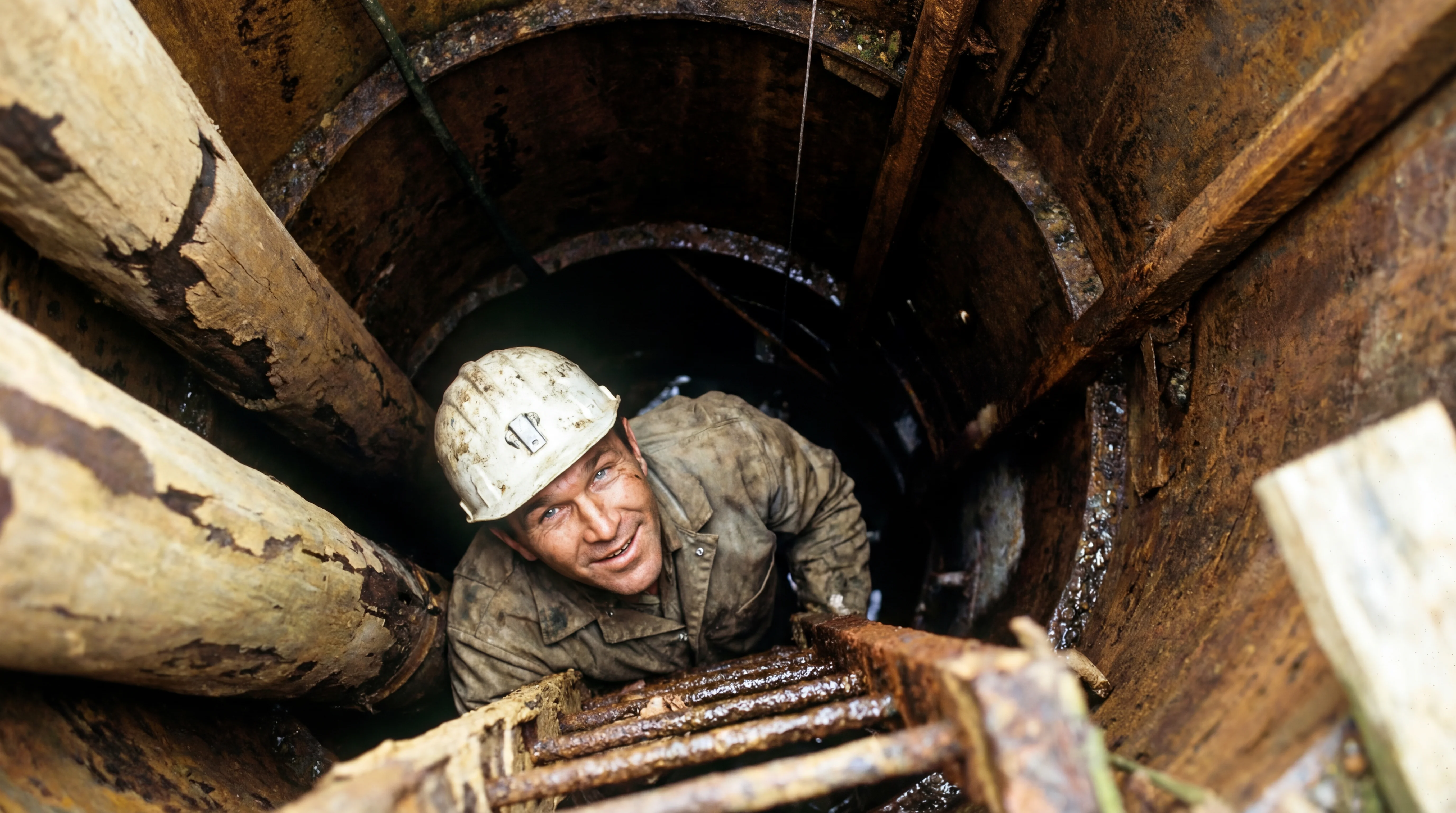
In 1973, Dan Henskee was working on the 10-X shaft. He has never been a man given to embellishment. He told the team, years later and on camera, that he had felt the spirit of a dead priest, a man whose throat had been cut, enter his body while he worked. He did not present this as metaphor. He presented it as something that had happened to him at a particular place on a particular day, and he had carried the memory of it for forty years before he said so out loud.
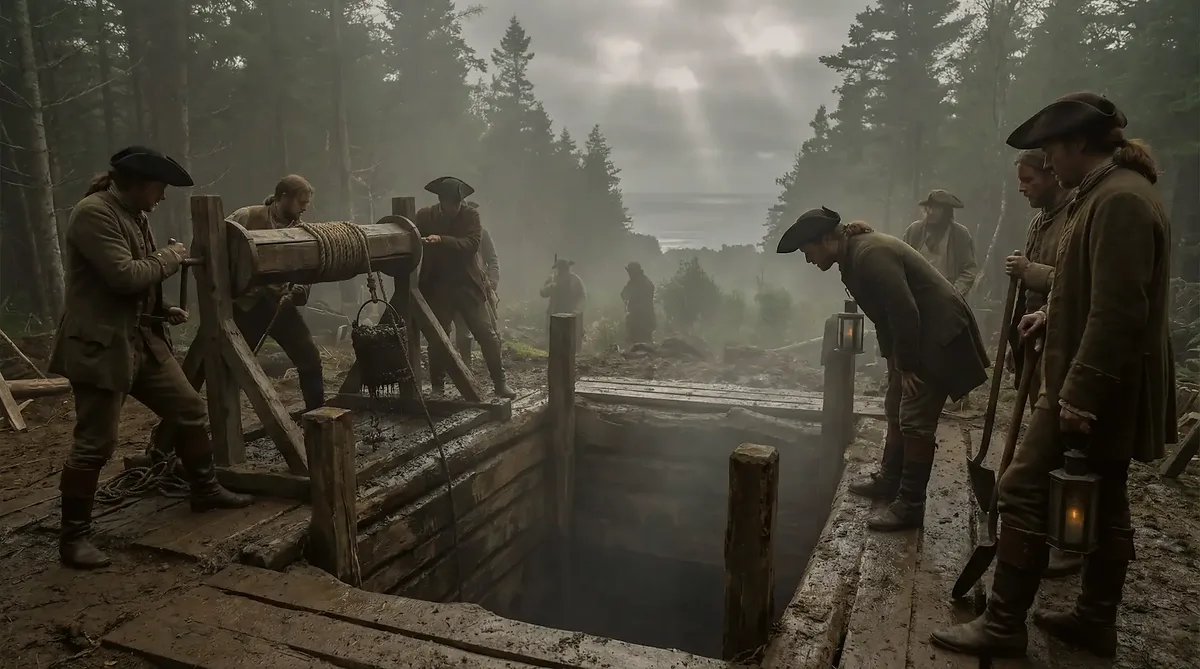
The legend that frames what Henskee claimed to have experienced is older than the search itself. It holds that one of the men who buried the treasure was killed and buried with it, so that his spirit would remain on the island and guard the cache against anyone who came looking. Variants of the legend identify the man as a slave, brought to the island and dispatched once the work was finished, his body thrown into the shaft on top of the chest. Other variants identify him as a priest. Whether Henskee had heard the priest version of the story before his 1973 encounter on 10-X is not recorded.
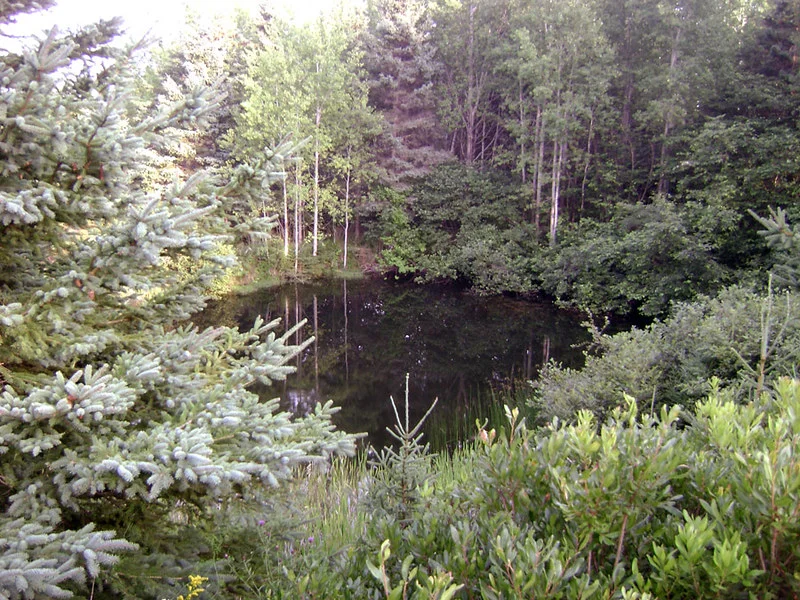
The legend was already in print by the eighteen-sixties. In 1868, E. H. Owen wrote an essay for a Lunenburg newspaper recounting a local belief that the treasure could be retrieved by anyone willing to throw a baby into the Money Pit. The detail is unsettling enough that one wants to dismiss it as Victorian provincial cruelty, but it is preserved in a printed essay by a named author in a named newspaper four years after Confederation. It belongs to the documentary record of what people in Mahone Bay said about Oak Island in the decade after the Cave-In Pit opened up under Sophia Sellars's ox in 1878.
 A History of Lunenburg County→
 Cave-in Pit→
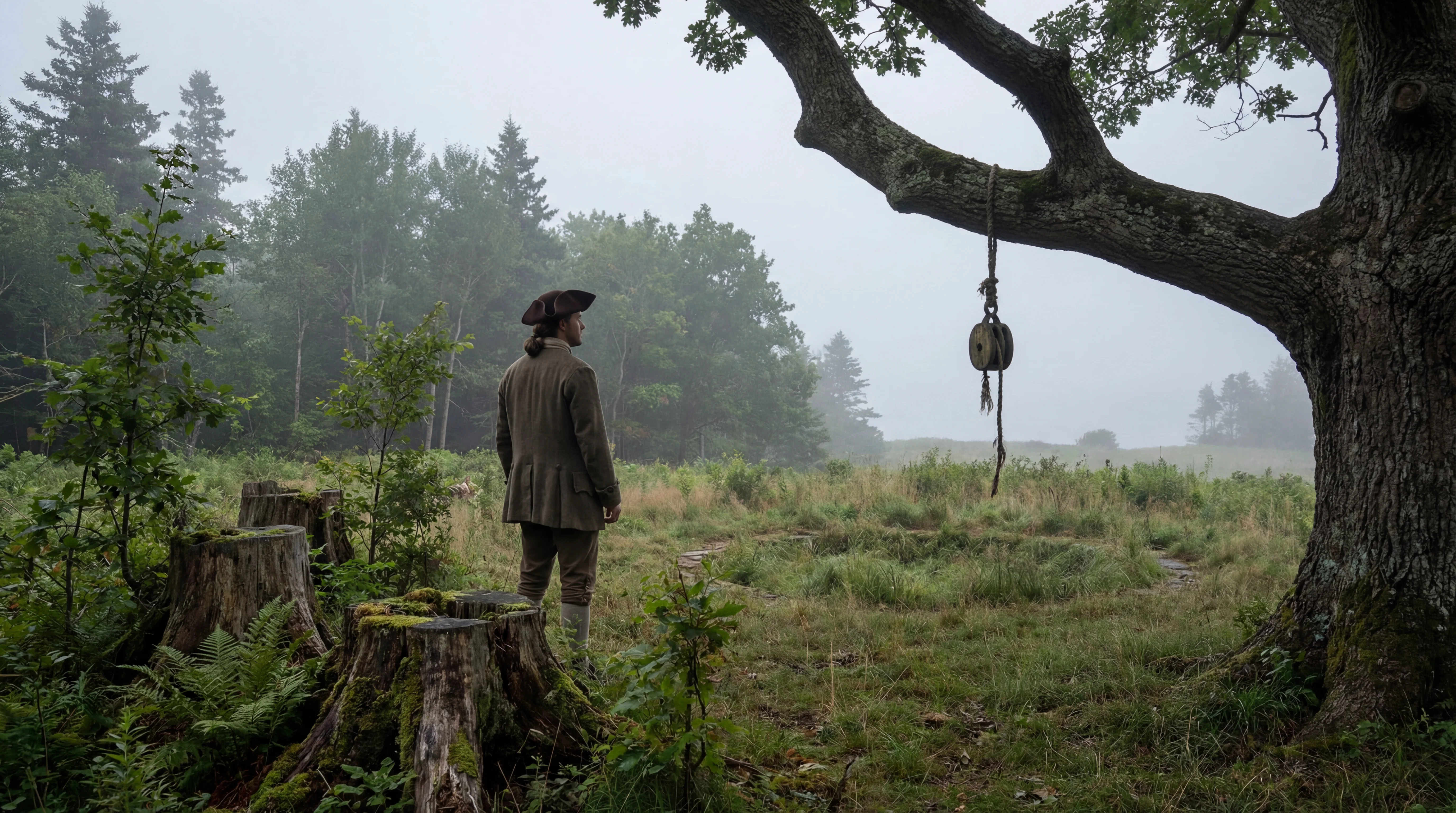
D'Arcy O'Connor, the Canadian journalist who has spent more than fifty years covering the search, recorded a comment from an elderly descendant of Anthony Vaughan, one of the three boys who found the depression in 1795. The descendant refused to set foot on the island. "Weird as it may sound," he told O'Connor, "I've seen people there. But not solid people. Ghosts. I've seen them from my property, from when I was a boy right up till now."
 The Real Daniel McGinnis of Oak Island→
The Mouth of Hell
1 min
Dan Henskee moved onto the island in 1982. He was Dan Blankenship's full-time assistant, a man comfortable in his own company who had taken to living in a small shack positioned almost directly above the Money Pit. He spent thirteen years there before the night, in 1995, when something happened that he was never willing afterward to explain in detail.
Joy Steele, who recorded the account in her 2018 book with Gordon Fader, reports that Henskee experienced a vision so terrifying that he stripped off his clothes, ran from the shack, and threw himself into the channel between the island and the mainland. He swam to shore in the cold of a Nova Scotia night and arrived on the far side naked and shaken. Steele asked him later what he had seen. He told her he had seen the Money Pit transformed into the mouth of hell, spewing, in his words, "demons and such" from the depths below. He offered nothing further. Dan Blankenship, when D'Arcy O'Connor asked him about it, said only that Dan Henskee had paid a hell of a price for being involved with Oak Island, "because he saw what I know is still down there in those tunnels."
The Failures of Machinery
1 min
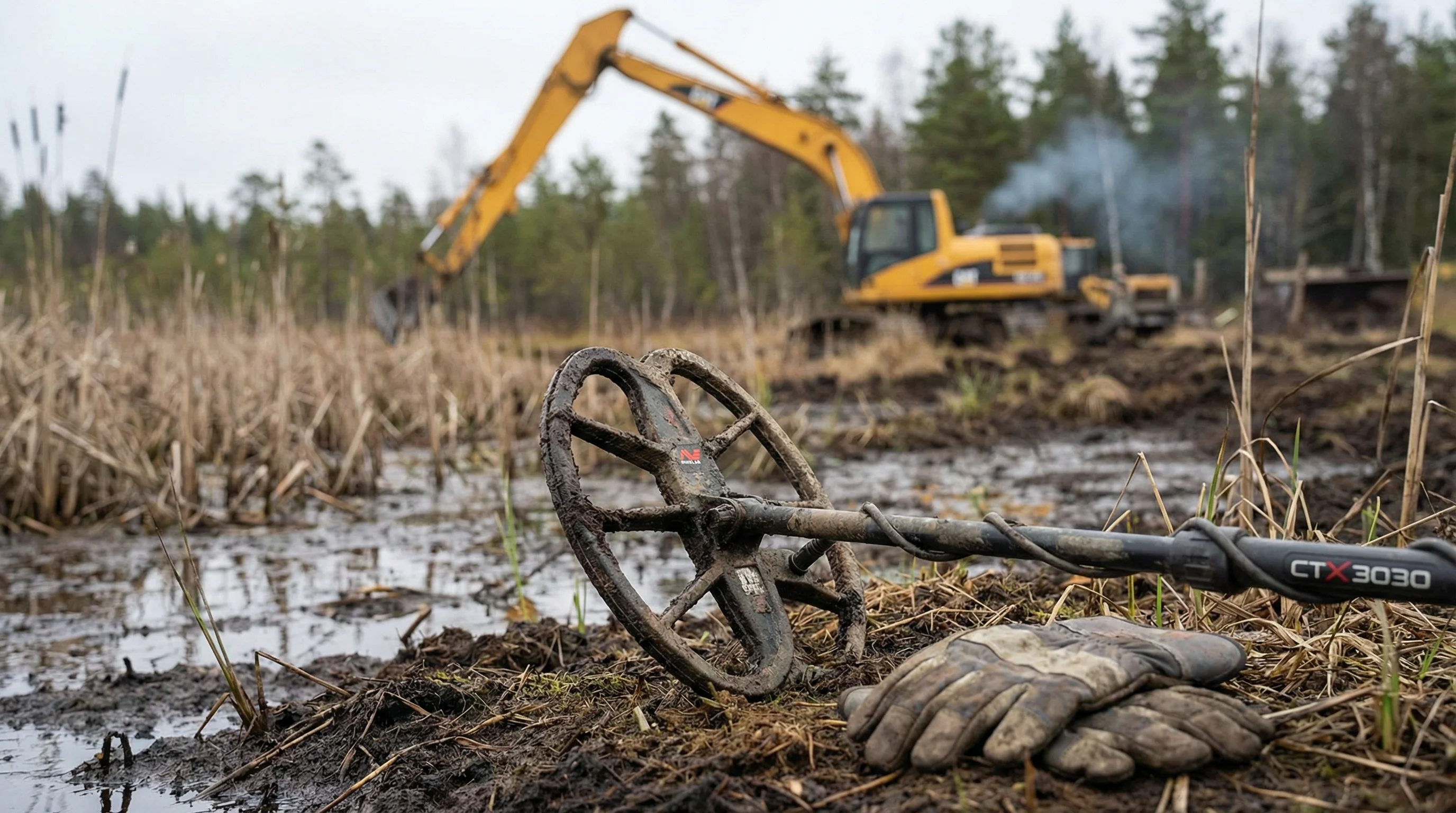
The mundane companion to the spectral stories is the long-running history of equipment that does not work properly on Oak Island. The sound recordists working on the History Channel show have, since the first season, reported that their microphones cut in and out at certain locations on the island, principally in the eastern corner of the swamp and around 10X. The pattern is reliable enough that the crew long ago stopped commenting on it. Something breaks, something disappears, a battery dies in a tool that had been freshly charged that morning, and the response is a shrug and the same single word: "Oak Island."
Marty Lagina, asked about it by Sullivan, was unwilling to attribute it to anything beyond statistics, but the statistics were not in his favour. "It happens so much more often here than anyplace else I've ever been that it's not even close," he admitted. He suggested, half in earnest, a magnetic survey of the island to see whether some unusual geological condition was draining the batteries. The survey was never carried out.
 Equipment and Technology on Oak Island→
The Investigators in the Swamp
1 min
In the first season of the show, before the team drained the swamp for the first time, Rick and Marty invited a small group of paranormal investigators to walk the island after dark. The investigators carried K2 electromagnetic field meters, instruments that detect disturbances in the local electrical field. In the swamp, the meters registered repeated hits. One of the investigators, identified on camera as Linda, presented a photograph taken near the 10-X shaft in which what appeared to be a skull-like image hung in the foliage. Several members of the team admitted on camera that they had felt watched the entire time they were in the swamp. No definitive explanation was offered, and no follow-up investigation was ever conducted. The footage aired on 19 January 2014 as the third episode of the first season, the first and only time the show has invited an explicit paranormal investigation onto the island.
 The Oak Island Swamp→
An Atmosphere of Watching
1 min
None of these accounts, taken alone, would persuade anyone determined to dismiss them. The black dog could be a feral mongrel that nobody managed to photograph. The white-bearded man could have been a drifter on the rocks. Peggy Adams could have been a five-year-old with a vivid imagination who later, at the Halifax museum, retro-fitted her memory to the uniforms she found there. Dave Blankenship's fire could have been a trick of the late summer light through the trees. Becky Parsons's encounter could have been the suggestible response of a sensitive woman walking in the woods at dusk with a psychic. The equipment failures could be coincidence. Dan Henskee, alone in a shack above a shaft that had consumed six lives, could have suffered a private breakdown.
Taken together, they form something else: a hundred and seventy years of consistent testimony from people who, in almost every case, had nothing to gain by speaking and a fair amount to lose. The Anthony Vaughan descendant who told D'Arcy O'Connor that he had been seeing ghosts on the island since boyhood was not a tourist. He was a man who lived in sight of the place his ancestor had stumbled upon in 1795 and who had decided, at some point early in his life, never to cross the causeway. He had his reasons. He kept them brief.
Whatever it is that people experience on Oak Island, it has been experienced steadily, by witnesses of varying credibility and from varying backgrounds, since the lobstermen of the eighteen-fifties. It does not require a believer to record it. It only requires a witness, and the willingness to write down what the witness said.
Sources
1 min
Primary literary and documentary record
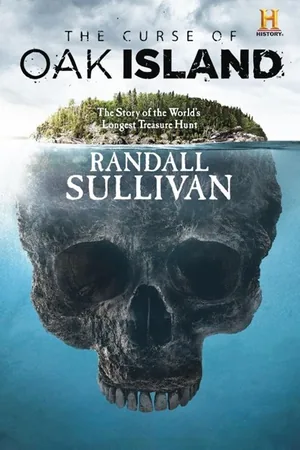
- Randall Sullivan, The Curse of Oak Island: The Story of the World's Longest Treasure Hunt, Atlantic Monthly Press, 2018. Chapter on the supernatural reportage of the island, including direct interviews with Marty Lagina, Dave Blankenship, and Becky Parsons.
- Joy A. Steele and Gordon Fader, Oak Island Mystery Solved, second edition, Formac Publishing, 2018. Contains the Peggy Adams account as related by George Adams in 2010, and the Dan Henskee 1995 account.
- Lionel Fanthorpe and Patricia Fanthorpe, The Oak Island Mystery: The Secret of the World's Greatest Treasure Hunt, Dundurn Press, 1995. Section on the black dog and the European ghostly hound tradition.
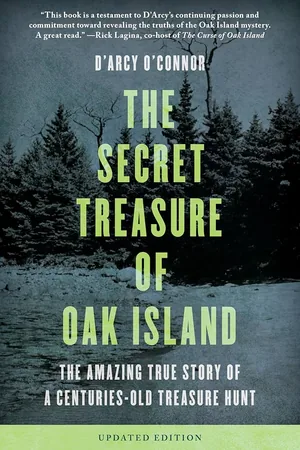
- D'Arcy O'Connor, The Secret Treasure of Oak Island, multiple editions through 2004. Original reportage including the Anthony Vaughan descendant interview and the Dan Blankenship quotation on Dan Henskee.
- Steve Vernon, Haunted Harbours: Ghost Stories from Old Nova Scotia, Nimbus Publishing, 2006. Comparative material on Nova Scotia black-dog folklore, including the Antigonish account.
- Mark Finnan, Oak Island Secrets, Formac Publishing, 1995 reissue. Chapter on the psychic involvement in the search, including the John Wicks 1931 automatic-writing session attended by Frederick Blair and Melbourne Chappell, and the 1976 Texas psychic team.
Newspaper and archival sources
- E. H. Owen, essay published in a Lunenburg newspaper, 1868. Earliest known printed reference to the Money Pit guardian legend.
Comparative folklore references
- E. Cobham Brewer, Dictionary of Phrase and Fable, multiple editions from 1870. Cerberus and the Egyptian guard-dog hypothesis.
- Parish records of Bungay, Suffolk, on the Black Dog of Bungay, 4 August 1577. Contemporary account preserved in church annals.