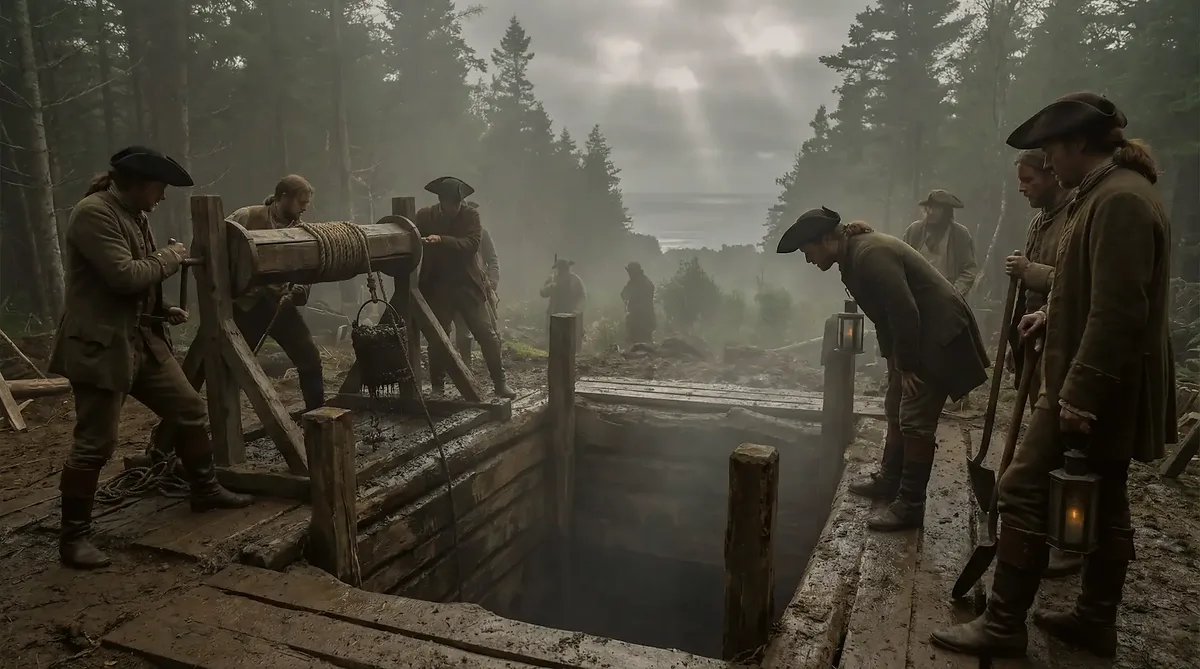
Two hundred feet beneath the Money Pit on Oak Island, the ground stops behaving like ground. Drills that have chewed through glacial clay and hard rock suddenly fall, sometimes eight feet, sometimes forty, into a grey slurry that will not hold a core. A coin dropped from the surface turned up ten feet sideways two years later. Dye poured in at the bottom rises again a hundred feet higher. The team on Oak Island calls this place the solution channel, and after more than two centuries of digging, it has become the target of the whole search.
Stone That Melts in Seawater
1 min
The eastern end of Oak Island is a drumlin, a long hill of glacial till left behind by the ice. Beneath roughly 160 feet of that till lies bedrock, and under the Money Pit the bedrock is not granite or slate but anhydrite and gypsum, soft rocks laid down by an ancient sea some 300 million years ago.
Anhydrite has an unusual habit. It drinks water. As it does, it turns into gypsum and swells, by as much as about 63 percent of its volume, cracking and shearing the rock around it. It also dissolves, and it dissolves faster in salt water than in fresh. Graham Harris and Les MacPhie, the two geotechnical engineers who spent decades studying the Money Pit's records, note that anhydrite is renowned among tunnel builders for causing trouble: engineering projects have failed in it, with water pouring through the passages that form along its fractures.
Those passages have a name. In the glossary of their book, Harris and MacPhie define a solution channel as "a continuous pipelike feature within water-soluble rock that has been formed by percolating water." Water finds a crack, widens it, carries away what it dissolves, and slowly hollows out a path. Under the Money Pit, that path has now been drilled more times than anyone can easily count.
Ancient Karst, or a Wound Made by Pumps
1 min
Everyone who has studied the rock agrees the channels are there. Where they disagree is when they formed, and that difference shapes everything else.
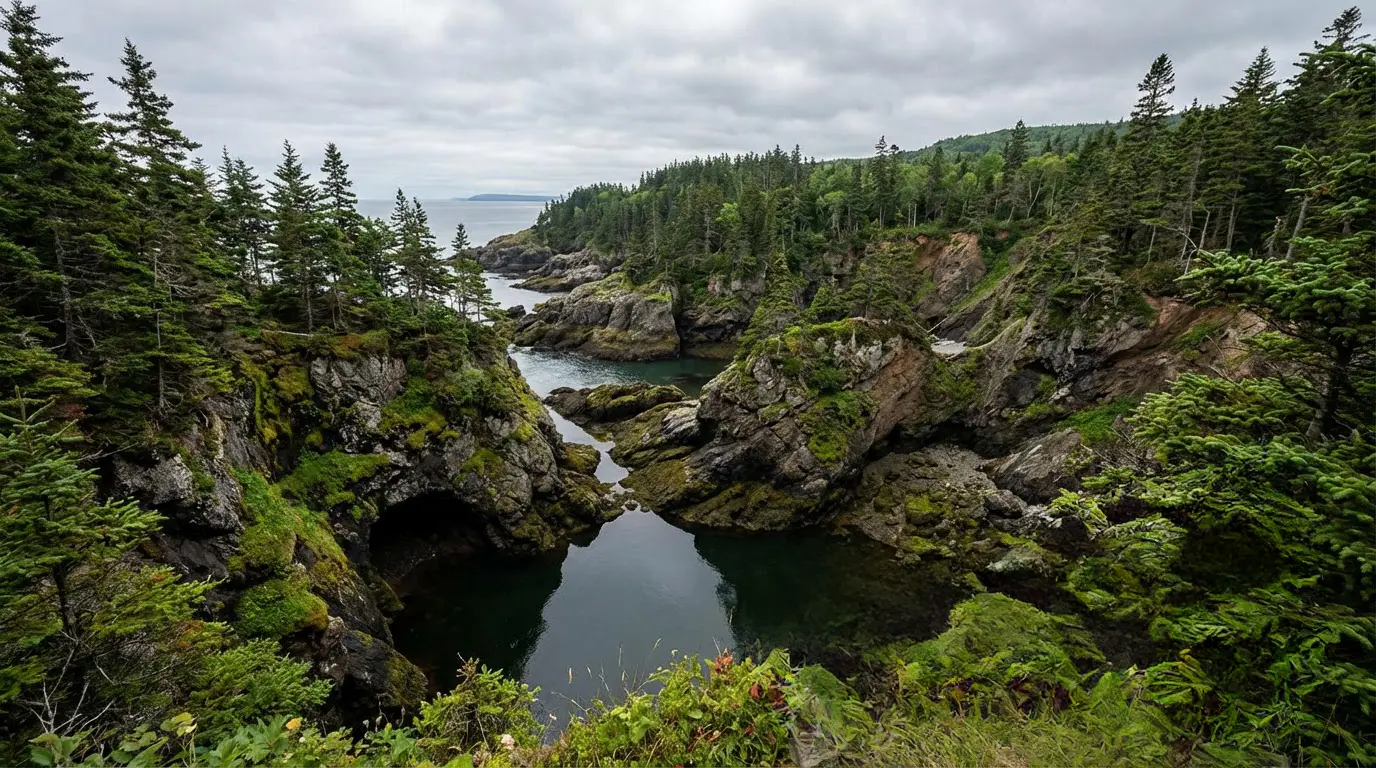
Gordon Fader, a marine geologist, and his co-author Joy A. Steele see a natural system at work for twelve thousand years, since the glaciers retreated. Across Nova Scotia, the same soluble rock has produced sinkholes that swallow fields and, in places, whole drumlins. To Fader and Steele, water coursing through "channels, caverns, streams, fractures and other natural open structures" in the bedrock explains the cavities, the flooding and much of the material found at depth. They go further and state that no deep workings could have been built in such ground at all, and they read the nearby Cave-In Pit as an active sinkhole.
Harris and MacPhie tell a different story. In their view the bedrock under the island was riddled with cavities that had filled with soil long ago and were sealed under the weight of the ice. Nothing much moved through them until people arrived and started pumping. Every bucket bailed and every pump run after 1795 pulled water through the anhydrite, dissolving it and washing the soil out of those old pockets. The voids later drills fell into, in this reading, were opened by the search itself. The same process, they argue, connected the Money Pit to the South Shore by water rather than by a second flood tunnel, and they point to dye tests in 1941, ice holes recorded in 1987 and small sinkholes on the seabed off the South Shore as evidence.
Their reconstruction carries one more idea. If the original diggers reached bedrock and found soil-filled cavities waiting for them, the engineers suggest, they may simply have cleared them out and used them as ready-made chambers. It is a possibility, offered as one, and it would place the deepest part of the original work right where the channel now runs.
 The Natural Formation Theory→
Wood, Blue Clay and a Drop Into Nothing
1 min
Long before anyone used the phrase, drills were finding the channel. In 1967, the Becker drilling program sank dozens of holes around the Money Pit and met bedrock at about 160 feet, measured from ground that the bulldozers of treasure hunter Robert Dunfield had already lowered by some twelve feet two years earlier. The rock was mostly anhydrite with seams of gypsum. About thirty to forty feet into it, the drills hit the same strange sequence again and again: several inches of wood, a thin band of blue clay, more wood, and then nothing. The bit dropped six to eight feet through open space before it struck rock once more.
Wood brought up from those depths was carbon dated, according to the program's backer David Tobias, to around 1575, give or take 85 years. Pieces of china, cement, charcoal and metal came up too. For the men drilling, this looked like timbered chambers. For a geologist, a cavity in anhydrite is the most natural thing in the world. The rock itself does not say which.
Harris and MacPhie also looked back at the Oak Island Treasure Company, which in 1897 blamed the water that kept flooding its shafts on a second, deeper flood tunnel. No such tunnel was ever found. The engineers suggest the water was coming up through solution channels in the bedrock all along.
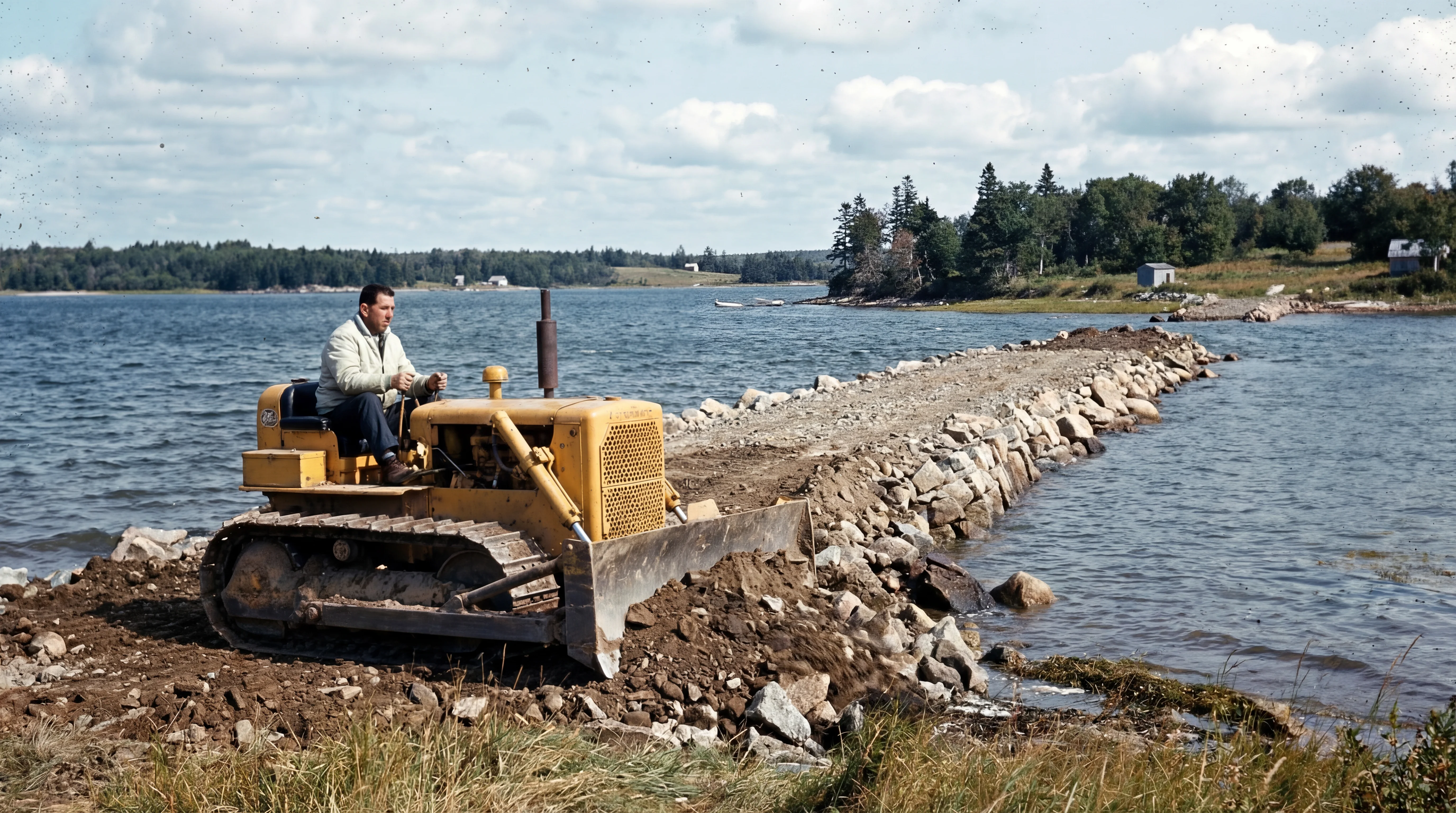 Robert Dunfield and the Destruction of Oak Island→
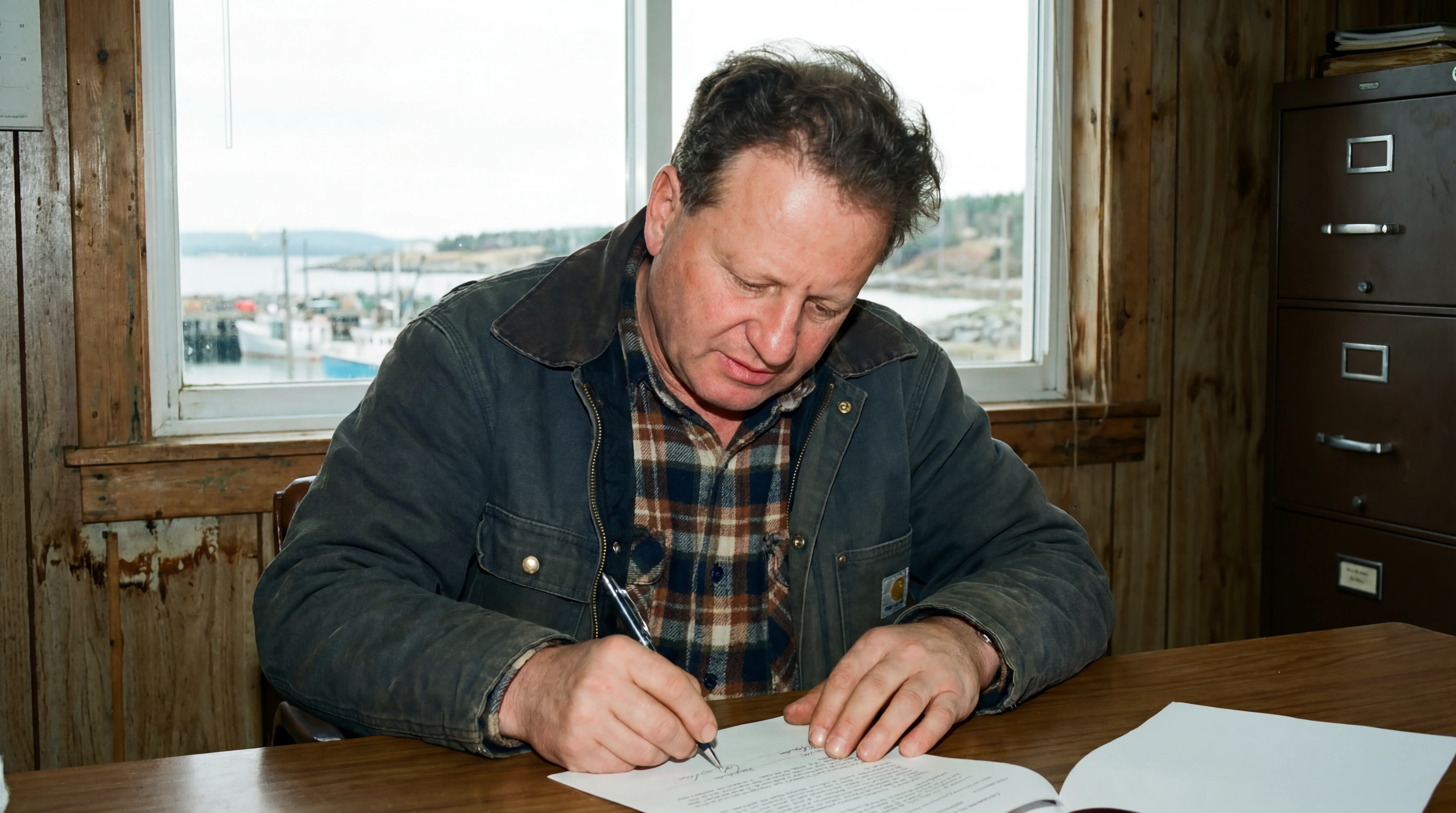 David Tobias: The Business of Oak Island→
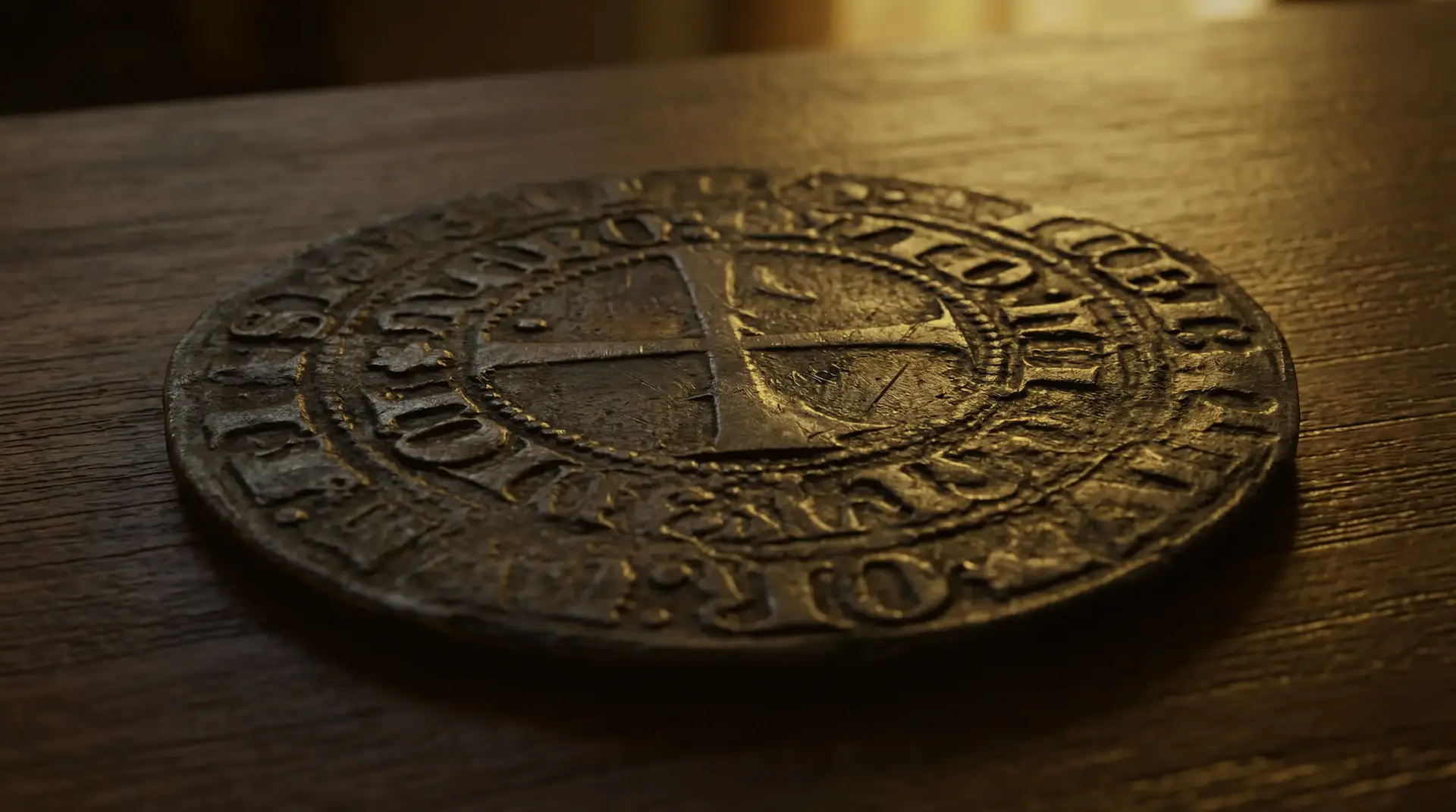
A Coin Down H-8
1 min
The first hard sign that things travel through the channel came from a two-dollar coin. Marty Lagina, who leads the modern search with his brother Rick, once dropped a Canadian toonie down the H-8 borehole to see where it would go. Two years later it came back up in the spoils of a different shaft, RF-1, from more than 200 feet down and about ten feet to the side of where it had started.
Months later, a drill near the Money Pit passed through 28 feet of loose material between 179 and 207 feet. Terry Matheson, the team's geologist, called it the closest thing to a true open void they had met. Surrounded by dense rock, a zone like that is a place where something heavy, gold or silver many times denser than the slurry around it, could keep sinking long after it was lost.
The Day TB-1 Gave Way
1 min
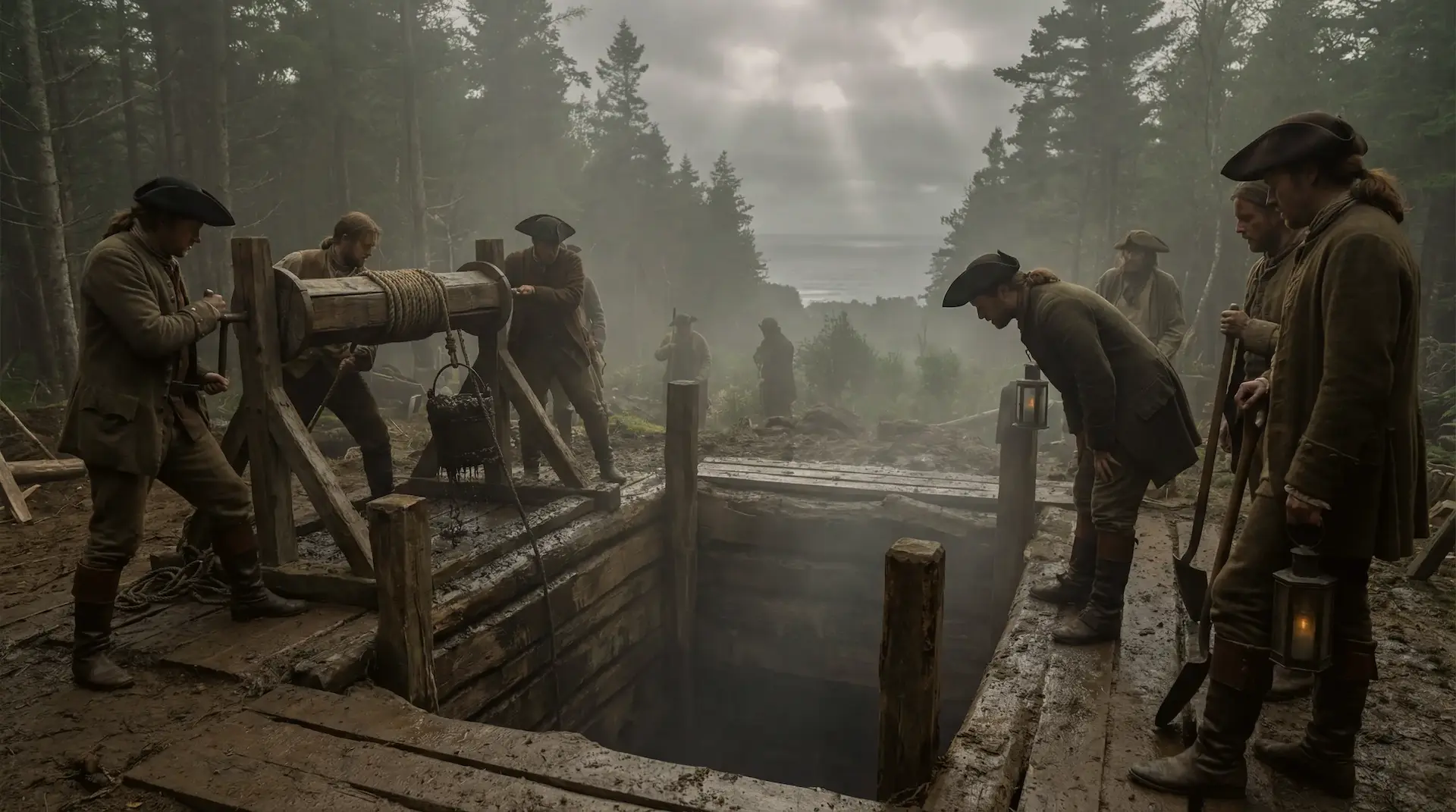
In Season 12 the channel announced itself. A wide steel caisson called TB-1 was being driven down beside the site of the old Chappell Shaft when it met extremely hard material all the way around between about 160 and 180 feet. Matheson and Marty Lagina read it as the edge of the channel. Then the ground around the shaft collapsed.
The team's conclusion in the War Room was dramatic. Beneath the area lay a solution channel roughly 200 feet deep, and the Chappell Vault, the wooden box that searchers reportedly drilled into in 1897, may have fallen into it along with more than a hundred cubic yards of material. They put a new shaft less than ten feet away and named it TOT-1, for The One Thing.
TOT-1 went down through history. At 142 feet it brought up wood from the wall of the Chappell Shaft, and then a timber with part of a metal shoe still attached. In 1931 Melbourne Chappell had braced the bottom of his shaft with a four-foot metal shoe, so anything found below it could belong to something older. At 160 feet came an old iron tool. The casing stopped at 195 feet and would go no further.
At the end of that season, surveyor Steve Guptill laid out the arithmetic. More than 500 boreholes and 27 caissons had gone into the Money Pit area over the years. Only 20 to 25 of those holes had reached the bottom of the channel, and just four caissons had ever touched the bedrock beneath it.
Drilling to the Floor at 229 Feet
1 min
Season 13 opened with a single mission: drill systematically to the floor of the solution channel and find out what lies there. Borehole J-6, five feet south of TOT-1, cut through a ledge of bedrock at 178 feet and dropped into the channel, finding loose material from 201 to 208 feet and bedrock at 213. J-9 bottomed out at 216 feet.
Then came J.5-8.5. At about 148 feet the drill rods fell eight feet. They kept sinking, through continuous loose material, to 188 feet, then 200, then 228, far past the 218 to 220 feet the team believed was the channel's deepest point. Bedrock finally came at 229 feet, and the run ended at 233. Out of all that depth, only about twelve feet of material could be recovered. The rest was too loose to hold.
Elsewhere the floor sat closer to 205 or 215 feet, and where there was no channel at all, bedrock rose to about 160 feet. A metal signal at the very bottom of borehole F-5.5, right at the bedrock line, persuaded Rick Lagina that small, dense objects really can fall all the way down. By midseason the brothers described a second goal beside the treasure itself: defining the shape of the channel, because the shape decides where anything that fell could have come to rest.
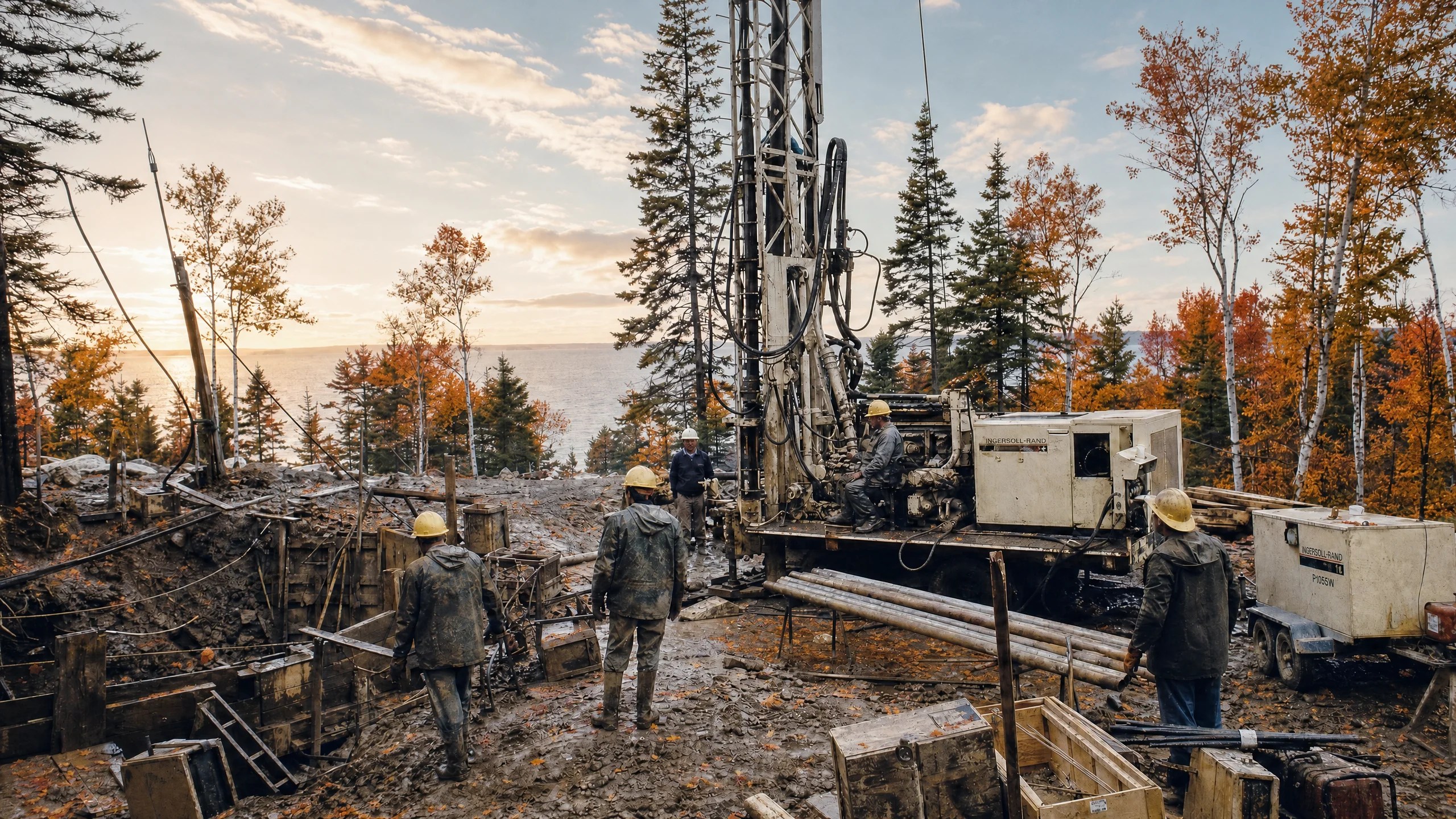
Dye, Silver and Water on the Move
1 min
The channel is not still. The year before, the team had injected red rhodamine dye about 200 feet down. In Season 13 it surfaced in a sample from just 105 feet. Water tests showed flow running from the channel in the south toward monitoring wells near the Garden Shaft in the north, and the drilling itself seemed to act like a plunger, forcing water down in one hole and up in another.
The water carried more than dye. Samples showed traces of gold and silver, and the team's reading was that the source sat deep in the channel. Ian Spooner, a geologist working with the team, offered a simple mechanism: wash a gold-bearing soil long enough and the light material leaves while the heavy metal stays behind. In a channel flushed by tides and pumps for two centuries, that is the kind of sorting the water could do.
A Void the Geologist Could Not Explain
1 min
About 45 feet northeast of the main drilling, in an area Marty Lagina named the Peacock, borehole BN-13.5 passed through soil so soft and soupy between 55 and 150 feet that Matheson could find no geological explanation for it. At 148 feet the rods dropped again into a water-filled space about ten feet high, sitting above the solution channel rather than inside it. An underwater camera showed what looked like a wall with an opening, and a scanning sonar mapped a cavity with passages leading off in two directions. Matheson's view was blunt: there was no geological reason for a void to exist there.
The holes drilled around it did not find the void again, though one recorded the drill falling sixteen feet through soft material and another lost most of its core between 145 and 160 feet. A full shaft, Peacock-1, later confirmed the channel running from about 165 feet down to bedrock at 211. These northern holes, named for grid rows north of the original layout, now appear on the borehole map alongside the rest.
Seven-Foot Shafts Into the Channel
1 min
Boreholes can sample the channel. Only a shaft can empty it. Late in Season 13 the team brought in a 135-ton drill rig and began sinking seven-foot steel caissons straight into the target zone.
Karma-1 went first. At about 155 feet it met fragments of metal plate that may be pieces of the Chappell Shaft's shoe, then gypsum between 160 and 170 feet marking the rock ledge above the channel, then old pipe at around 180 feet, thinner than the six-inch casing used in the 1960s by Dan Blankenship, the treasure hunter who searched the island for more than half a century. It reached 212 feet. The next shaft, nicknamed Top Pocket Find, broke through the ledge at about 175 feet. At 186 feet it produced wood that sank immediately in water, a test Blankenship used to tell old wood from new. A dense iron artifact came up at 193 feet, below any depth a known searcher reached in that spot. Near 210 feet came a button bit lost by an earlier drilling crew, proof that heavy steel had migrated down through the slurry. The last shaft of the season, MP-1, ground to a stop on bedrock at 210 feet.
None of them brought up treasure. Every one of them brought up the past.
A Channel Mapped, a Question Open
1 min
Some things about the solution channel are now on firm footing. Beneath the Money Pit, water has dissolved a zone of soft, loose, water-filled material in the anhydrite and gypsum, running from roughly 160 feet down to a floor between about 204 and 229 feet. It extends across the Money Pit area and north into the Peacock. It holds timber, iron and tools from searchers going back to at least the nineteenth century, and possibly earlier. Heavy objects sink through it, and water moves through it fast enough to carry dye nearly a hundred feet upward within a year.
Other things are not settled. Whether the channel is ancient karst, as Fader and Steele hold, or a network of old cavities opened up by two hundred years of pumping, as Harris and MacPhie argue, is still a matter of interpretation, and the two readings do not exclude each other. Whether the original Money Pit ever reached it, and whether anything placed there survived the collapses and the pumps, no drill has yet shown.
What has changed is the map. For two centuries the deepest part of the Money Pit was a place people guessed at. Today it has a shape, a depth and a floor, drawn one borehole at a time. If something went down into the dark under Oak Island, this is where the search now expects to find it.
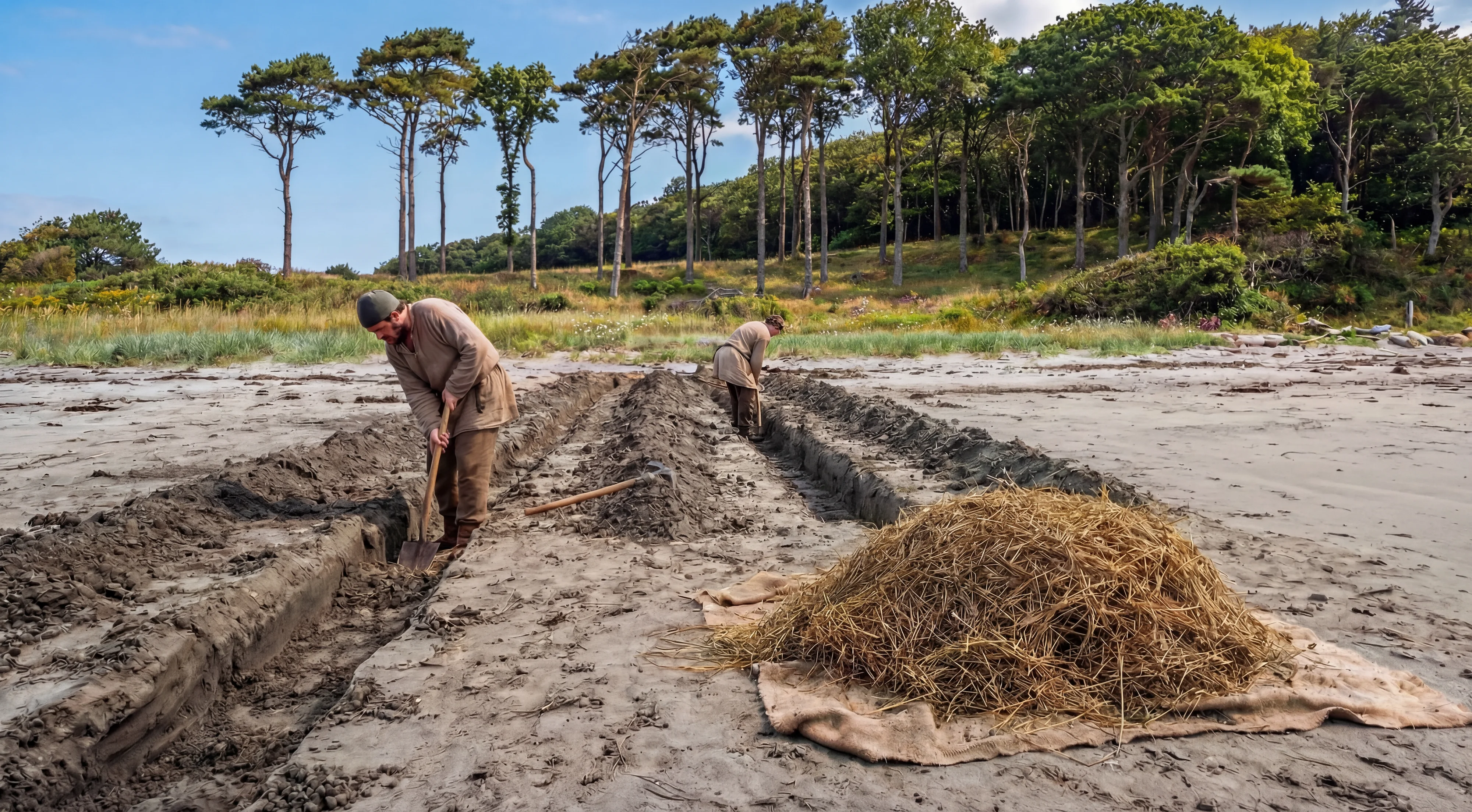 Oak Island Flood Tunnels and Box Drains: The Water Trap→
Sources
1 min
Books
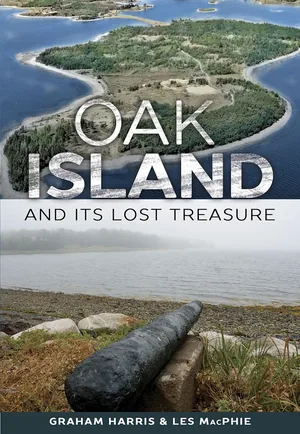
- Graham Harris and Les MacPhie, Oak Island and Its Lost Treasure, 3rd edition (Formac Publishing, Halifax, 2013)
- Joy A. Steele and Gordon Fader, Oak Island Mystery: Solved: The Final Chapter, 2nd edition (2018)
- William S. Crooker, Oak Island Gold
- Randall Sullivan, The Curse of Oak Island: The Story of the World's Longest Treasure Hunt
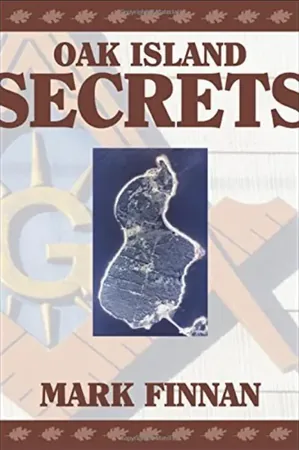
- Mark Finnan, Oak Island Secrets