About This Artifact
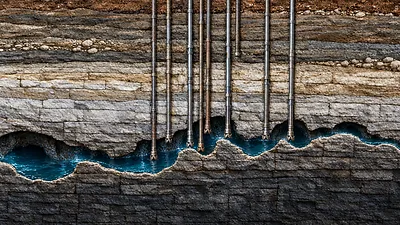
A small piece of stained, multicolored wood recovered by Rick Lagina from spoils brought up by caisson MP-1 at a depth of approximately 195 feet, within the solution channel targeted for its strong silver readings. Metal detection expert Gary Drayton, examining the fragment in the field, described the coloring as exotic and suggested the grain pattern was consistent with palm. No tropical or palm species are native to Nova Scotia, and Rick observed that organic material of this character should not occur naturally at that depth in the dissolved-bedrock zone.
The most likely explanation accepted by the team is downward displacement: that the fragment originated in shallower deposits and migrated into the solution channel during the centuries of searcher activity above, when shafts were sunk, collapsed, and backfilled across the Money Pit area. The find sits alongside the Smith's Cove coconut fiber and the broader pattern of foreign organic material recovered from the island, and would benefit from species identification and radiocarbon dating before any firmer interpretation can be offered. The fragment is currently held for laboratory analysis.
Historical Context
Recovered Season 13 from MP-1 caisson spoils at approximately 195 feet by Rick Lagina; field-identified by metal detection expert Gary Drayton as exotic with grain consistent with palm. No laboratory analysis performed on-screen; held for species identification and radiocarbon dating.
Where It Was Found
Found at MP-1 caisson, Money Pit area at 195 feet. Location: the original 1795 excavation shaft on Oak Island, Nova Scotia.