The story of Oak Island is also the story of the people who searched it. For 231 years a succession of companies, engineers, families and investors has tried to reach the bottom of the Money Pit. Some lost their savings, six people lost their lives, and none has recovered an authenticated treasure. This page follows the major expeditions in order, from three teenagers with shovels to the televised search that continues today. The books behind each section are listed under Sources.
Three Teenagers and a Merchant (1795 to 1805)
1 min
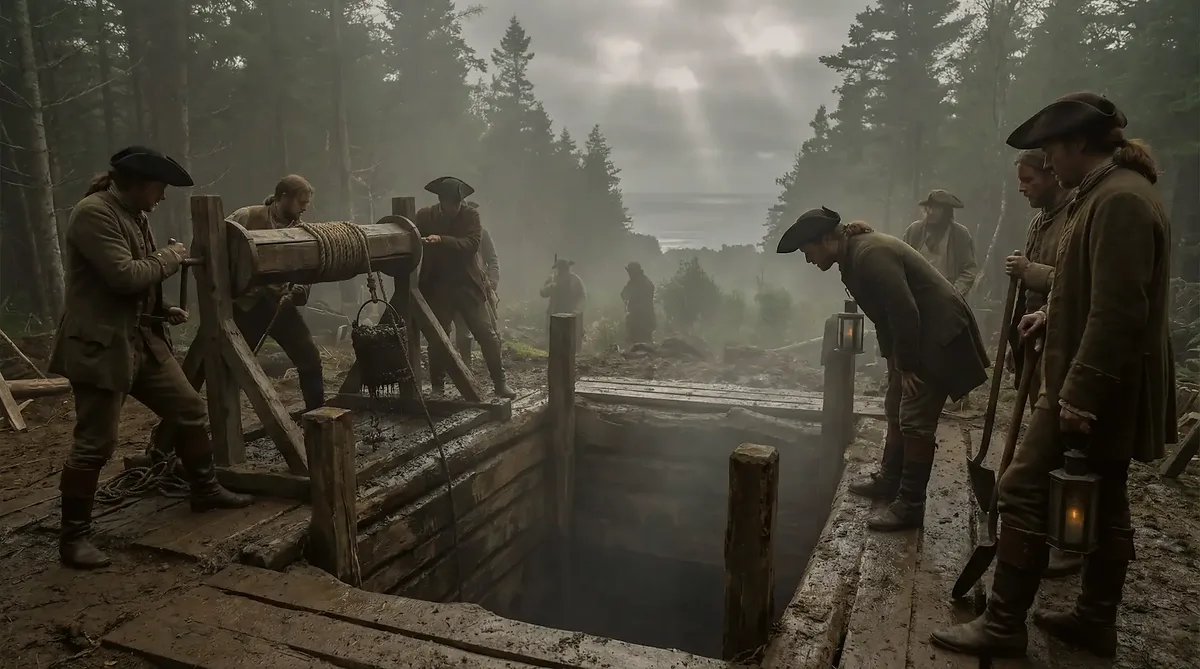
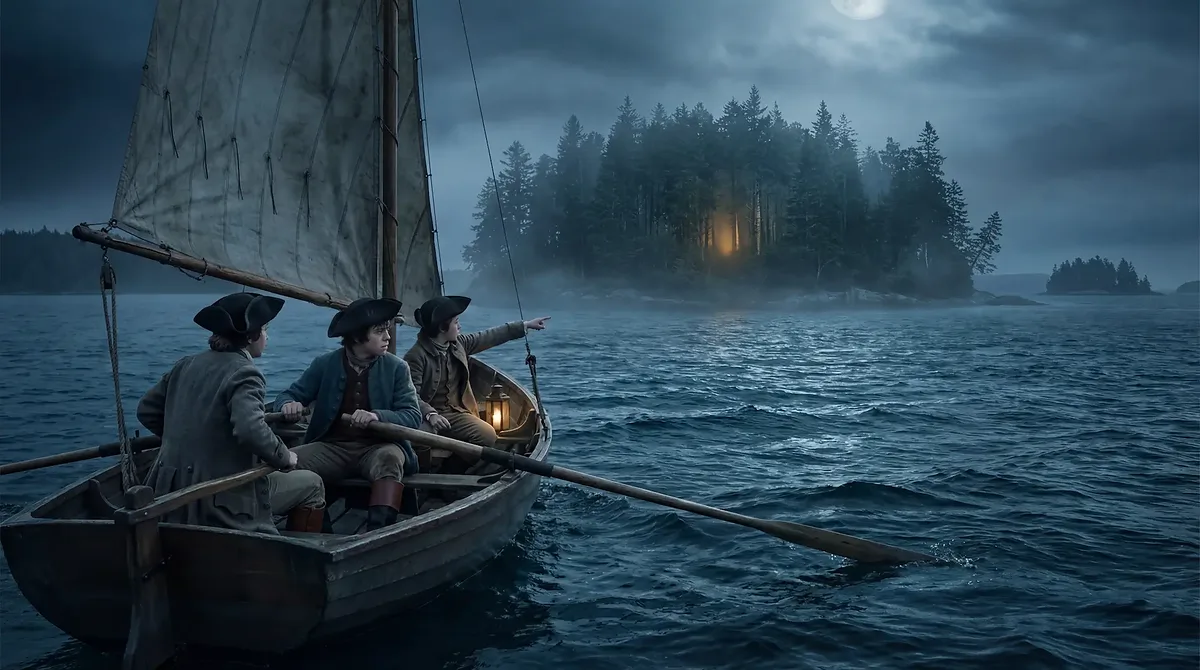
By the traditional account, Daniel McGinnis, John Smith and Anthony Vaughan began digging a depression on the east end of the island in 1795. They reported log platforms every ten feet and stopped somewhere between 20 and 30 feet down.
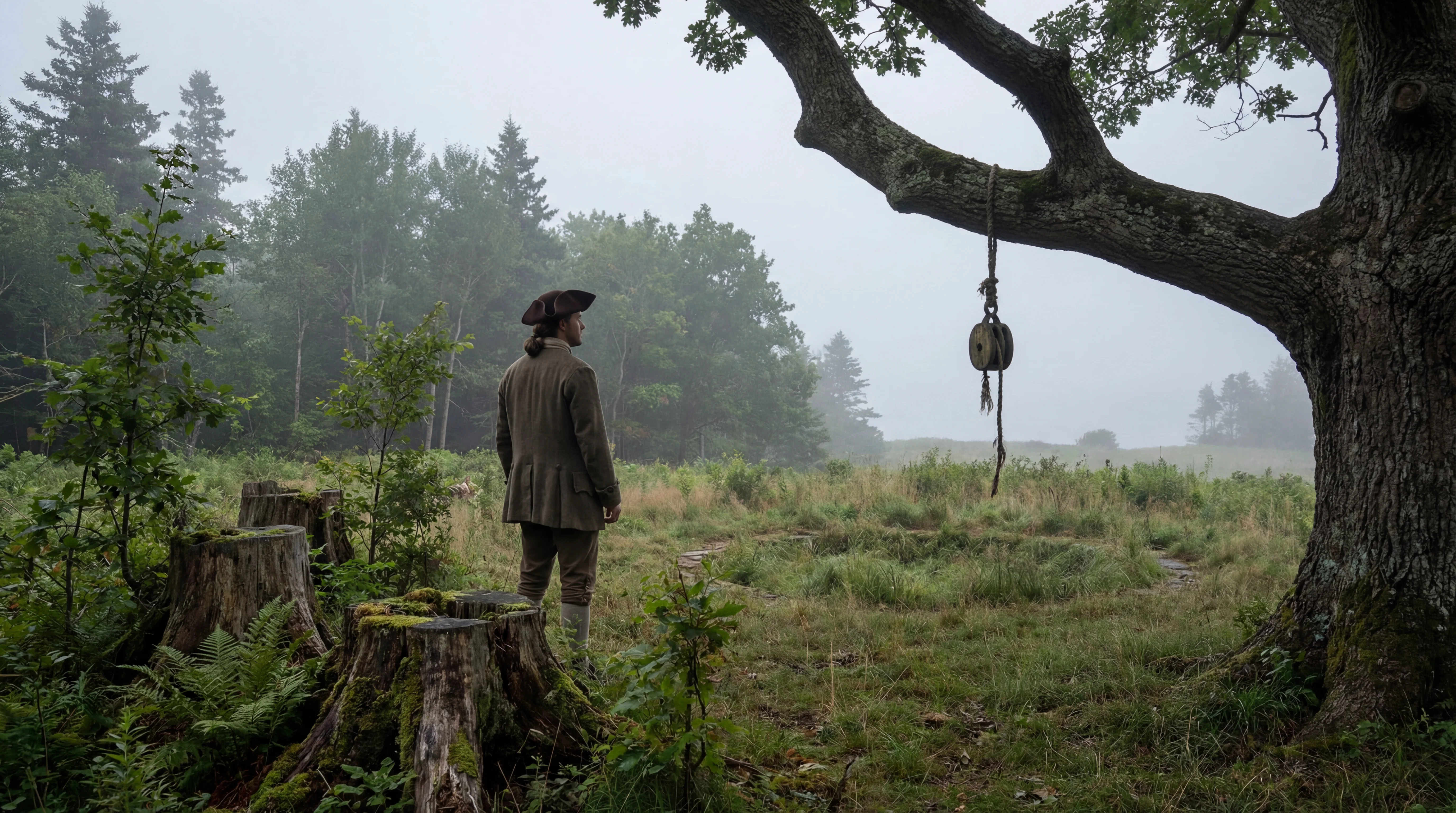 The Real Daniel McGinnis of Oak Island→
Their backer turned out to be Simeon Lynds, a merchant from Onslow, near Truro, and a relative of Anthony Vaughan's father. He heard the story during an evening at the Vaughan home, went to see the pit the next day, and by 1803 or 1804 had formed the Onslow Company with a group of prominent local men. The crew dug to about 93 feet, reporting charcoal, putty, coconut fiber and an inscribed stone along the way. A crowbar probe struck something hard at 98 feet. The next morning the shaft held about 60 feet of seawater, and bailing made no difference. A second shaft sunk in 1805 flooded as well, and the company gave up with its investors close to bankruptcy.
The Men from Truro and Their Drill (1849 to 1850)
1 min
The Truro Company reopened the Money Pit in 1849. Its engineer, Jotham McCully, left the main record of its work. The shaft reached 86 feet before flooding again.
Unable to dig, the company drilled with a pod auger. McCully described a spruce platform at 98 feet, then oak, then 22 inches of "metal in pieces," and three small links like those of a watch chain brought up on the auger. His accounts differ on whether he called them gold.
 Gold chain links (3)→
In 1850 the company found that the water in the shaft was salt and moved with the tide. Digging into the beach at Smith's Cove, it uncovered a bed of coconut fiber and eelgrass over five stone box drains, and concluded that a tunnel carried the sea to the shaft. A cofferdam built to hold back the tide was carried away by a high tide, and the company's work ended soon after.
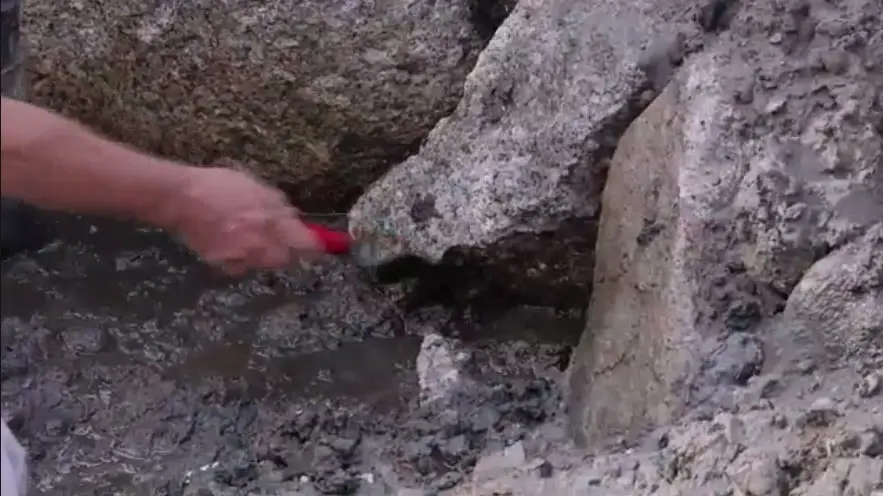 Possible box drain entrance→
The Day the Money Pit Collapsed (1861 to 1864)
1 min
The Oak Island Association reopened the shaft in 1861 and sank two more beside it. With 63 men and 33 horses bailing in shifts, it came close to draining the pit. Then, as two men worked in a connecting tunnel, the bottom of the Money Pit gave way. One of its members later recalled that 10,000 feet of lumber, the cribbing of the old pit, went down with it.
That autumn a boiler on the Association's steam pump burst and scalded a worker to death. The only account of the death, written by E. H. Owen in 1868, does not name him, and the Association's own report to the Liverpool Transcript mentioned only three men "slightly scalding". He is listed as Unknown on the island's memorial stone.
A Cofferdam, a Cavity and a Drill (1866 to 1867)
1 min
The Halifax Company, formed in 1866, tried first to shut off the sea. Samuel C. Fraser, its foreman, reported a cofferdam at Smith's Cove twelve feet high and 375 feet long, reaching 120 feet out from the high-water mark. It held for a time after the cove was pumped dry, then the sea destroyed it before the area could be fully explored.
The company turned back to the Money Pit and cleared it to 108 feet. While digging a lateral tunnel into the south side of the pit, a workman felt the ground give way beneath him, drove his pick and crowbar down into a cavity, and escaped as water flooded the tunnel faster than the pumps could remove it.
From November 1866 to January 1867 the company drilled from a platform at 90 feet. According to Graham Harris and Les MacPhie, two Canadian geotechnical engineers, the holes met spruce at 106 feet; wood, charcoal and coconut fiber at 125 feet; oak chips and what appears to have been a plank at 134 feet; and a reddish-brown soil at 158 feet, reaching a maximum of 163 feet. The drillers found no regular spacing of timber platforms, and Harris and MacPhie read the upper material as debris from the 1861 collapse.
The company also sank Shaft No. 10, about 200 feet southeast of the Money Pit, to about 110 feet and drove tunnels from its base. In letters of 1895, Fraser described cutting into the mouth of what he called the "pirate tunnel," which threw out stones twice the size of a man's head and kept the crew out of the shaft for about nine hours.
Frederick Blair's Lifelong Obsession (1893 to 1900)
1 min
In 1893 Frederick Blair, a young businessman from Amherst, Nova Scotia, helped form the Oak Island Treasure Company. It was the start of an obsession that would last the rest of his life. Blair stayed involved with the island until his death in 1951, longer than any searcher of his era.
On March 26, 1897, a worker named Maynard Kaiser fell to his death when a rope slipped as he was hoisted from a shaft. Later that year the company's drill reported oak and iron at 126 feet, what looked like cement at about 153 feet, and iron at 171 feet. A scrap of parchment came up from the borings of the 153-foot hole.
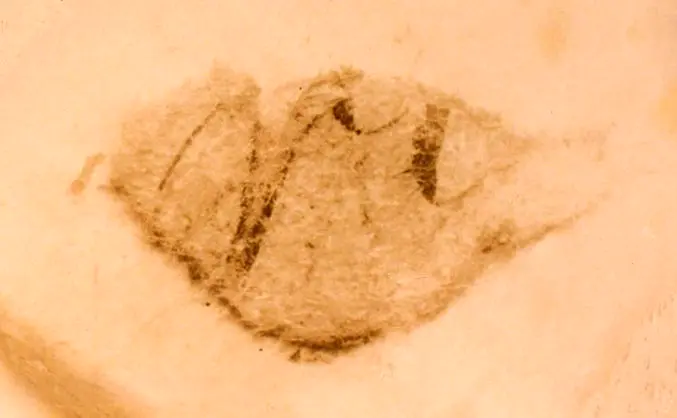 Parchment fragment→
In the spring of 1898 the company pumped water, and then red dye, into the workings. Both came out at three places along the south shore rather than at Smith's Cove, which pointed to a second water channel, whether natural or man-made. With workers owed wages and liens on its equipment, the company collapsed, and the sheriff sold its property in May 1900.
A Future President Joins the Dig (1909)
1 min
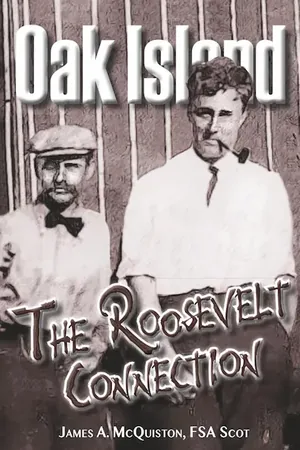
In April 1909 Captain Henry Bowdoin, a New York engineer and licensed diver with a gift for publicity, formed the Old Gold Salvage and Wrecking Company, promising investors a return of 4,000 percent. Among the few who bought shares was Franklin Delano Roosevelt, then 27 and a law clerk at the Wall Street firm Carter, Ledyard and Milburn, together with three friends. Roosevelt visited the island several times that summer. Bowdoin's crew drilled 28 holes, work stopped by November, and Bowdoin afterwards declared Oak Island a hoax.
Roosevelt did not forget it. In 1939, as president, he wrote to Gilbert Hedden, who had led the search a few years earlier, asking how it was going with modern methods, noting that his own had been "somewhat antiquated".
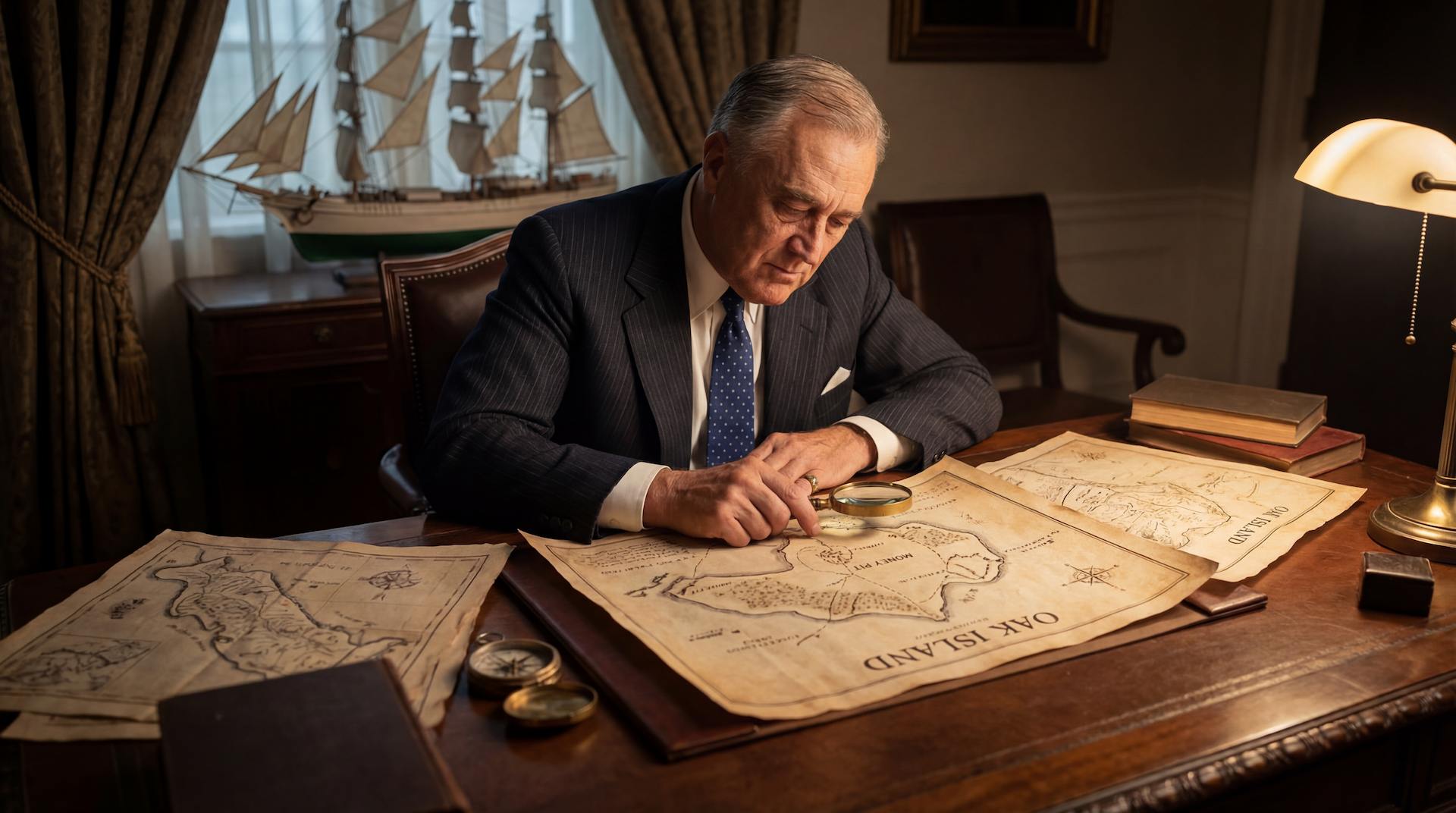 The Roosevelt Connection→
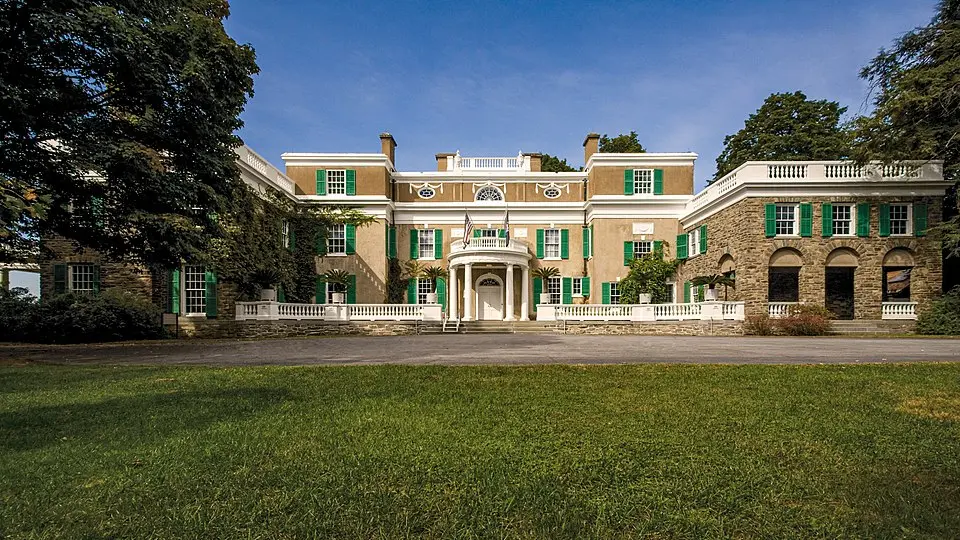 Hyde Park Roosevelt Estate→
Drillers, a Car Dealer and a Professor (1931 to 1943)
1 min
In 1931 William Chappell, who had worked the drill in 1897, returned with his son Melbourne and sank a shaft to 163 feet near the Money Pit. It found an anchor fluke and old tools but no trace of the cement or iron reported in 1897.
In 1933 Blair made an agreement with Thomas Nixon of Victoria, British Columbia, and the Canadian Oak Island Treasure Company was formed with a capital of $225,000. In 1934 it put down fourteen boreholes to depths of up to 176 feet, bringing up bits of oak and, from below 123 feet, fragments of china. The company disbanded shortly afterwards.
China fragments below 123 ft (Canadian Oak Island Treasure Company, 1934)→
Gilbert Hedden, a Cadillac dealer and former mayor from New Jersey who had read about the Money Pit in the New York Times, bought the east end of the island in 1935 and searched from 1936 to 1937. His crew reopened the Chappell shaft to 170 feet, the deepest anyone had reached at the time. In August 1937 his crew relocated a triangle of beach stones on the south shore, first reported by a searcher in 1897, and Hedden found two drilled boulders about 415 feet apart. A surveyor found that the triangle's center line ran due north toward the Money Pit. Tax litigation ended Hedden's involvement in 1938.
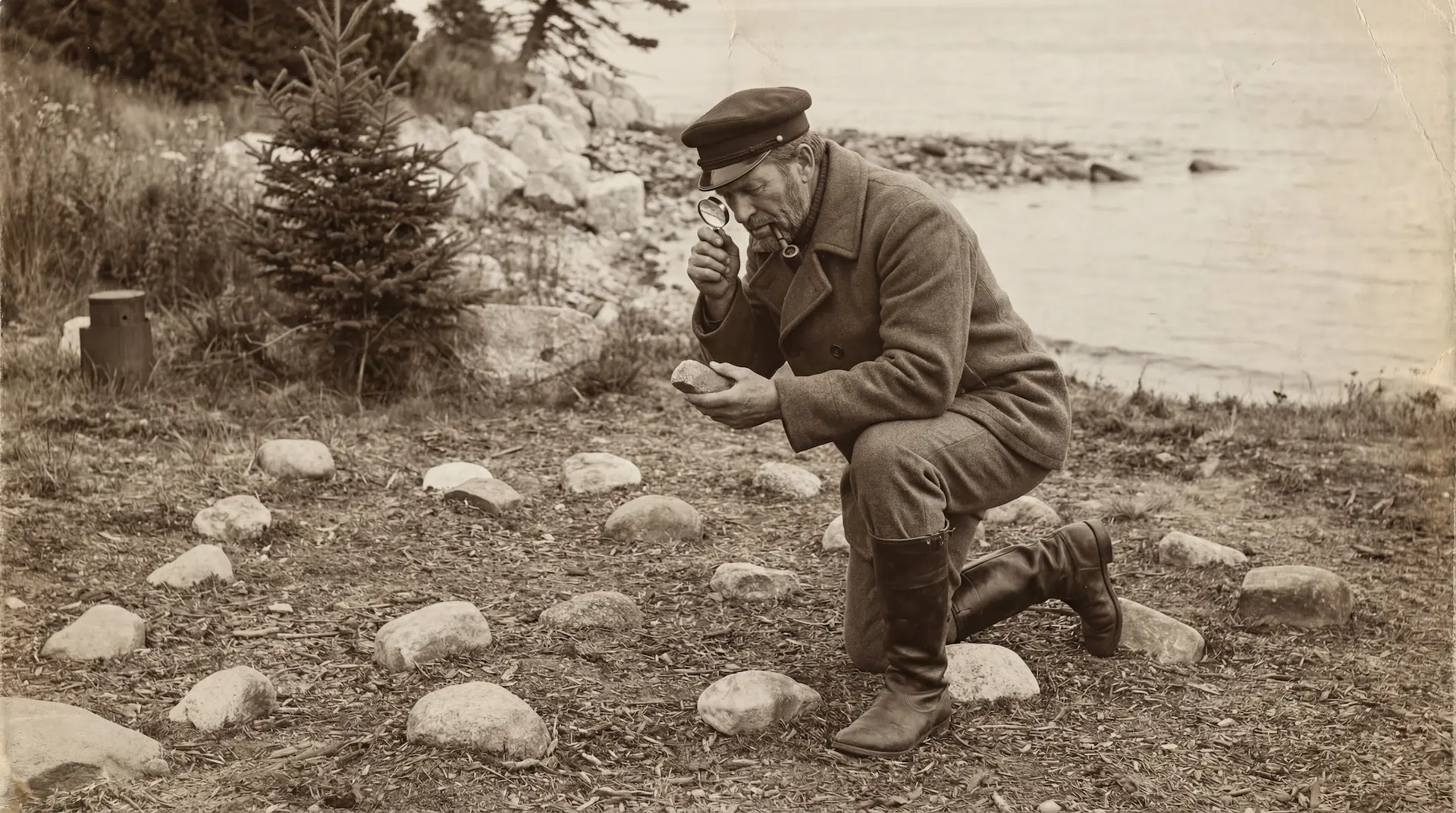 Stone Triangle, the Oak Island Sextant→
Edwin Hamilton, a professor of engineering at New York University, took over from 1938 to 1943. His crew drilled 58 lateral holes from the Hedden Shaft in the Money Pit area, measured seawater entering at about 800 gallons a minute, repeated the dye test that pointed to the south shore, and found the tunnel dug by the Halifax Company in the 1860s.
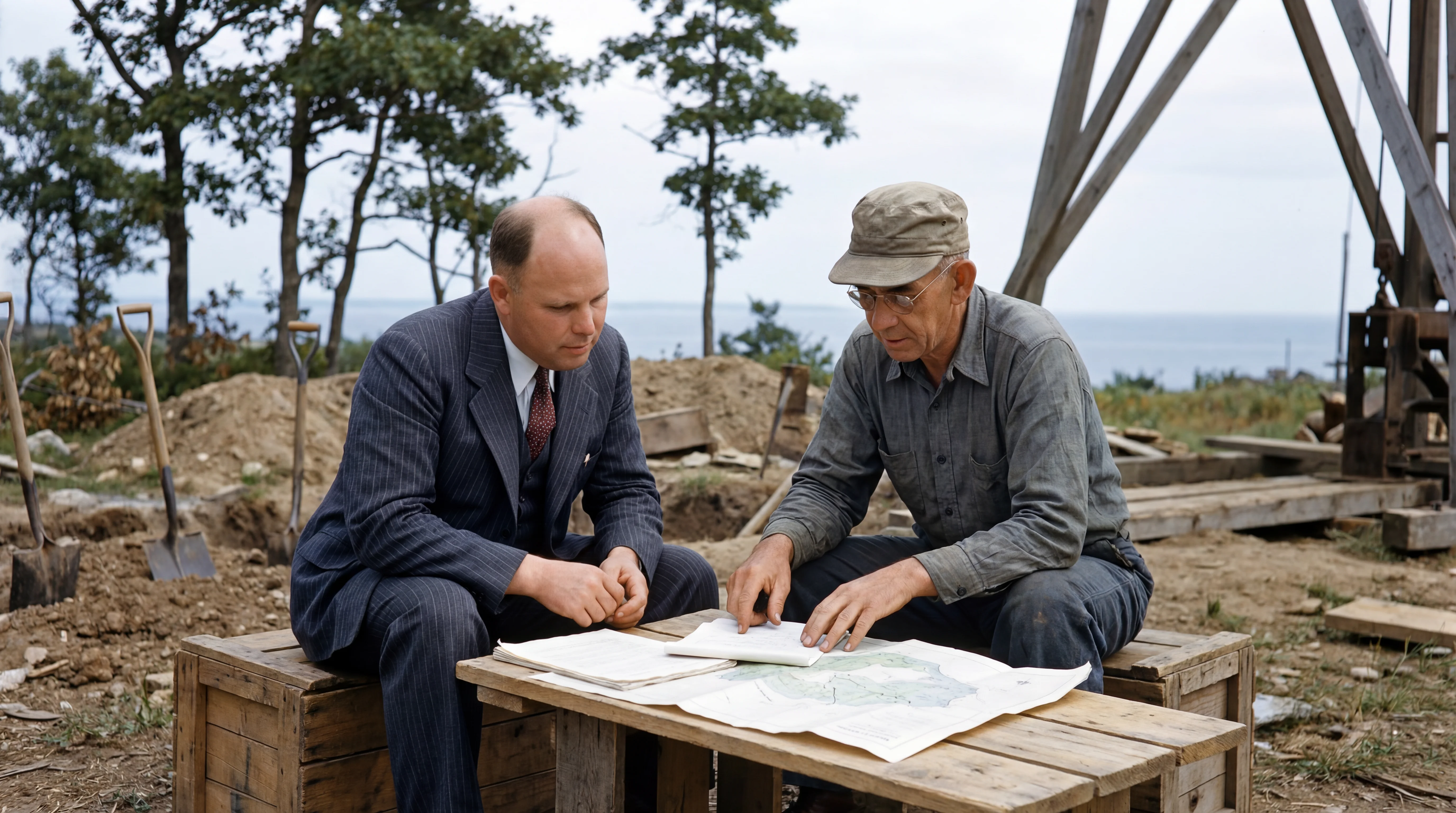 Gilbert Hedden and Edwin Hamilton: The Engineers Who Mapped the Oak Island Money Pit→
Oil Men and Gold Drillers (1951 to 1958)
1 min
Blair died in 1951, and the rights to search the island passed to Melbourne Chappell. In the summer of 1955 an oil-drilling syndicate from Corpus Christi, Texas, led by George Greene, spent four weeks on the island. Greene put down a line of boreholes on the north side of the Chappell Shaft. The farthest struck eight inches of oak at 100 feet, a ten-foot void, more oak at 110 feet, a cavity from 110 to 155 feet, and clay to 190 feet. Back in Texas that October, Greene said they "poured 100,000 gallons of water into it and it ran out, but I don't know where."
In 1958 the brothers William and Victor Harmon, experienced in drilling for gold-mining ventures in Northern Ontario, reached an agreement with Chappell. In two months of drilling to depths of up to 212 feet they brought up oak, spruce and coconut fiber from below 150 feet. The work ended when their financing ran out.
The Family Who Lived Beside the Pit (1959 to 1965)
1 min
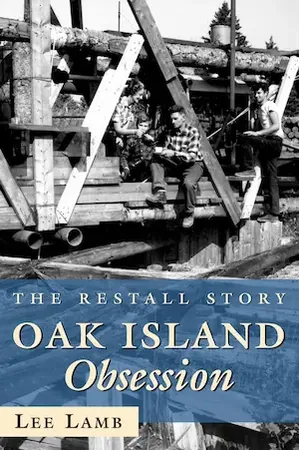
Robert Restall, a former motorcycle stunt performer, signed an agreement with Melbourne Chappell in 1959 and moved to the island with his 18-year-old son Bobbie. His wife Mildred and younger son Ricky followed, and the family lived in two small cabins without amenities while they worked to cut off the flood tunnels. Around 1960 Mildred Restall found a stone carved with the date 1704 on the beach at Smith's Cove; her daughter brought it to the War Room in Season 4, Episode 4.
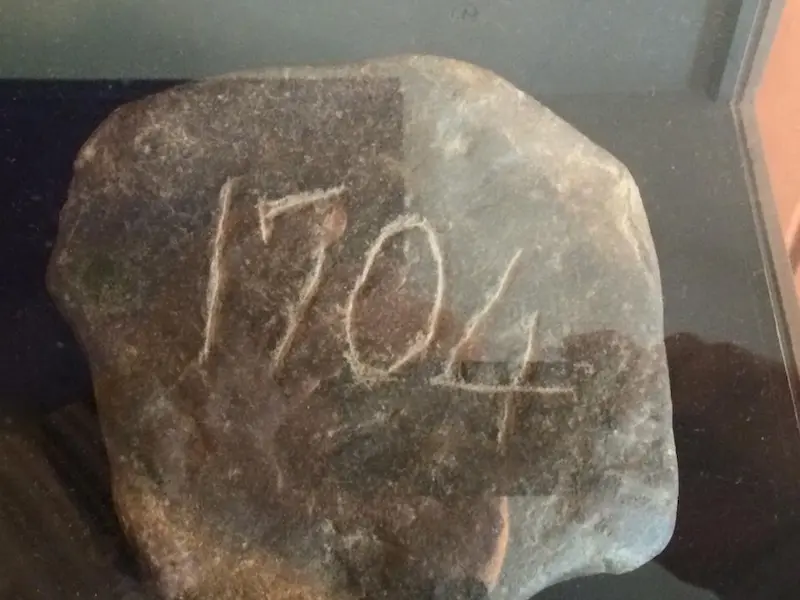 1704 stone→
On August 17, 1965, Robert Restall fell into a 27-foot shaft near Smith's Cove where a gasoline pump had been running. Bobbie climbed down after him, followed by Karl Graeser, a mineral dealer from Long Island who had invested in the dig, and Cyril Hiltz, a 16-year-old from the mainland hired for the summer. All four died. A visiting fire captain pulled two other men out alive. The coroner ruled the deaths drownings. Most accounts blame gas in the shaft, either carbon monoxide from the pump engine or gas from the ground.
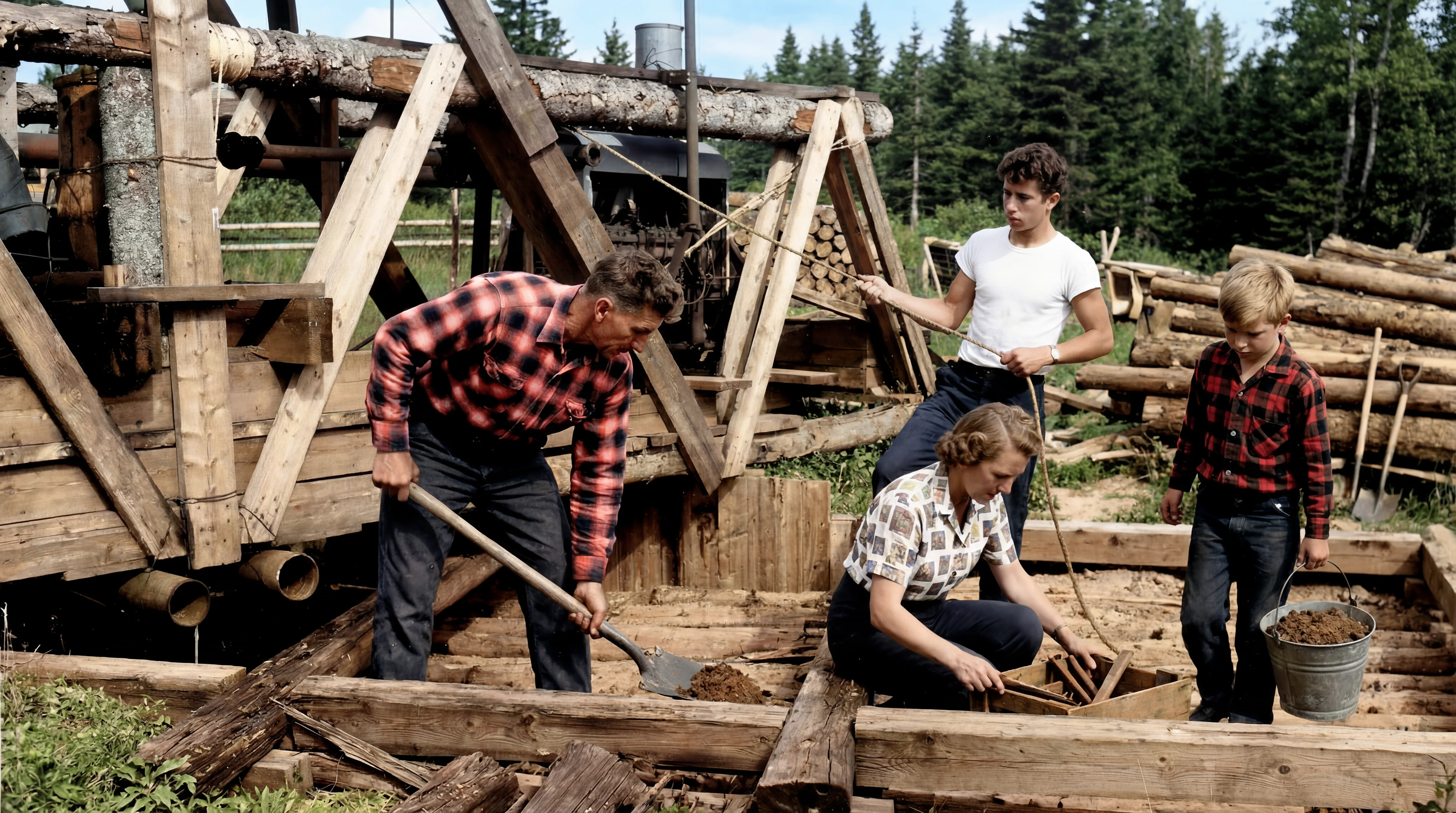 The Restall Tragedy→
Bulldozers and a Causeway (1965 to 1966)
1 min
Robert Dunfield, a petroleum engineer from California and a Restall investor, took over after the deaths. He built a causeway from the mainland in 1965 and brought across a 70-ton digging crane. His excavation removed ground to roughly 140 to 148 feet across the Money Pit area, fought repeated cave-ins, and was refilled in January 1966. Dunfield left in April 1966 without finding treasure, and the original reference points of the Money Pit were lost in the process.
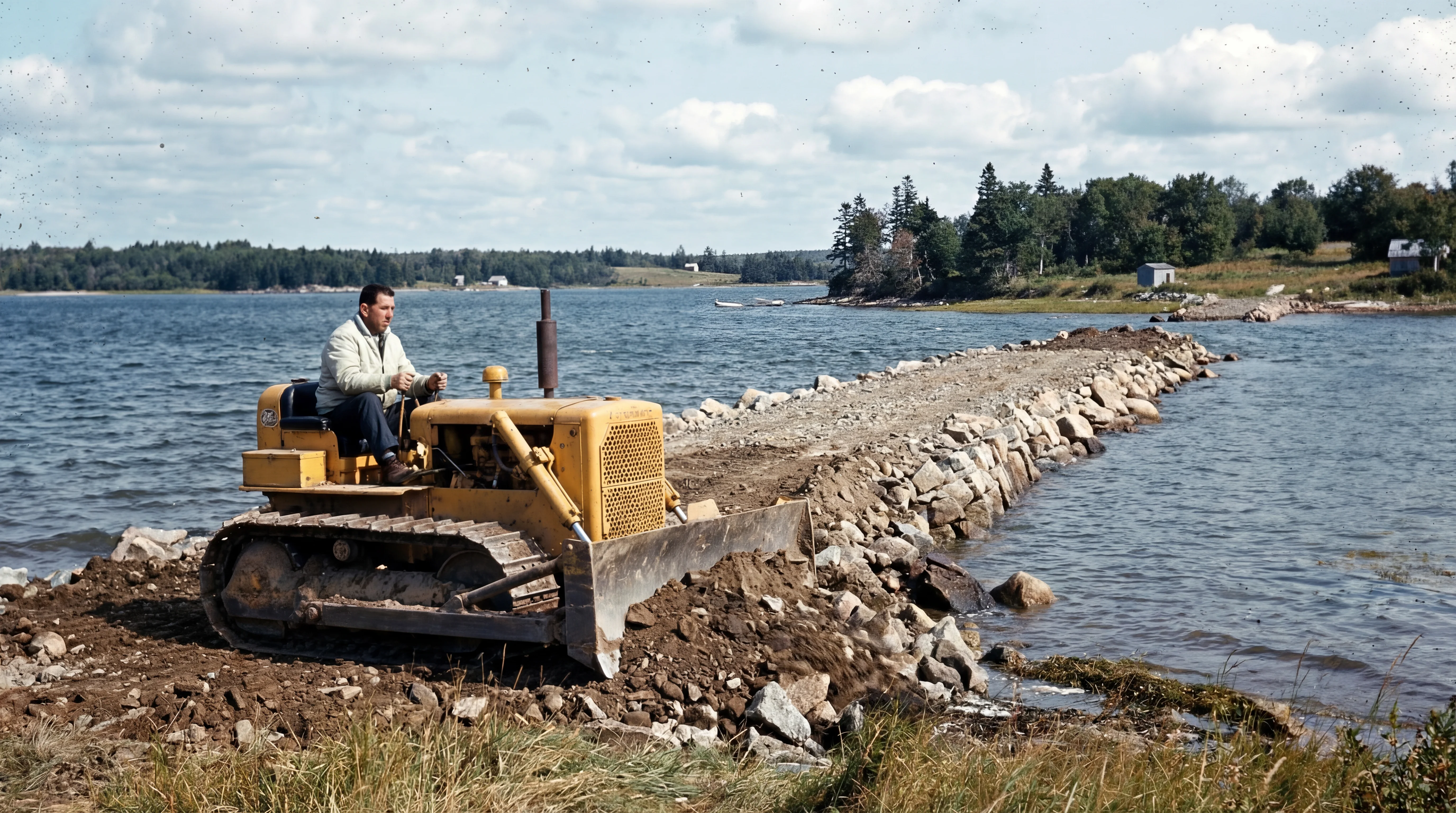 Robert Dunfield and the Destruction of Oak Island→
Half a Century on the Island (1965 to 2019)
1 min
Dan Blankenship, a building contractor in Miami, picked up the January 1965 Reader's Digest and found an article titled "Oak Island's Mysterious 'Money Pit'." He visited that summer and invested $21,000 in Dunfield's operation. In 1967 he and the Montreal businessman David Tobias ran the Becker drilling program, and in 1969 they formed Triton Alliance with a group of investors.
Triton's best-known work was Borehole 10-X, drilled in 1969 about 180 feet northeast of the Money Pit. In 1971 a camera lowered into the water-filled cavity at its bottom returned images that Blankenship read as chests, tools and a severed hand. Blankenship and hired divers later entered the cavity but recovered nothing. In November 1976 the casing collapsed at about 95 feet moments after his son David winched him up from below that point.
In 1983 Triton drilled Borehole 401 about 200 feet north of the Money Pit to establish the depth and thickness of the bedrock. It passed through hard glacial till to 181 feet, anhydrite from 181 to 360 feet, and grey slate to 590 feet, where the hole was stopped. Harris and MacPhie point out that anhydrite, a relatively weak, water-soluble rock, resembles cement in appearance and texture, and propose it as the source of the cement-like stone fragments reported in the Chappell Shaft at about 150 feet.
Blankenship stayed on the island for more than five decades and died there in 2019, aged 95.
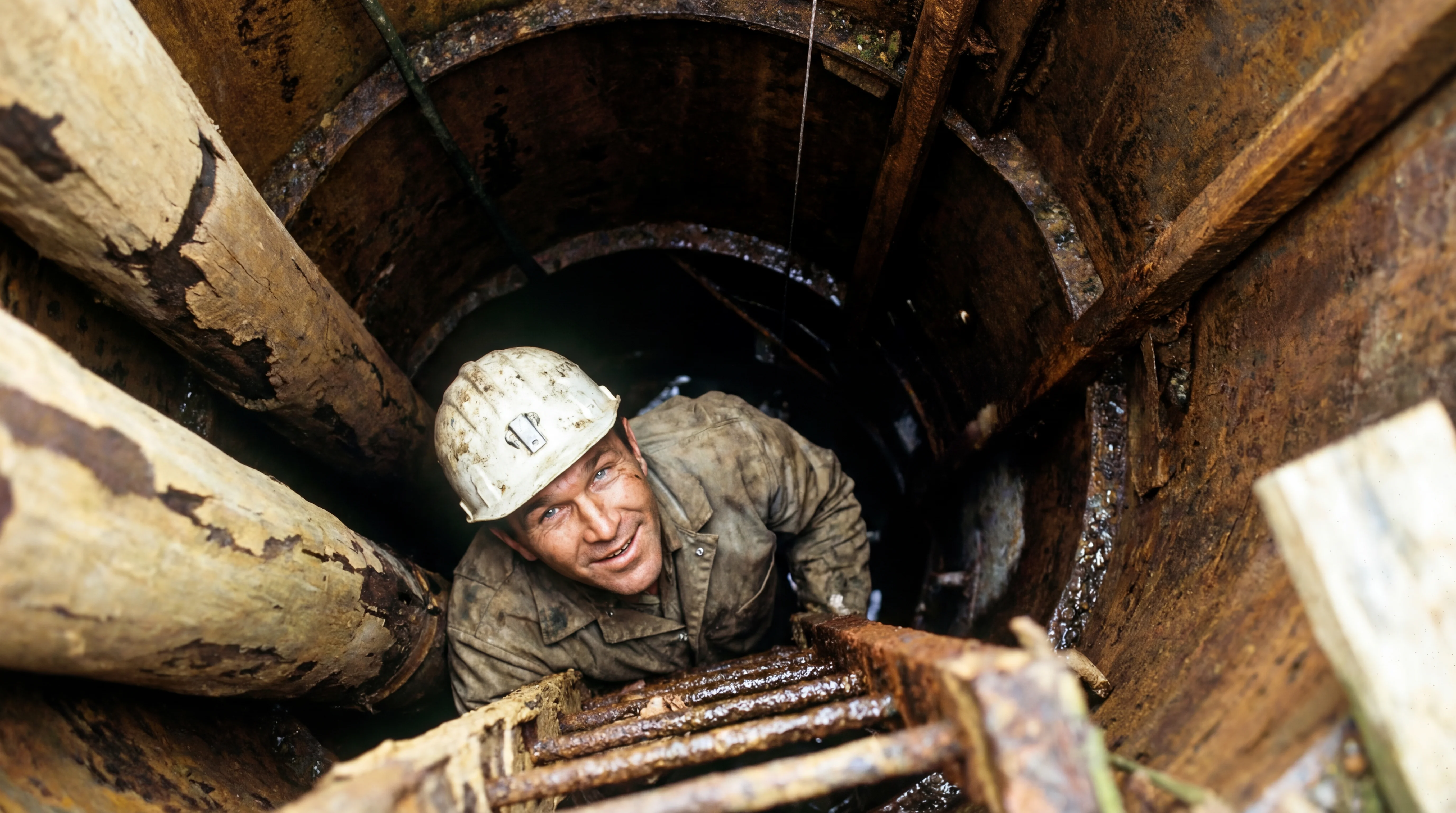 Dan Blankenship and Borehole 10-X→
Two Brothers and a Magazine Article (2006 to Present)
1 min
In 1965, 11-year-old Rick Lagina read the Reader's Digest article to his eight-year-old brother Marty, a story the brothers retold in Season 5, Episode 17. In 2006 they and Craig Tester, Marty's longtime business partner, bought a 50 percent stake in Oak Island Tours. The Curse of Oak Island premiered on HISTORY in January 2014 and has funded drilling, caissons, seismic surveys and archaeology on a scale no earlier expedition could afford.
 Reader's Digest: Oak Island's Mysterious Money Pit→
Finds from the televised search include a lead cross from Smith's Cove, found in Season 5, Episode 10 and dated in the Artifact Vault to before the 15th century, and two human bone fragments from borehole H-8, radiocarbon dated to the late 1600s and early 1700s in Season 5, Episode 8. In Season 13, Episode 3, the team drilled to 233 feet in the Money Pit area. A group of researchers working with the team, including the island historian Doug Crowell, the researchers Judi Rudebusch and Emiliano Sacchetti, and Corjan Mol, a historical researcher and cast member of the Oak Island team, has pursued links between these finds and European history. No treasure hoard has been recovered.
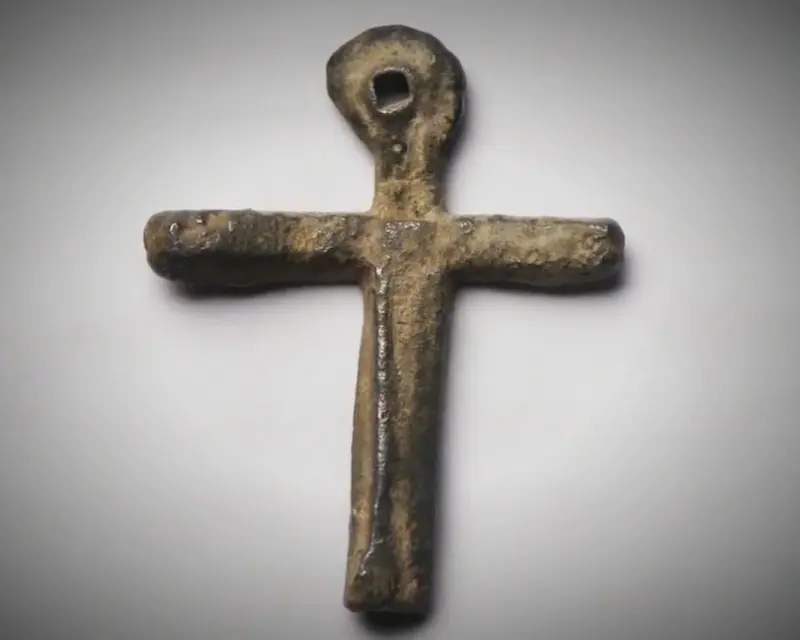 Lead cross→
What the Hunt Has Cost
1 min
Six people have died in the search: an unnamed worker in 1861, Maynard Kaiser in 1897, and Robert Restall, Bobbie Restall, Karl Graeser and Cyril Hiltz in 1965. No reliable total of the money spent exists. The surviving records show individual expeditions losing sums that ruined their backers, from the Onslow Company's investors to T. Perley Putnam, who put twenty thousand dollars, much of it borrowed, into the Oak Island Treasure Company in the 1890s and never recovered from the loss.
Each generation inherited the shafts, tunnels and fill of the one before. That layering is itself part of the record, and it is why the search continues.
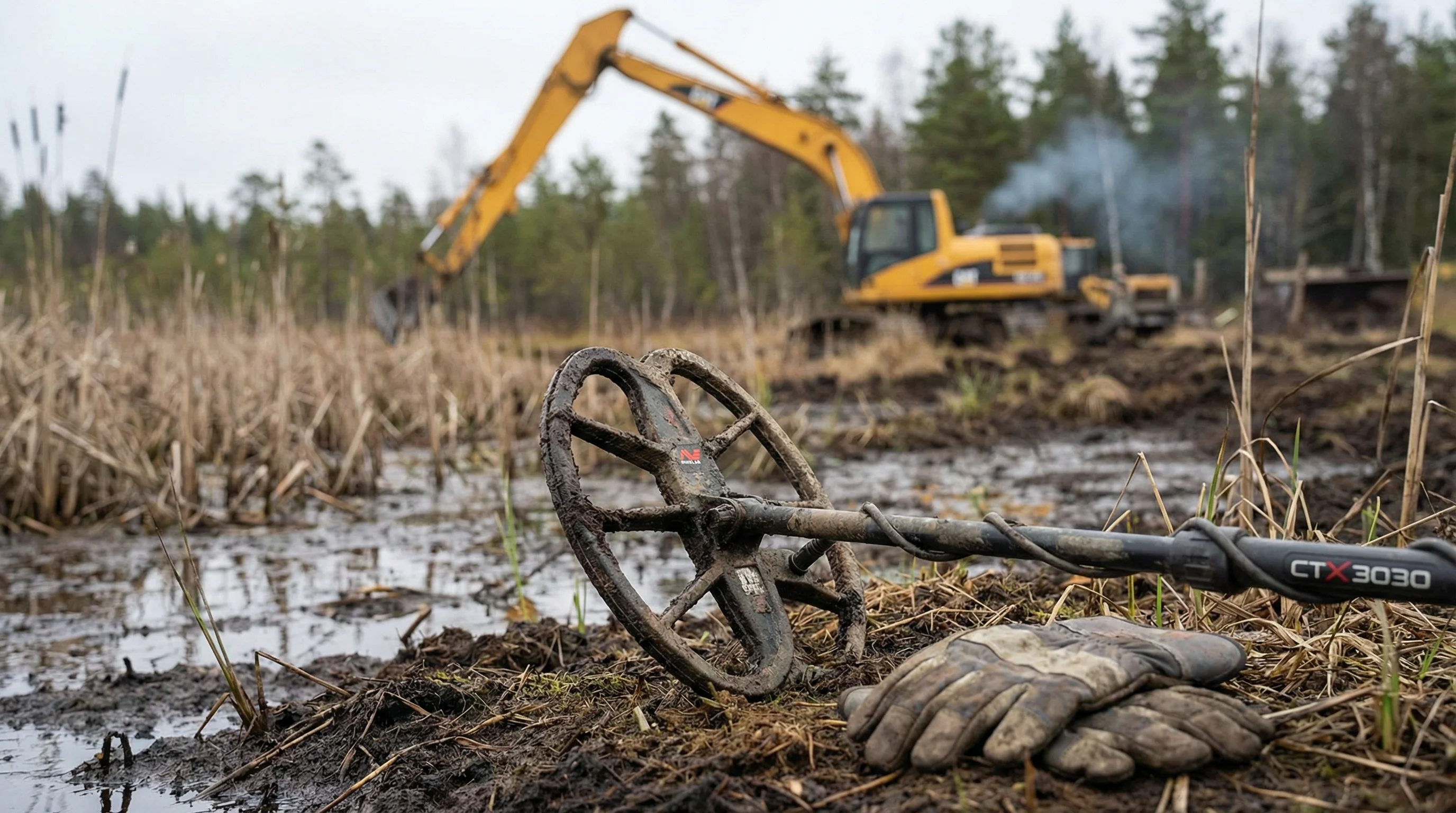 Equipment and Technology on Oak Island→
Sources
2 min
Books
- William S. Crooker, Oak Island Gold (Halifax: Nimbus, 1993). The Onslow Company and the 98-foot probe, the Truro Company's Smith's Cove excavation, the 1861 collapse and Samuel Fraser's 1895 letter, E. H. Owen's account of the 1861 death, the 1897 drilling and 1898 dye tests, the collapse of the Treasure Company in 1900, Roosevelt and the Old Gold Salvage Company, the 1931 Chappell shaft, Hedden's work and the 1937 Roper survey, the 1971 Borehole 10-X camera, the January 1965 Reader's Digest article, Blankenship's investment in Dunfield, and T. Perley Putnam's losses.
- Graham Harris and Les MacPhie, Oak Island and Its Lost Treasure, 3rd ed. (Halifax: Formac, 2013). The Halifax Company's cofferdam, cavity and 1866 to 1867 drilling, Fraser's account of the "pirate tunnel," the Canadian Oak Island Treasure Company, Hamilton's lateral holes, George Greene and the Harmon brothers, the 1976 casing collapse at 95 feet, and Borehole 401.
- Randall Sullivan, The Curse of Oak Island: The Story of the World's Longest Treasure Hunt (New York: Atlantic Monthly Press, 2018). The Truro Company's members and McCully's auger account, the 1898 dye tests, Roosevelt's shares and his 1939 letter to Hedden, Amos Nauss and the stone triangle, Hamilton's 1938 to 1943 work, the Restall deaths, Dunfield's causeway and crane, and the timeline of Blankenship, Tobias and Triton Alliance.
- Joy A. Steele and Gordon Fader, Oak Island Mystery Solved, 2nd ed. (2018). The death of Maynard Kaiser, Bowdoin's 1909 drilling and his hoax declaration, the 1931 Chappell shaft, the Restall family's arrival, and the pump-exhaust explanation of the 1965 deaths.
- Lee Lamb, Oak Island Family: The Restall Hunt for Buried Treasure (Toronto: Dundurn, 2012). The events of August 17, 1965, the rescue by Edward White, and the coroner's ruling.
- Lionel and Patricia Fanthorpe, The Oak Island Mystery: The Secret of the World's Greatest Treasure Hunt (Toronto: Hounslow Press, 1995). The Restall family's living conditions and the possible causes of the 1965 deaths.
- Mark Finnan, Oak Island Secrets, rev. ed. (Halifax: Formac, 2002). The dives into Borehole 10-X and the 1976 casing collapse.
- Scott Clarke, Oak Island Odyssey: A Masonic Quest (Halifax: Nimbus, 2023). The Association's 1862 report to the Liverpool Transcript and the 1976 collapse at about 95 feet.