About This Artifact
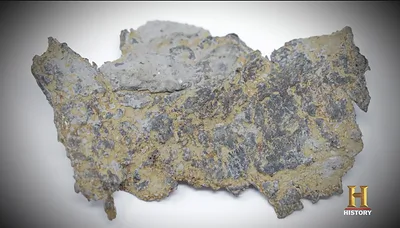
Fragments of hand-painted pearlware pottery were recovered from the spoils of borehole H-8 at approximately 160 to 200 feet below the surface of the Money Pit area during Season 5. Archaeologist Laird Niven identified the blue-and-white pottery as pearlware from Staffordshire, England, dating between the 1780s and 1800. Pearlware was an imitation of Chinese porcelain developed by Josiah Wedgwood and other Staffordshire potters, and its presence nearly two hundred feet underground led Niven to call it the most significant discovery of the season.
The pottery was found in the same spoils that produced human bone fragments, leather bookbinding, parchment, and purple-stained wood. Its depth placed it among the deepest human-made objects recovered from the island. The 1780s-1800 date range falls within a narrow window: after the pottery style was first manufactured but before the 1795 discovery of the Money Pit. This means the pottery could have been deposited by the original builders during a final phase of work, or it could have fallen from a searcher shaft that subsequently collapsed. No pearlware of this pattern has been attributed to any documented search expedition.
Additional pottery was recovered from borehole S-6 in Season 6 at approximately 101 feet, within the Shaft Six tunnel. Laird Niven identified a Blue Willow transfer-print pattern on those fragments, dating to the 1810s-1840s, along with a pipe bit from the 1870s-1880s and a piece of red-bodied stoneware with tool-made striations that he placed in the early 1700s, the first pottery from the underground workings to potentially predate the Money Pit's discovery. The presence of pottery across multiple boreholes and depths indicates repeated human activity in the Money Pit area spanning at least two centuries.
Historical Context
Lagina team; Laird Niven identification
Where It Was Found
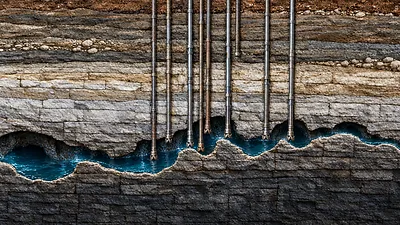
Found at Money Pit, 192 ft underground. Location: the original 1795 excavation shaft on Oak Island, Nova Scotia.