About This Artifact
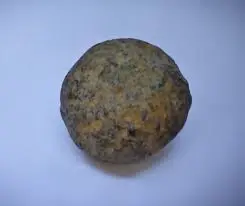
Small fragments of gold-bearing metal recovered from the Money Pit area. Analysis by geoscientist Dr. Christa Brosseau revealed a composition of approximately 65 percent gold and 26 percent copper, with a small amount of silver. Brosseau identified the alloy as consistent with rose gold, but Marty Lagina noted the chemical composition also matched tumbaga, the gold-copper alloy widely used by Inca and Aztec civilisations and later melted down by Spanish conquistadors into bars. Tumbaga was not a single standardised alloy but an umbrella term for a range of gold-copper compositions, with gold content varying from as little as 3 percent to as much as 97 percent. The presence of a gold-copper alloy in the Money Pit does not confirm a South American origin, as copper-gold alloys also occur naturally and were produced in medieval Europe, but it is consistent with the Spanish Connection theory.
Historical Context
The Curse of Oak Island Season 9; Dr. Christa Brosseau analysis
Where It Was Found
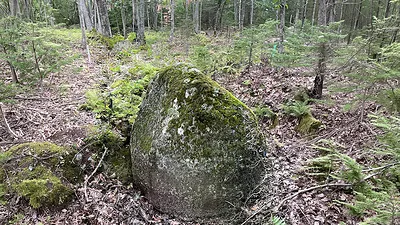
Found at Money Pit area. Location: the original 1795 excavation shaft on Oak Island, Nova Scotia.