About This Structure
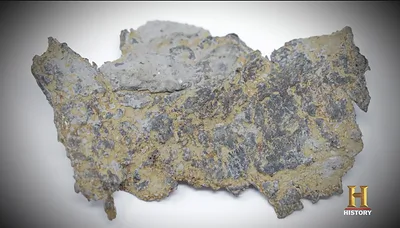
The flagstone layer was the first constructed feature found in the Money Pit. It consisted of a tier of flat stones arranged across the top of a hand-dug shaft at a depth of approximately two feet below the surface. Judge Mather DesBrisay, writing in his 1870 History of Lunenburg County (the first published book to include the Oak Island account), recorded that the stones "differed from the island stones" and that the finders concluded they had been brought from the vicinity of Gold River, several miles to the north. Beneath the flagstones, the shaft walls were tough, hard clay bearing visible pick marks, while the fill inside was loose and easy to remove compared to the surrounding ground.
In the summer of 1795, Daniel McGinnis noticed a circular depression in the ground on the eastern end of Oak Island beneath an oak tree. Some accounts describe a tackle block hanging from the branches overhead, though this detail does not appear in all versions. McGinnis returned with John Smith and Anthony Vaughan, and the three began to dig. Two feet down they struck the flagstone tier. Removing it, they confirmed the shaft below had been previously excavated and refilled. The men continued to roughly thirty feet, finding tiers of oak logs at ten-foot intervals, before the scale of the work forced them to stop. Smith purchased the lot containing the pit later that year. Genealogical research established that McGinnis was thirty-seven at the time, not a teenager as later retellings suggested; he had owned four lots on Oak Island since 1788 and built his home on Lot 21. Smith was nearly twenty, and Anthony Vaughan Sr. was forty-five.
The flagstone layer established from the outset that whoever built the shaft had transported material to the site from outside the island and used it to conceal the opening. In 2023, geologist Terry Matheson identified flat granite slabs near a large boulder on Lot 8 as flagstones of a type he had not seen elsewhere on the island, a find the team connected to the original 1795 discovery.
Historical Context
Original discovery account
Where It Was Found
Found at Money Pit, 2 ft depth. Location: the original 1795 excavation shaft on Oak Island, Nova Scotia.