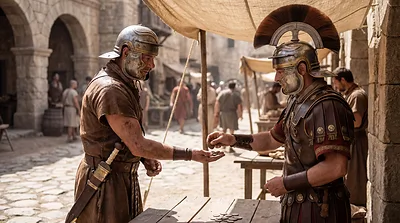
Borehole D.5N26.5 is positioned east of the Garden Shaft to search for a tunnel at 95 feet believed to run westward into the Baby Blob. Dr. Spooner and Dr. Michel have updated their analysis and now place the treasure deposit within a 20-foot radius of the Garden Shaft. While the team waits on a permit to deepen the shaft another 20 feet, they will search the surrounding area for artifacts and evidence of valuables. A core from 78 feet shows soft material suggesting proximity to a structure. On Lot 5, Marty uses heavy equipment to remove large rocks from the circular feature so Laird's archaeology team can reach deeper layers. Previous finds at the site include 17th-century pottery and an iron latch whose metal composition matched artifacts linked to Sir William Phips. Jamie soon recovers a large piece of coarse earthenware that Laird identifies as Anglo American Ware, likely a cooking vessel from the 1770s originating from England or possibly Pennsylvania. Nearby, Gary and Rick search for more coins following three Roman coin discoveries on Lot 5 in the past year. Rick pulls out a decorative strap fragment that could have wrapped a box or chest, followed by a piece of iron Gary thinks could be a fastener.
The key find comes from depth. A core between 98 and 108 feet in borehole D.5N26.5 contains multiple pieces of wood at exactly the right depth and alignment to match the tunnel previously identified on the Garden Shaft's west side. Rick requests carbon-14 testing to determine whether this wood predates the 1860s searcher era. The next day, drilling begins on borehole D5N25.5. Cores from this second hole tell a similar story: soft material at 98 feet that is not typical gray till, which Dr. Spooner says could indicate disturbed soil; slush with small bits of wood at 104 feet suggesting a possible tunnel; and more wood at 111.5 feet at the same depth as the tunnel. The team decides to drill another borehole.
At the Interpretive Center, Carmen Legge studies the iron latch from the circular feature and notices wear at the bottom but no mushroom shape at the top, telling the team this was a latch inserted once and left permanently rather than opened and closed repeatedly. Emma's XRF confirms a 100 percent match to artifacts from the William Phips birthplace site. Carmen examines the chunky iron piece next and identifies it as the broken end of a tunneling or mining tool, originally about one foot long. The decorative strap he calls early French, a piece made for wooden boxes and chests. Carmen tells the group that the artifacts coming from Oak Island are things he has not seen anywhere else.
Emma then presents analysis of wood samples from boreholes DN12 and D.5N26.5. The XRF shows high potassium and aluminum but no gold, silver, or tin. What she did not expect to find at that depth is palladium, measured at 0.39, a reading she calls high. Moya notes that palladium occurs naturally in gold and platinum deposits. The element was classified in 1803 by English chemist William Hyde Wollaston but has been associated with articles made of gold, silver, and platinum dating back to the ancient Egyptians. Scott suggests checking the water for palladium and Steve recommends carbon dating the wood. Rick tells the group they will retest and make decisions based on those results.