
The Oak Island Swamp
The triangle-shaped swamp at the centre of Oak Island has yielded stone roads, survey stakes, shi...
244 of 337 catalogued finds on the island carry estimated dates. The curve below counts how many artifact ranges cover each year from 200 CE to 1900, peaking around 1700 (123 overlapping ranges).
Hover the curve to inspect any year. Click to lock the year and reveal the full list of artifacts below the chart. Tap any year to inspect overlapping artifact ranges. Lock the year to see the full list below the chart.

The curve plots each of the 244 island finds with a known date across the full span of its possible dates, then sums those spans year by year. This is aoristic analysis, the archaeological best practice for determining date windows.
Ratcliffe, J. H. (2000). Aoristic analysis: the spatial interpretation of unspecific temporal events. Int. J. Geographical Information Science 14(7), 669–679. · Crema, E. R. (2012). Modelling temporal uncertainty in archaeological analysis. J. Archaeological Method and Theory 19(3), 440–461.
Eight discoveries that anchor the timeline, from a third-century Roman bronze to a 1770 dendrochronology reading.
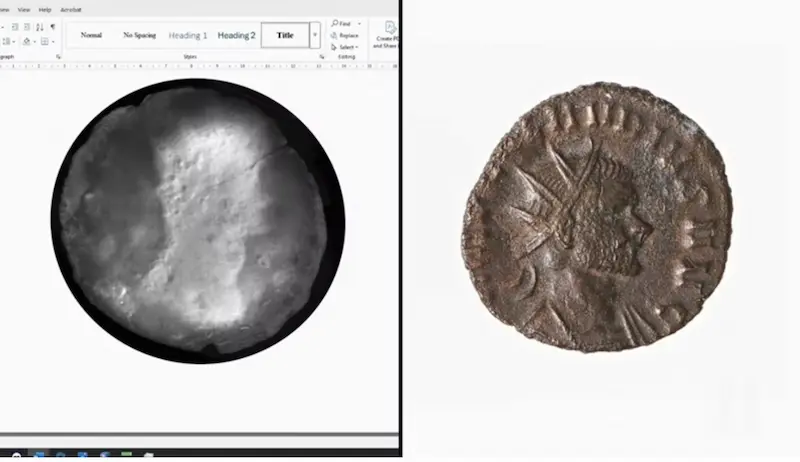
Bronze coin tied to a three-year Roman reign.
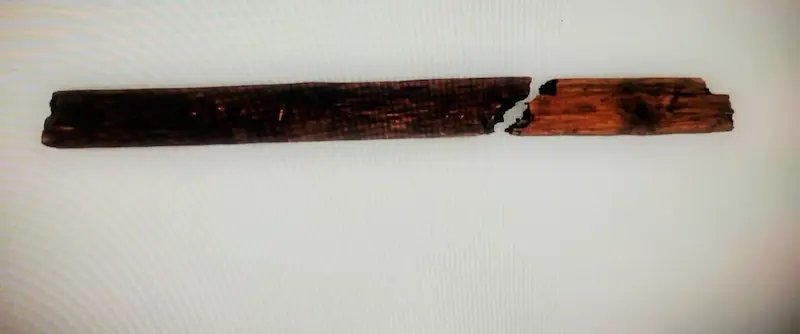
Carved timber that predates the recorded discovery by a thousand years.
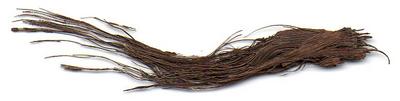
Tropical fibre, carbon-dated, from the Smith's Cove drain feature.
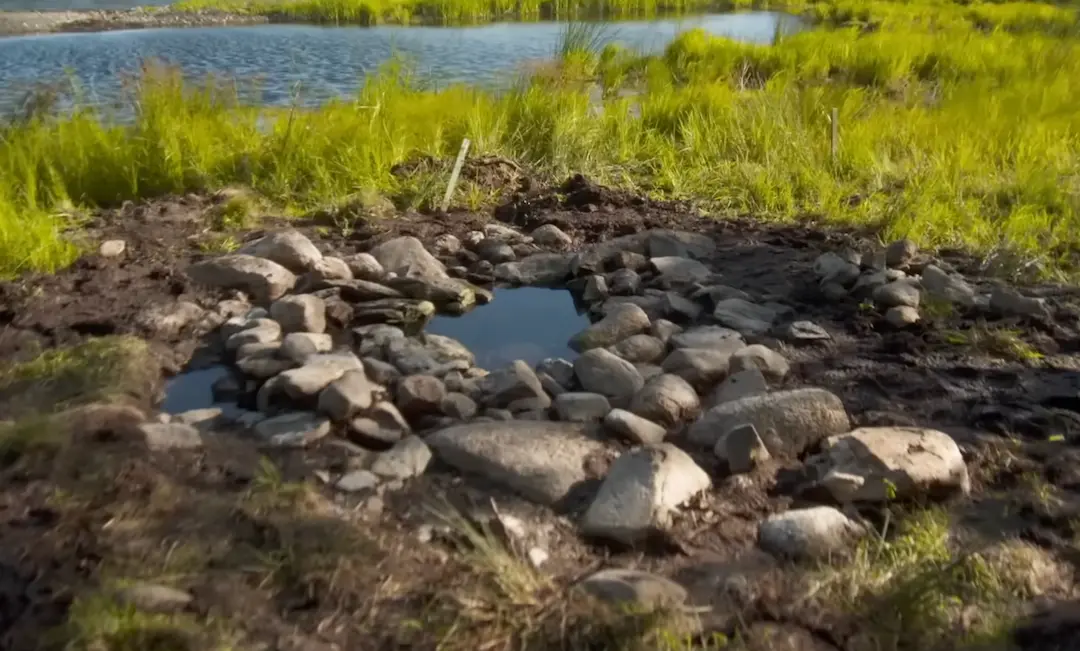
Medieval-dated stone shaft on Lot 26 that, by local report, has never frozen.
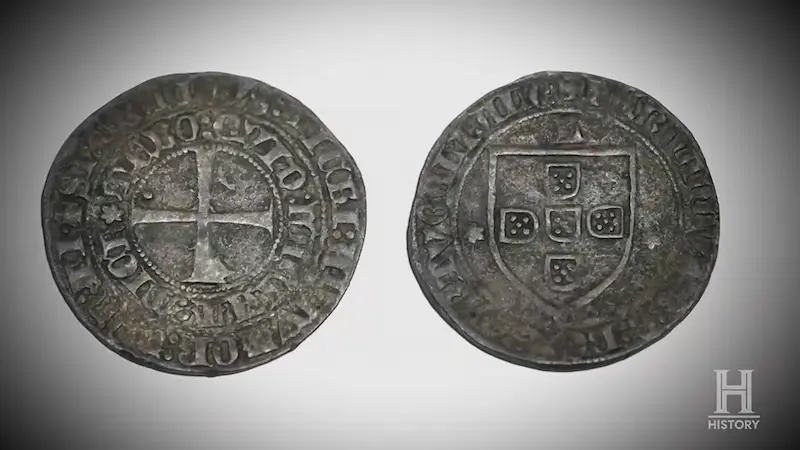
Earliest dated European coin recovered on the island.
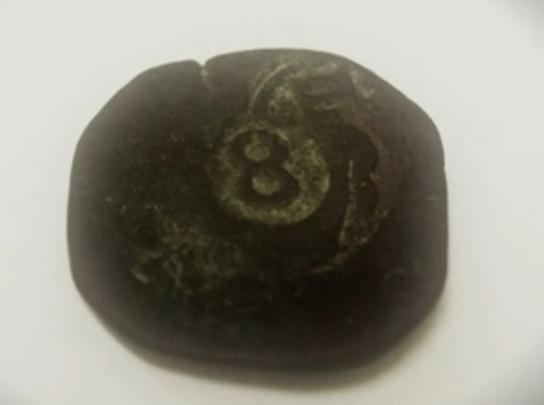
Copper coin dated to 1652, found beneath the swamp pathway.
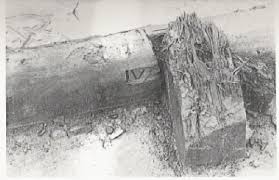
Marked oak timber with a 1770 dendrochronology reading.
The triangle-shaped swamp at the centre of Oak Island has yielded stone roads, survey stakes, shi...

Captain Henry Bowdoin's 1909 Oak Island expedition: FDR as investor, 25 boreholes to 171 feet, an...

The trees that gave Oak Island its name were never oaks. Forensic botanical analysis identifies t...