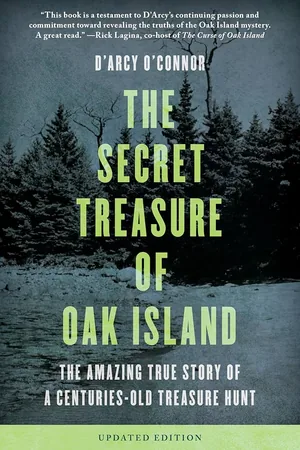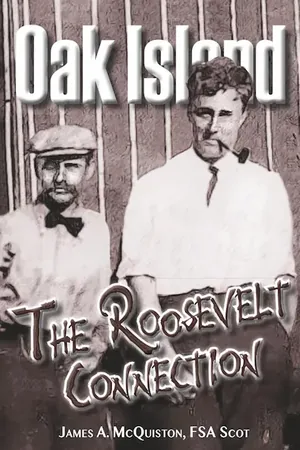
Since 1795, the question has never changed: what is down there? The Money Pit's layered construction, its flood tunnel defences, and the sheer scale of engineering all point to something worth extraordinary effort to conceal. But the theories about what that something might be vary enormously, from chests of pirate coins to the most sacred objects in religious history.
What follows is not a ranking. It is an inventory. Each entry describes the object itself: what it looks like, what it is made of, what it weighs, and why someone might have buried it on a small island off the coast of Nova Scotia.
The Menorah
2 min
The golden Menorah of the Temple of Solomon was a seven-branched candelabrum hammered from a single block of pure gold. According to the Book of Exodus, it weighed one talent, roughly 34 to 45 kilograms of solid 24-karat gold. The Talmud records its height as 18 handbreadths, placing it at approximately five feet tall. Its central shaft and six curving branches were decorated with 22 cups shaped like almond blossoms, 11 ornamental knobs, and nine flowers, all beaten from the same piece of metal. Seven oil lamps sat atop the branches, burning pure olive oil from evening to morning.
When Solomon built the First Temple in Jerusalem around 970 BC, he commissioned ten such candelabra, five along each wall of the inner sanctuary. The Second Temple, rebuilt after the Babylonian exile, held a single Menorah. In 70 AD, Roman legions under Titus sacked Jerusalem and carried the Menorah to Rome. The Arch of Titus, still standing in the Forum, depicts Roman soldiers bearing it in triumph. After that, the Menorah vanishes from the historical record. Some traditions hold it never left Rome and remains in the Vatican cellars. Others believe the Vandals took it when they sacked Rome in 455 AD.
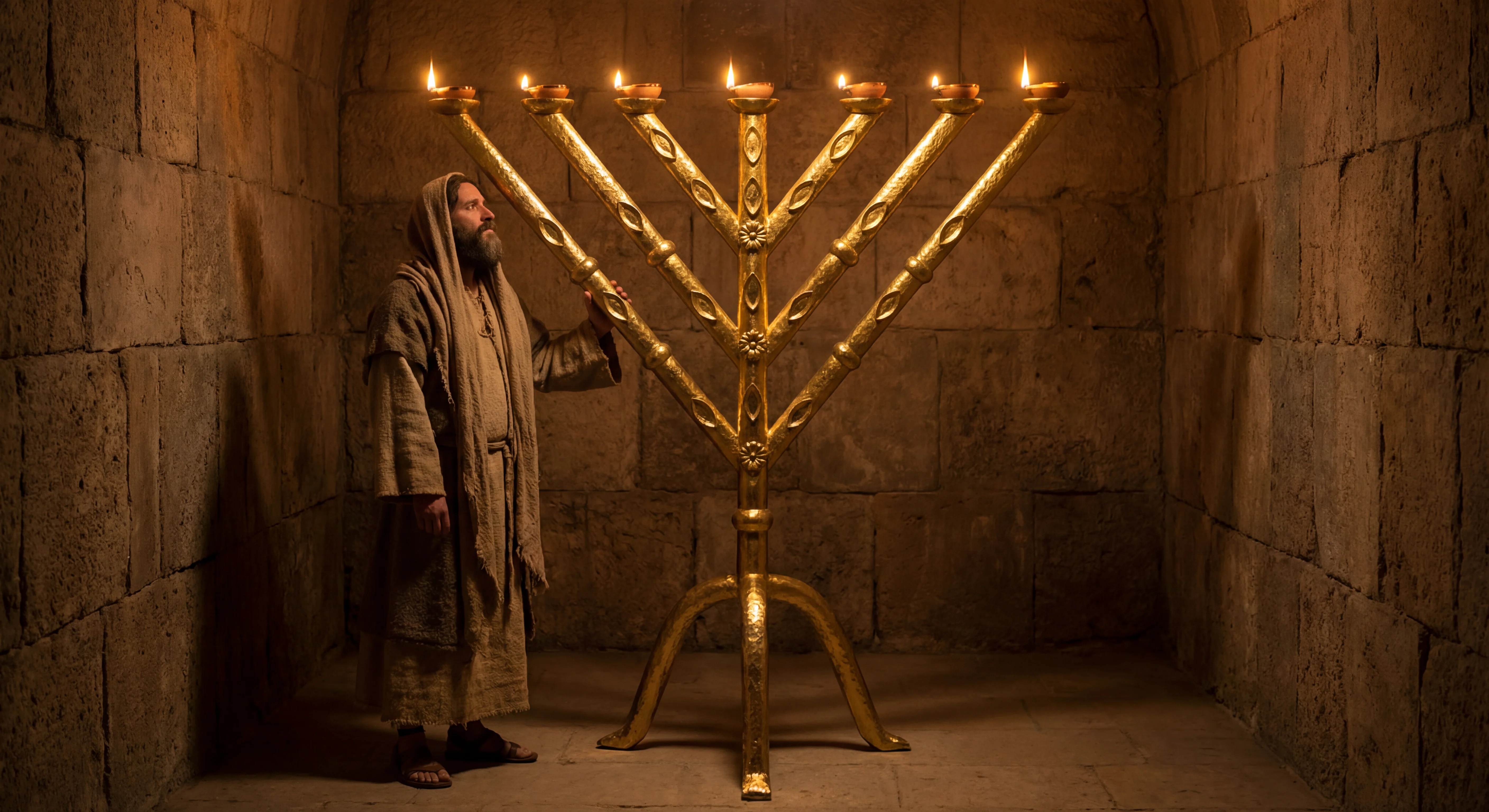 The Menorah from Temple Mount→
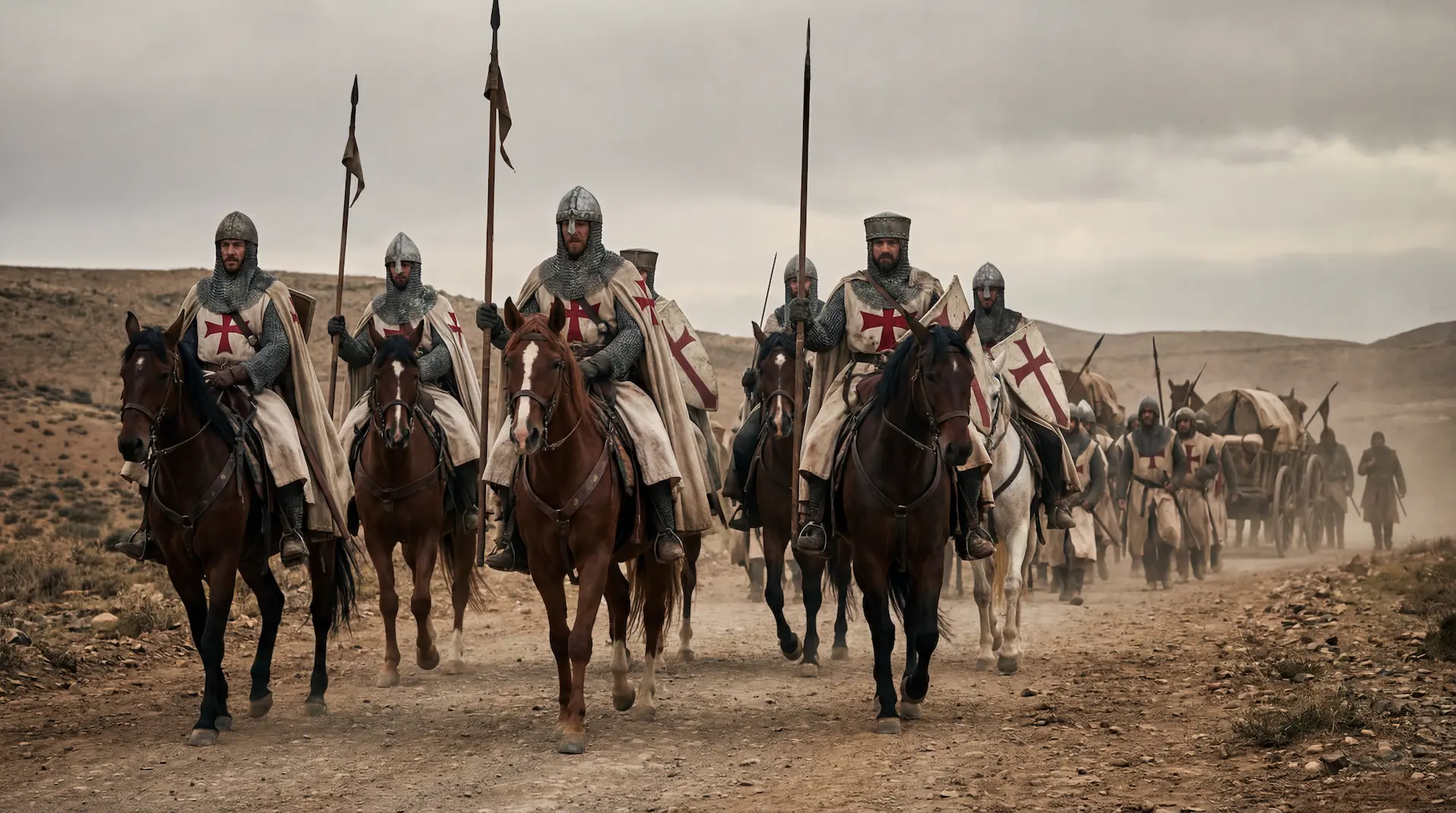 The Knights Templar on Oak Island→
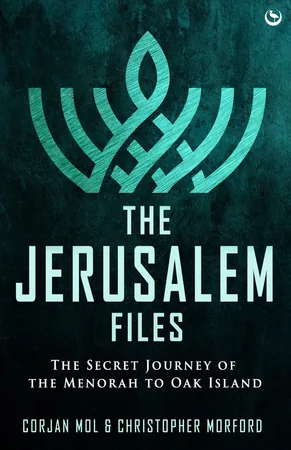
The Templar theory proposes a different path. The Knights Templar, headquartered on the Temple Mount in Jerusalem from 1119 to 1291, are said to have excavated beneath the ruins of Solomon's Temple. If they recovered the Menorah or learned its location, they possessed both the means and the motive to transport it far from any power that might seize it. The case for the Menorah's journey from Jerusalem through medieval Europe to North America is explored in detail in The Jerusalem Files (Watkins / Penguin Random House). On Oak Island itself, the lead cross found at Smith's Cove has been traced through lead isotope analysis to medieval mines in southern France, and coconut fibre from the Money Pit returns radiocarbon dates squarely in the Templar era. Norwegian researcher Petter Amundsen has argued that Shakespeare's First Folio contains steganographic ciphers pointing to Oak Island, with the Menorah as the ultimate prize.
The Ark of the Covenant
1 min
The Ark of the Covenant was a rectangular chest built from acacia wood, measuring two and a half cubits long by one and a half cubits wide and high, roughly 130 by 80 by 80 centimetres, or about four feet by two and a quarter feet. The wood was overlaid inside and out with pure gold. Four gold rings were fixed near its feet, through which gold-covered acacia poles were inserted for carrying. The poles were never to be removed.
On top of the chest sat the mercy seat, a slab of solid gold the same dimensions as the Ark. At each end, a golden cherub was hammered from the same piece as the cover, their wings stretching toward each other, forming a throne. God was said to speak to Moses from the space between the cherubim. Inside the Ark rested the stone tablets of the Ten Commandments, a golden pot of manna, and Aaron's rod that had miraculously budded. Estimates of the Ark's total weight range from 150 to nearly 300 kilograms, depending on the thickness of the gold overlay. Four men carried it on poles.
The Ark disappeared around 586 BC when Nebuchadnezzar's Babylonian army destroyed Solomon's Temple. The Bible records that Babylon carried away the Temple's vessels, but the Ark is never mentioned among them. Ethiopian tradition claims it rests in the Church of Our Lady Mary of Zion in Axum, guarded by a single monk. Templar legend proposes that the knights found it beneath the Temple Mount during the Crusades. If the Templars did possess the Ark, Oak Island, remote, defensible, and protected by an ingenious flood system, would represent exactly the kind of vault required for the most sacred object in Judeo-Christian tradition.
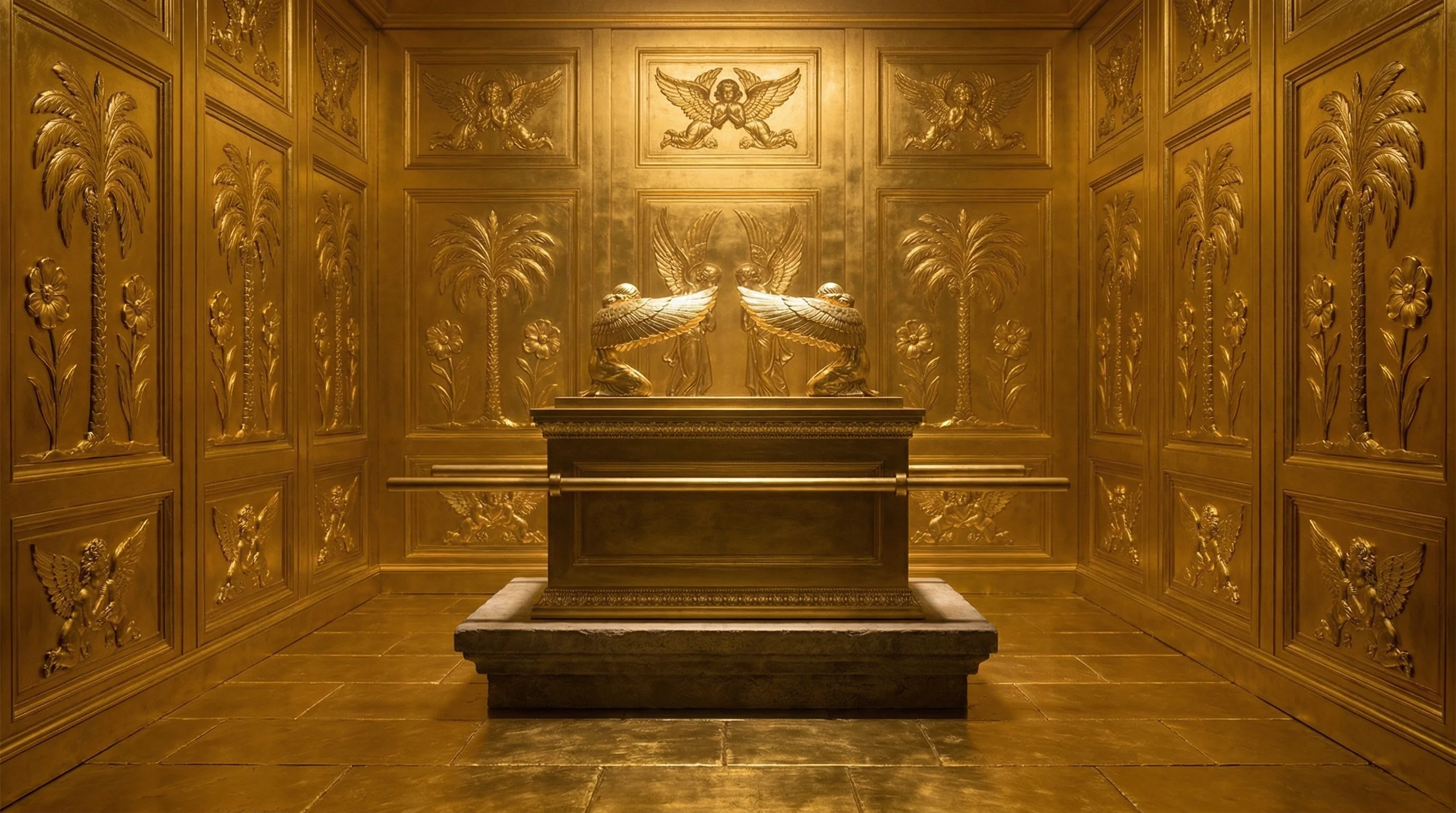 The Ark of the Covenant→
Bacon's Manuscripts and Tomb
1 min
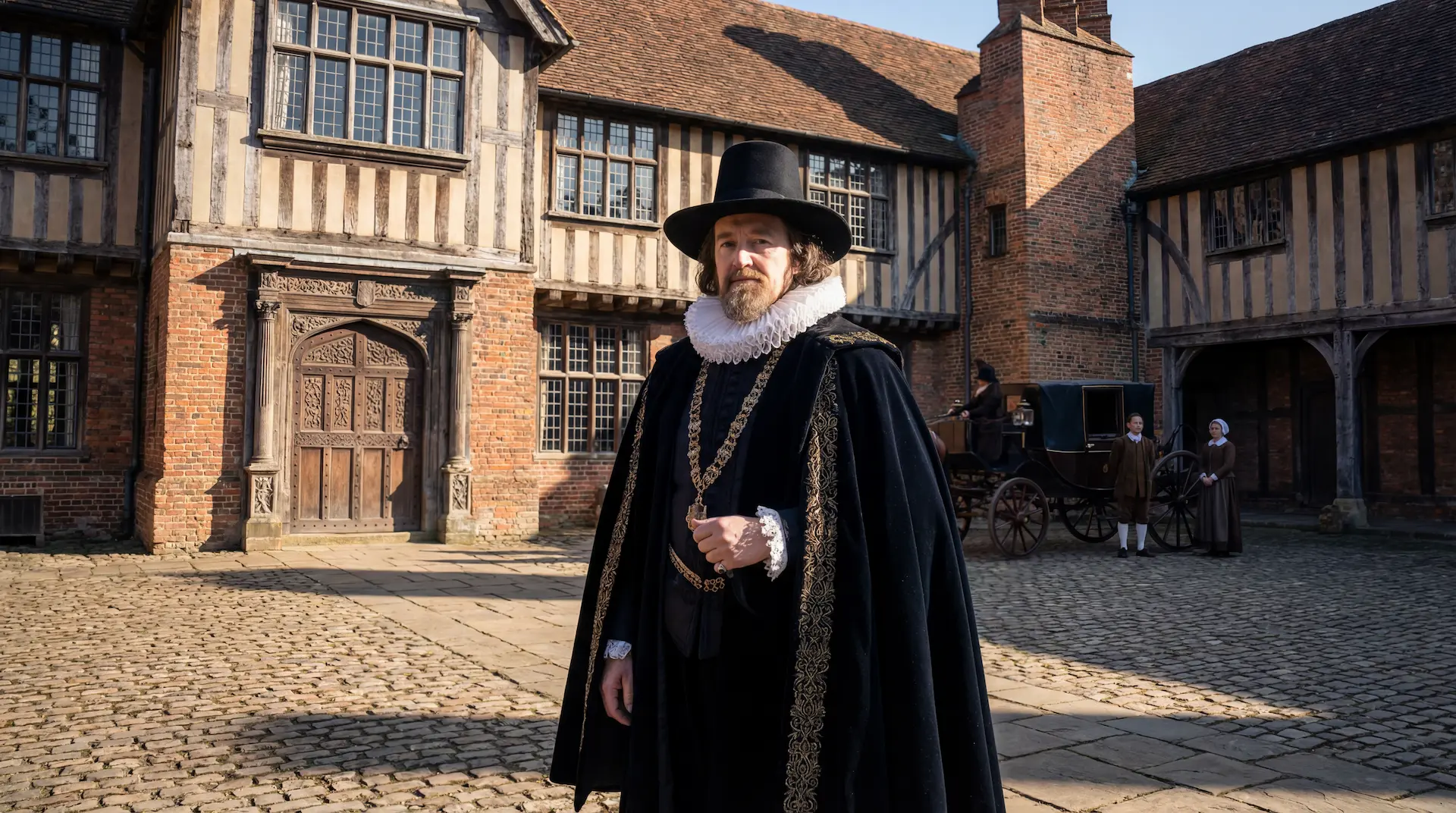
Sir Francis Bacon (1561 to 1626) was a philosopher, statesman, scientist, and, according to his devotees, the true author of Shakespeare's plays. Baconians contend that his original manuscripts have never been found because they were deliberately hidden. Bacon himself wrote about exactly how to do it.
In his Sylva Sylvarum, published posthumously in 1627, Bacon described the preservation of documents in quicksilver. Experiment 100, placed on page 33, reads: thin materials like paper or parchment submerged in mercury would "never change, though they be in their nature never so perishable or mutable." The numbering was itself a cipher to Baconians: 100 is the simple cipher value of FRANCIS BACON, and 33 corresponds to BACON and the highest degree of Freemasonry.
The theory proposes that Bacon's original Shakespeare manuscripts were sealed in a lead box filled with mercury and buried on Oak Island. The supporting evidence is circumstantial but persistent. In 1610, King James I granted Bacon land in Newfoundland. Bacon's servant Thomas Bushell was an expert in recovering flooded mines using Cornish miners, managed a Royal Mint, and defended the island of Lundy before disappearing from public life for several years. Mercury residue was reportedly found in flasks on Oak Island in 1937, though this has never been independently verified. Mercury was detected in swamp soil samples during Season 7 of the television series. And a parchment fragment with ink markings was recovered from the Money Pit at a depth of 153 feet in 1897, with leather book binding fragments found during later drilling.
The most extreme version of the theory goes further than manuscripts. Some researchers believe that Bacon's body itself was preserved in mercury and entombed on the island, a Rosicrucian vault for the man his followers consider the secret father of the modern age. Bacon reportedly stated that he would be "known for who he really is long after his death."
Shakespeare's First Folio
1 min
If the Baconian theory is correct, the physical evidence would take a specific form. Shakespeare's First Folio was published in 1623, seven years after the Stratford actor's death. It is a large folio-format volume, roughly 33 by 22 centimetres, running to nearly 900 pages, and contains 36 plays, 18 of which had never appeared in print before. Of the approximately 750 copies originally printed, around 235 survive today. Individual copies have sold at auction for over ten million dollars.
But the Folio itself is the printed version. What Baconians believe lies beneath Oak Island are the handwritten originals: manuscripts in Bacon's own hand proving he wrote Hamlet, Macbeth, The Tempest, and the rest. Annotated drafts, private correspondence, possibly an autobiographical confession revealing the greatest literary deception in history. If such documents were preserved in mercury inside a sealed lead container, they could theoretically survive centuries underground. Their discovery would overturn more than four centuries of literary scholarship and rewrite the cultural history of the English-speaking world.
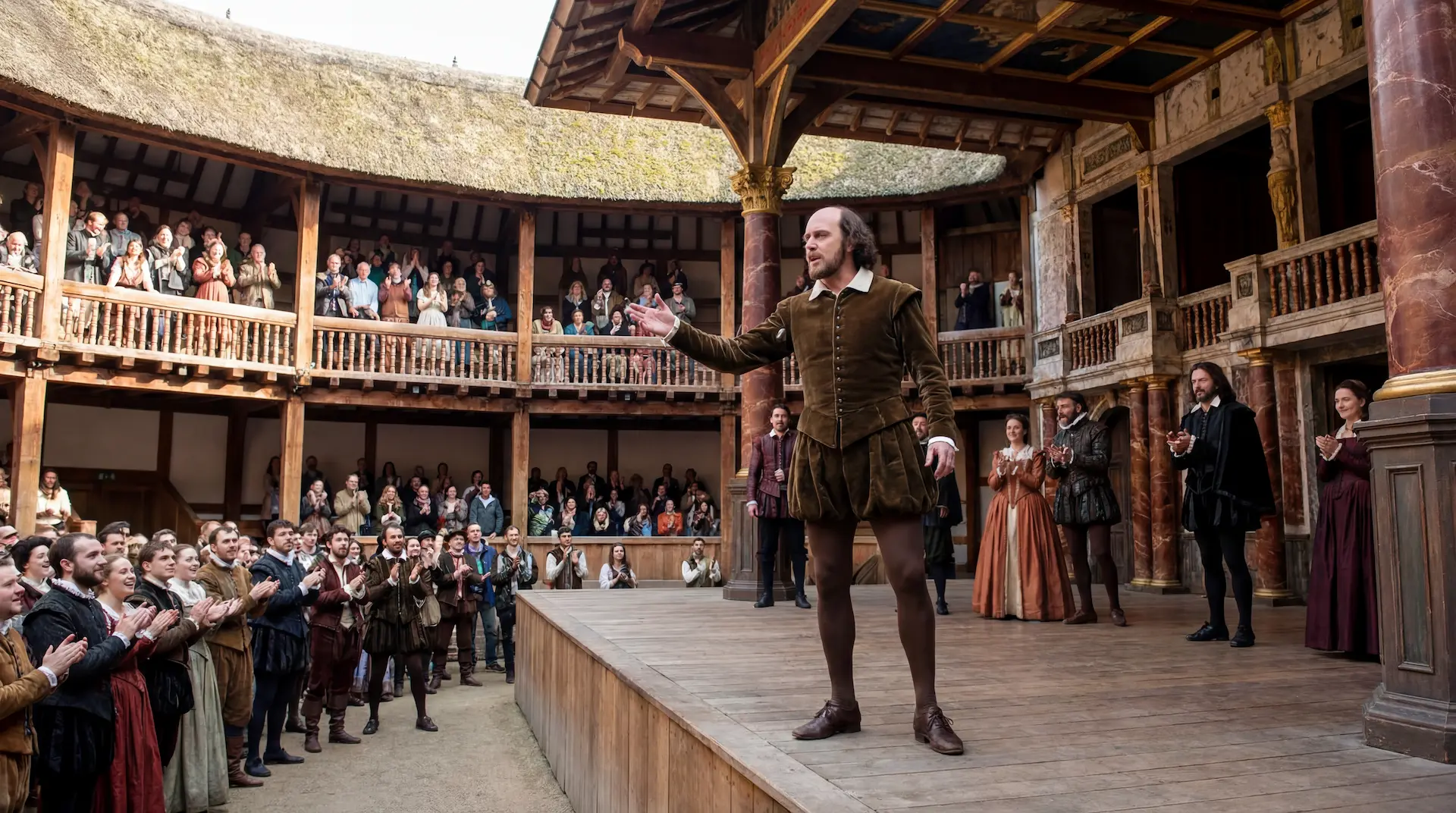 Shakespeare and Oak Island→
The Treasure of St Andrew's Cathedral
1 min
St Andrew's Cathedral on the east coast of Scotland was once the largest church in the country and the seat of Scottish Catholicism. When the Reformation swept Scotland in 1559 and 1560, Protestant reformers sacked the cathedral, destroying relics, smashing altarpieces, and burning what they could reach. The ruins still stand today.
But the clergy had warning. The theory proposes that before or during the upheaval, the cathedral's most valuable possessions were removed for safekeeping: gold and silver ceremonial plates, gem-encrusted reliquaries, chalices, crucifixes, vestments embroidered with gold thread, and sacred vessels accumulated over centuries of worship. Scotland's Catholic establishment had connections to France, and France had connections to Nova Scotia. The timeline aligns with several artifact dates on the island. Whether these treasures were smuggled to the New World by sympathetic clergy or through French naval operations active in the region during the 16th century remains speculative, but the scale of what went missing from St Andrew's has never been fully accounted for.
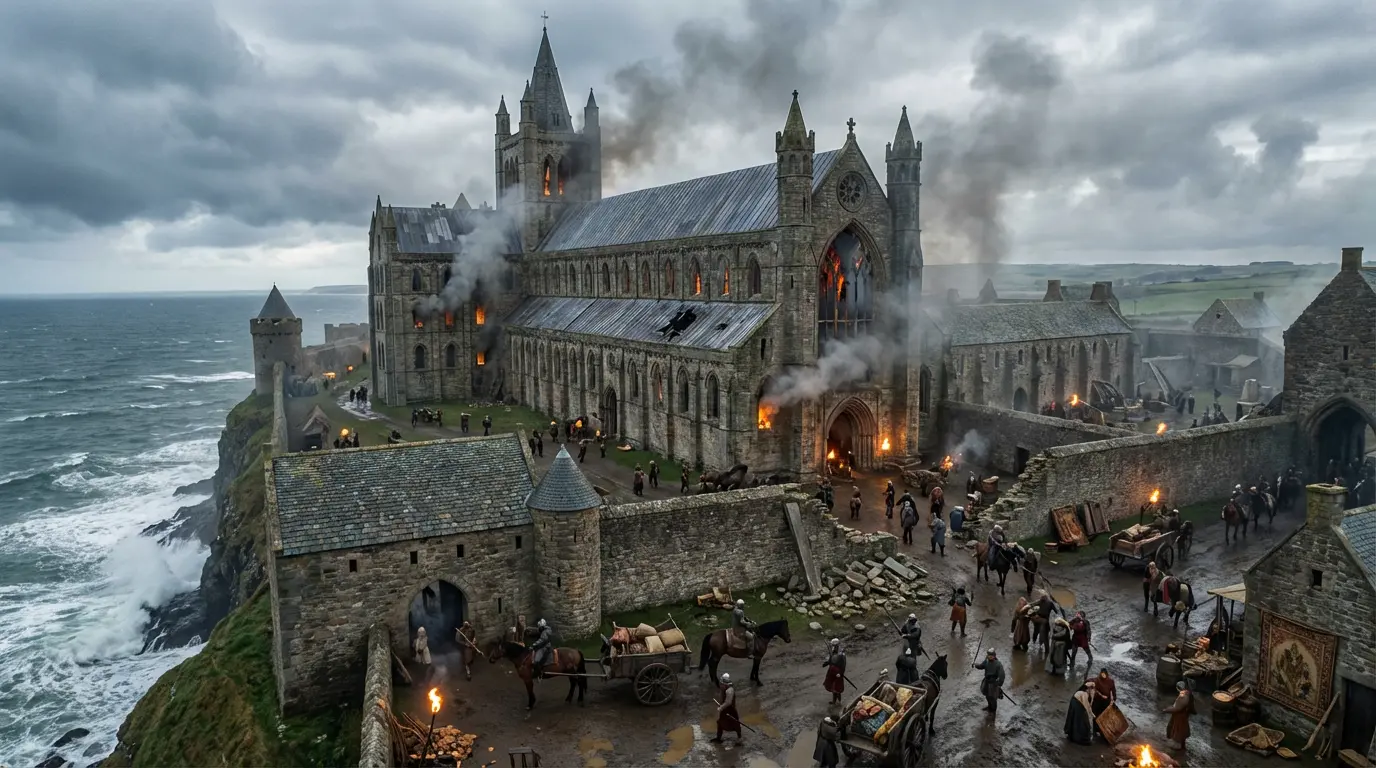 The Treasure of St. Andrew's Cathedral→
Sacred Relics of the Crusades
1 min
The Knights Templar were not merely soldiers. They were the self-appointed guardians of Christendom's holiest objects. During the Crusades, an extraordinary number of sacred relics circulated through the Christian world: fragments of the True Cross on which Christ was crucified, the Crown of Thorns, the Holy Lance that pierced his side, the Shroud said to bear his image, and countless lesser relics including bones of saints, vials of holy blood, and pieces of the Virgin's veil.
The Templars were specifically accused during their trials between 1307 and 1312 of possessing and worshipping mysterious objects, including a bearded head known as Baphomet. Whether these accusations were fabricated by Philip IV of France to justify seizing Templar wealth, or whether the order did possess sacred objects they refused to surrender, remains one of the central questions of medieval history. What is certain is that when the mass arrests came on Friday, 13 October 1307, the Templar fleet vanished from the port of La Rochelle and was never seen again.
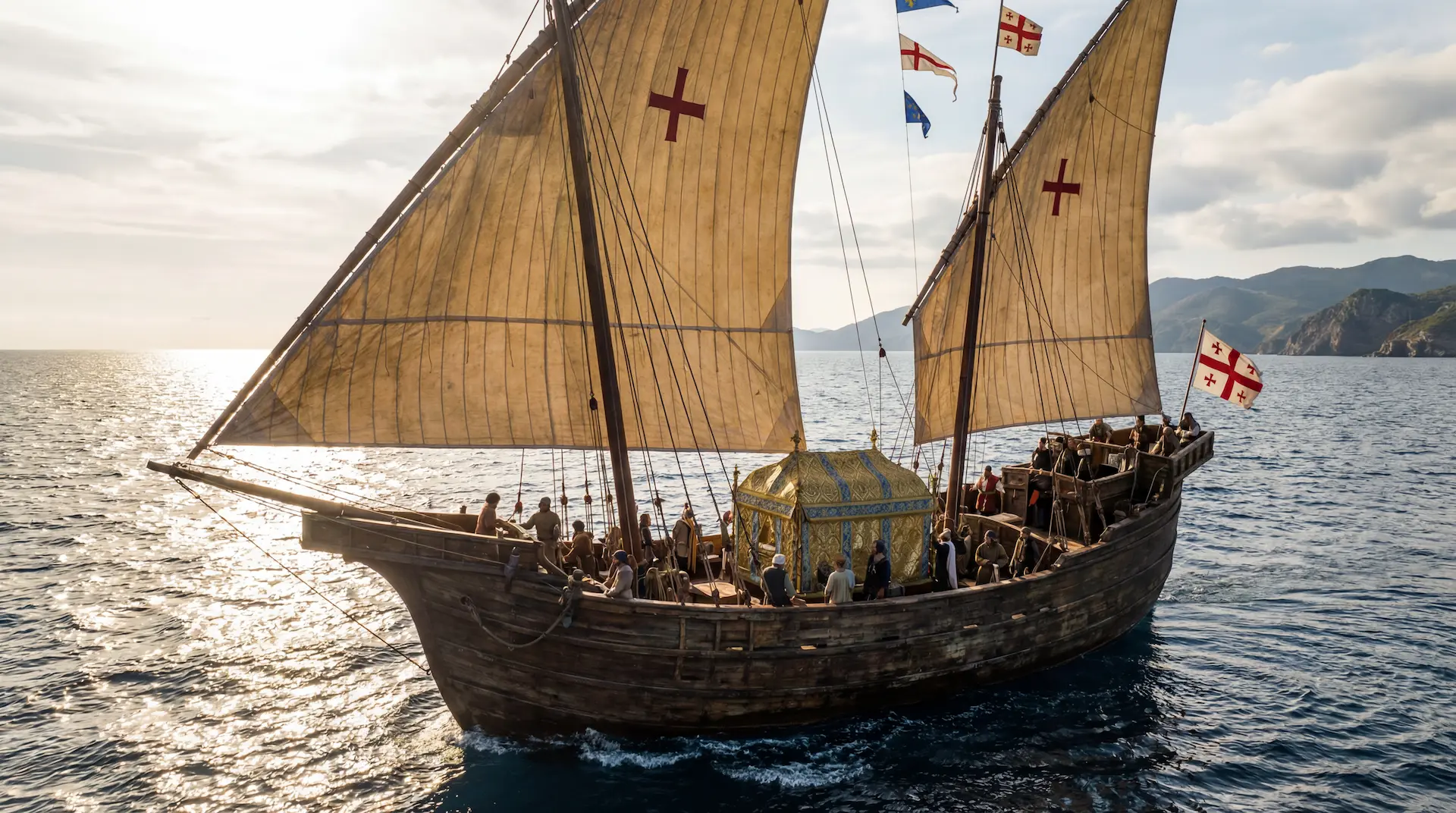 Sacred Cargo, Relics crossing Oceans→
On Oak Island, human bone fragments recovered from the Money Pit in 2017 included remains of two individuals: one of European descent, one of Middle Eastern origin, both centuries old. Whose bones required burial in the most elaborate tomb ever constructed in the New World? A Templar knight returned from the Holy Land? A saint whose relics demanded protection? The bones do not answer. But their presence, at a depth of 190 feet in a shaft protected by flood tunnels, suggests that whoever was buried there was considered worth protecting at extraordinary cost.
 Human bone fragments (2 individuals)→
The Holy Grail
1 min
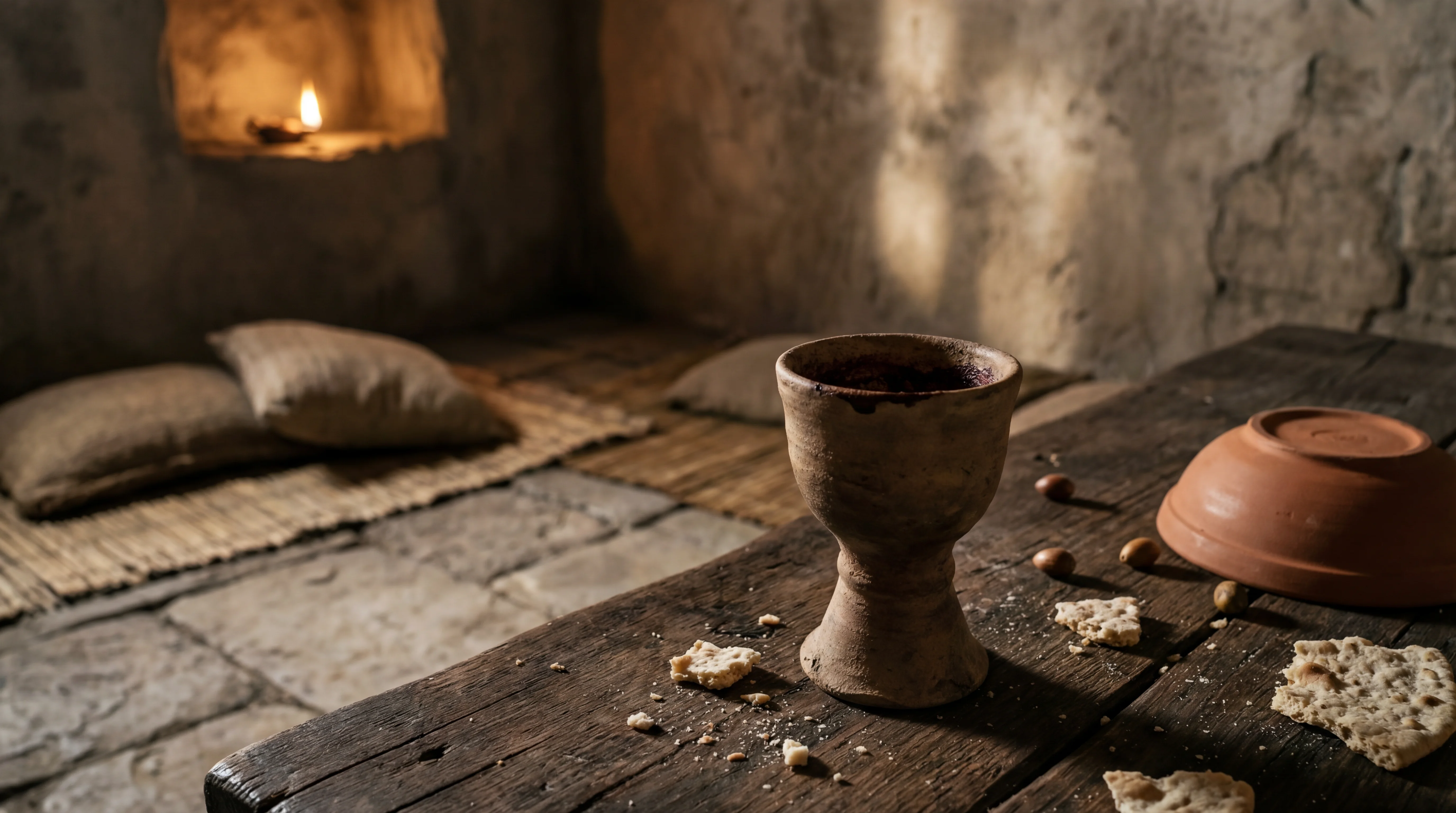
The Grail has no single physical form. In the earliest accounts, by Chrétien de Troyes in the 1180s, it is simply a serving dish. Robert de Boron, writing a decade later, transformed it into the cup used by Christ at the Last Supper and later used by Joseph of Arimathea to collect his blood at the crucifixion. Wolfram von Eschenbach's Parzival, composed around 1210, reimagined it as a stone fallen from heaven with the power to sustain life. Later traditions settled on the image most familiar today: an ornate golden chalice, sometimes studded with jewels, radiating divine light.
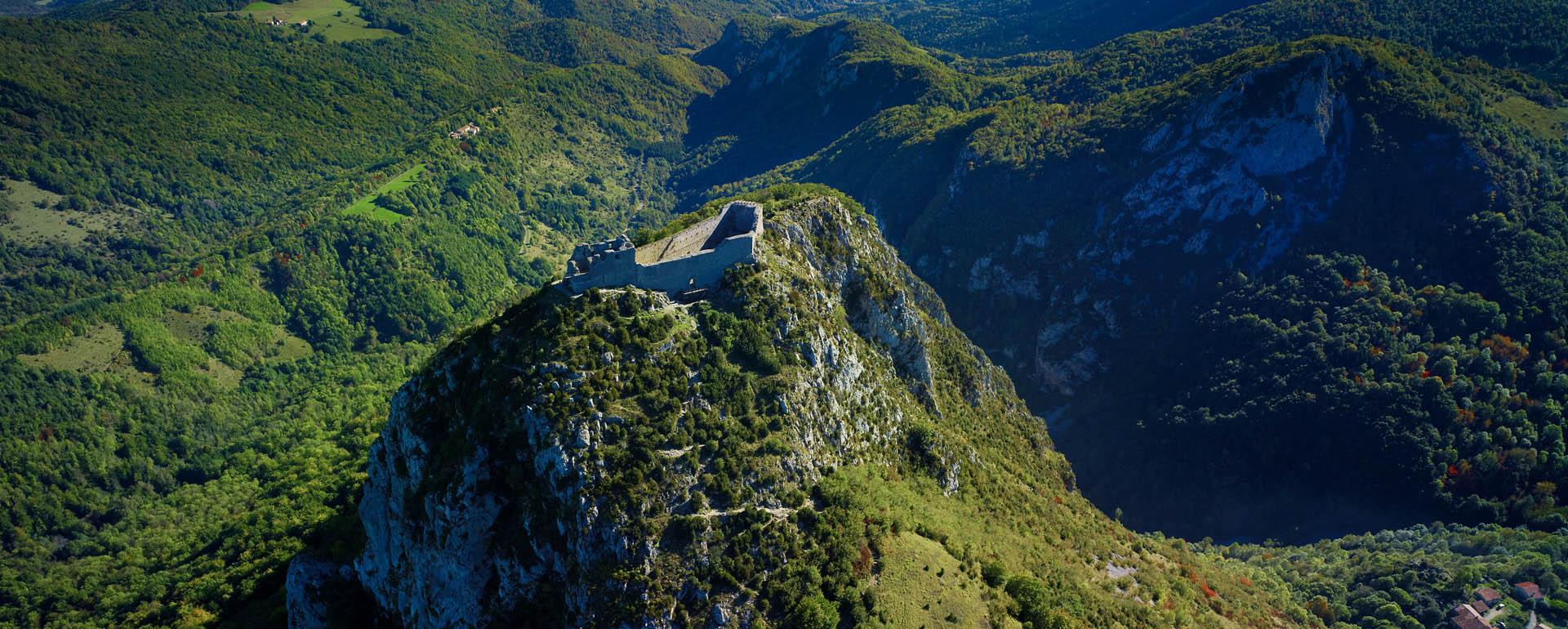
Whatever its form, the Grail legend and the Templar story are inseparable. The Grail romances emerged at exactly the same time the Templars were at the height of their power, and Wolfram explicitly connected his Grail guardians to a knightly order modelled on the Templars. The fortress of Montségur in southern France, a Cathar stronghold that fell in 1244, carries its own legend: that treasure was smuggled out the night before the garrison surrendered. Some believe that treasure was the Grail itself, passed into Templar hands and eventually carried beyond the reach of any European monarch.
Marie Antoinette's Jewels
1 min
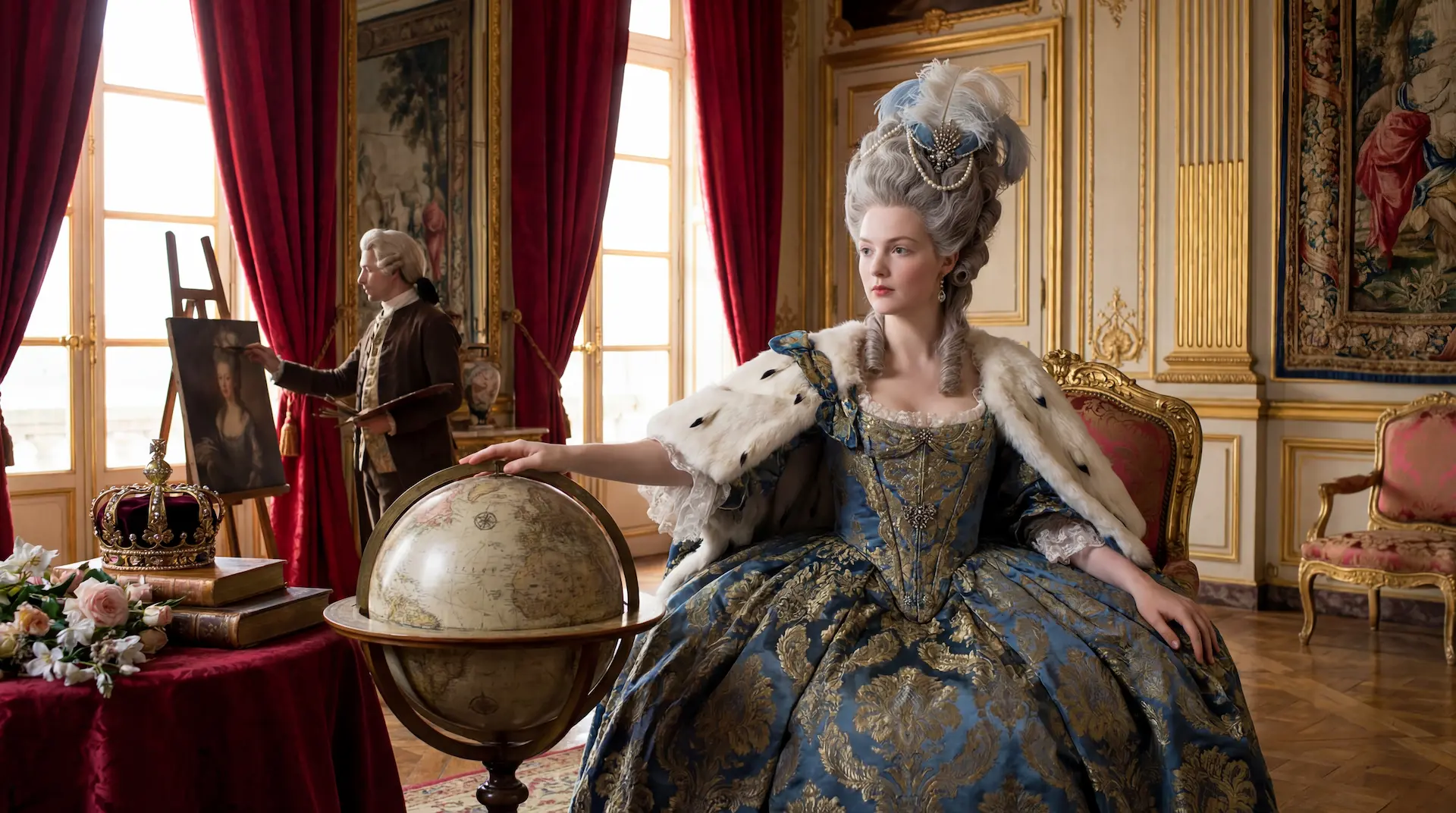
When the French Revolution erupted in 1789, the French Crown Jewels became targets of both revolutionary fury and opportunistic theft. Marie Antoinette is known to have sent jewels and personal valuables to trusted allies for safekeeping before her imprisonment. Among her collection were diamonds of extraordinary size and quality, sapphires, rubies, pearls, and the accumulated treasures of the Bourbon dynasty.
The theory proposes that jewels smuggled out of France were transported to Nova Scotia, which had deep French colonial ties stretching back to the early 1600s. French naval officers loyal to the crown would have known the coastline. The timing presents a challenge: 1789 is late for the Money Pit's original construction, which the coconut fibre dates to between 1036 and 1374 AD. But if the Pit had been opened and resealed across centuries, as the layered platforms suggest, a late-18th-century deposit is not impossible. The three gold chain links recovered from the Money Pit in 1849 remain the only gold ever brought up from below.
 The Jewels of Marie Antoinette→
Pirate Gold
1 min
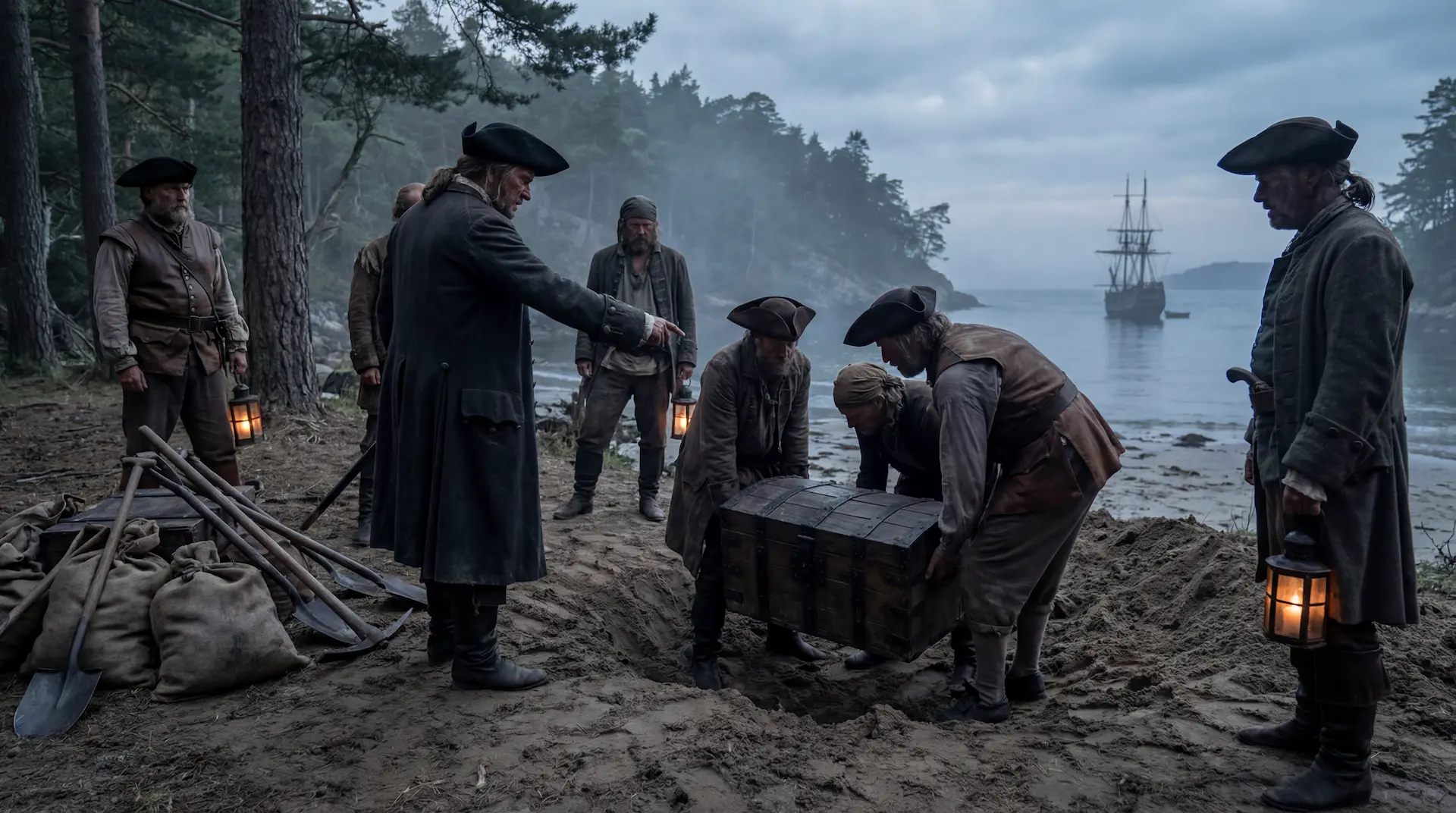
Captain William Kidd, born around 1654 in Scotland, began his career as a licensed privateer before being accused of piracy and hanged in London in 1701. Before his arrest, Kidd buried a portion of his treasure on Gardiners Island off Long Island, New York. It was recovered and used as evidence against him at trial. But Kidd claimed to have buried far more than was found, and he offered to lead authorities to the rest in exchange for his life. The offer was refused.
The pirate theory proposes that Kidd, or other pirates operating in the waters between the Caribbean and Nova Scotia, used Oak Island to cache plunder: Spanish pieces of eight, gold doubloons, silver bars, and jewels stripped from captured ships. The three gold chain links found in 1849, resembling those of a watch chain, are consistent with this theory but prove little on their own. The Money Pit's engineering, however, seems vastly disproportionate to a pirate hoard. Pirates buried treasure to retrieve it quickly. They did not construct flood tunnels, layered platforms of oak and coconut fibre, and stone drainage systems spanning hundreds of feet. Whoever built the Money Pit intended something far more permanent than a temporary cache.
 Pirates & Privateers on Oak Island→
Multiple Depositors
1 min
Perhaps the most compelling possibility is that no single theory is correct because no single group was responsible. The Money Pit's layered construction, with platforms at regular ten-foot intervals, is consistent with a vault that was opened and resealed multiple times across centuries. The coconut fibre returns medieval dates. The parchment fragment suggests documents buried in the 19th century or earlier. The human bone fragments point to a deliberate burial. The lead cross and the decorative lead piece share identical lead isotope signatures from pre-15th-century French mines, found on opposite sides of the island.
Perhaps the Templars built the original vault. Perhaps later visitors, Rosicrucians, French military engineers, or others who inherited knowledge of the site, added their own deposits. Perhaps pirates stumbled upon the island without understanding what lay below. The hand-wrought iron spike dates to the 1100s. The Portuguese Tornés coin dates to 1369. The iron swages date to the 1300s. The hand cannon barrel dates to the 1200s through the 1500s. Someone was on Oak Island during the medieval period. Someone was working metal, carrying weapons, and building structures. And someone buried something they considered worth protecting with one of the most elaborate engineering projects ever constructed in the New World.
The evidence points in many directions. The theories compete. But the island keeps its secrets still.