About This Structure
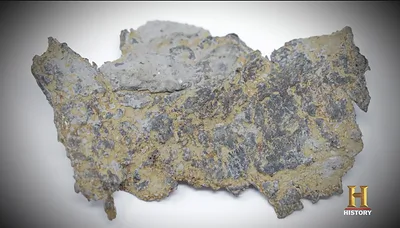
The spruce platform is a six-inch-thick layer of spruce wood encountered at ninety-eight feet in the Money Pit, directly below the lowest oak platform. It was first identified in 1849 when the Truro Company lowered a pod auger into the flooded shaft. The platform sat at precisely the depth where the Onslow Company men had struck something solid with a crowbar in 1803, confirming that the earlier probing had been accurate.
Jotham McCully, the Truro Company's site manager, left a first-person account of the drilling. After the auger passed through six inches of spruce, it dropped twelve inches through empty space before striking four inches of oak. Below that lay twenty inches of loose metal, then eight inches of oak, another twenty inches of metal, four inches of oak, six inches of spruce, and finally seven feet of previously worked clay before reaching undisturbed virgin clay beneath. A second borehole struck the same platform at the same depth, with the auger dropping slightly further before hitting what McCully described as the side of a cask or barrel; splinters of oak stave and pieces of birch hoop came up on the bit.
The spruce platform appears to mark the top of a sealed deposit distinct from the oak platform system above. The Truro Company's attempt to physically descend to this level failed when the flood tunnel activated overnight and filled the shaft with seawater to tide level. Every subsequent drilling program in the Money Pit area has used the ninety-eight-foot spruce platform as a reference marker, but no excavation team has physically reached it since the shaft flooded in 1803.
Historical Context
Truro Company drilling
Where It Was Found
Found at Money Pit, 98 ft depth. Location: the original 1795 excavation shaft on Oak Island, Nova Scotia.