About This Structure
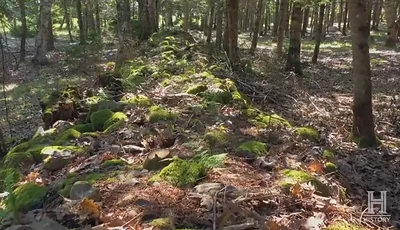
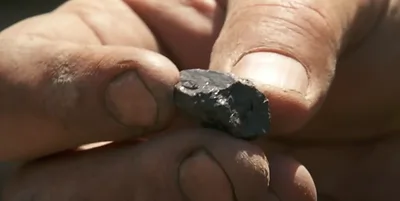
A 32-foot-long formation of deliberately stacked multi-ton boulders discovered buried beneath the surface of Lot 13 in 1993 by surveyor and treasure hunter Fred Nolan. Nolan documented the feature in his unpublished book but was unable to determine its purpose before his death in 2016. His son Tom later shared the manuscript with the Lagina team, prompting excavation in Season 10. The dig revealed three layers of massive boulders stacked deliberately and buried underground. Beneath the stones, at roughly four feet depth, the team found a thick seam of blue clay - a material that does not occur naturally in that area of the island. Geoscientist Dr. Ian Spooner confirmed the clay could not have formed there geologically. The same distinctive blue clay has been found at 40 feet in the original Money Pit, where it served as a waterproof sealant, and at the Eye of the Swamp. Additional clay layers showed signs of burning or intense heat, and burnt sticks recovered from the site matched charred material previously found beneath the Stone Road in the swamp. A large hand-forged iron staple was found embedded in the excavation wall. Blacksmithing expert Carmen Legge identified it as a fastener from a rope and pulley system used to move massive stones into position, and assessed it as potentially medieval in origin. Archeometallurgist Emma Culligan's XRF analysis confirmed it was 98% iron with trace elements consistent with older furnace technology. The combination of stacked boulders, waterproofing clay, burnt material, and a potentially medieval fastener points to a deliberate, labour-intensive construction predating the 1795 discovery of the Money Pit.
Historical Context
Season 10, Episode 18
Where It Was Found
Found at Lot 13, found by Fred Nolan. Location: Oak Island, Nova Scotia, Canada.