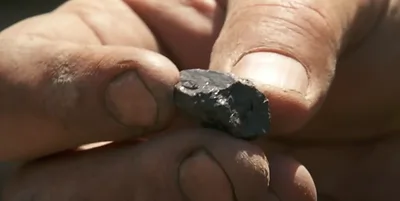
About This Artifact
A lead cloth seal bearing guild certification markings consistent with the English textile trade of the 17th and early 18th centuries. The seal features a distinctive motif of the number four atop a cross - a symbol used by English cloth makers' guilds to certify undyed cloth. The initials on the front face identify the specific guild, while the reverse would originally have borne the scratched initials of the individual weaver. The symbol is not associated with the London guild, which used a different mark, suggesting the seal originated from a regional cloth-producing centre. Independent research points to Norwich as a likely source. Norwich was one of England's most important textile cities, home to a thriving weaving guild that certified cloth for domestic use and export. The city discontinued the use of cloth seals around 1705, and the guild's records were destroyed at that time, placing the seal's probable date of manufacture before that year. Cloth seals of this type were pressed onto bales of fabric as quality certification before shipment. Their presence at colonial sites across the Atlantic - including Jamestown, Virginia - is well documented and indicates organised trade in English textiles. The seal's arrival on Oak Island is consistent with British commercial or military supply activity during the colonial period. The find is one of several lead bag and cloth seals discovered on Oak Island, each pointing to different origins and time periods within the broader English textile trade.
Historical Context
https://bramanswanderings.com/2021/10/12/oak-island-lead-seal-thoughts/
Where It Was Found
Found at Lot 32. Location: Oak Island, Nova Scotia, Canada.