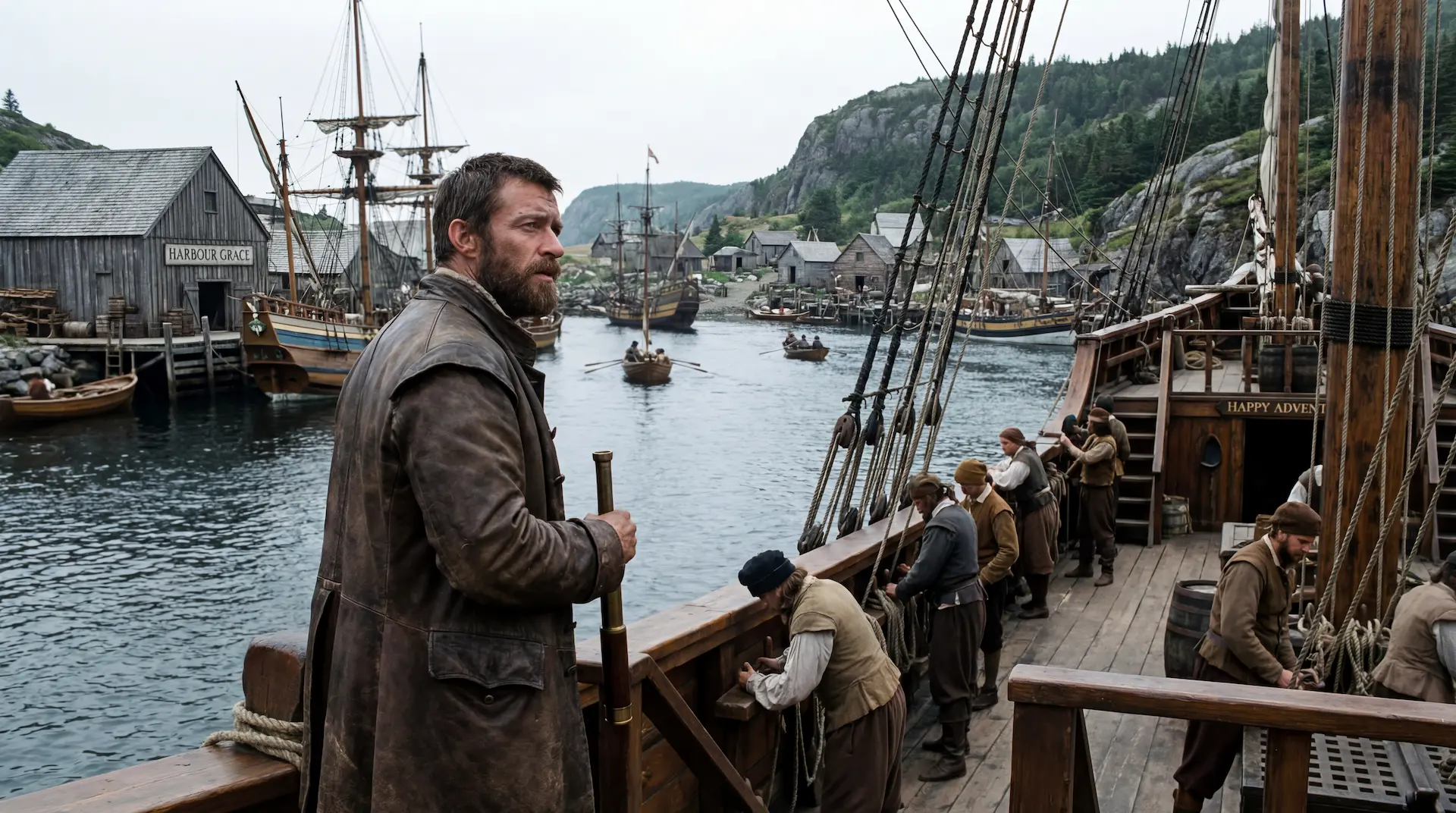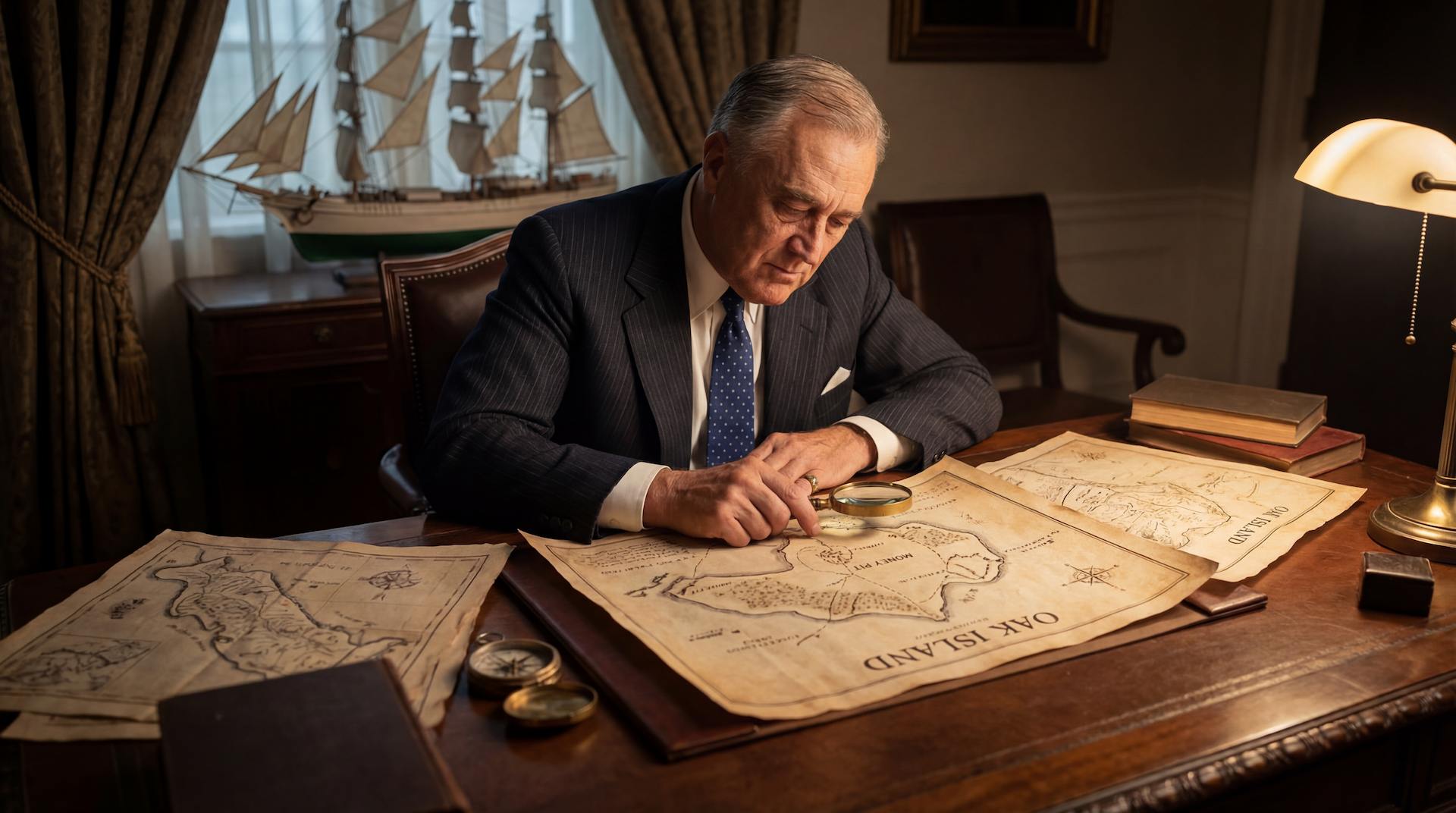
On August 24, 1939, the President of the United States sat down to write a letter to his childhood friend Duncan G. Harris. The subject was not the deteriorating situation in Europe, nor the military buildup that would soon engulf the world. The subject was Oak Island. "I planned to go into Mahone Bay," Roosevelt wrote, "but the fog delay and the international situation made it impossible." He added that he was much interested in Gilbert Hedden's expedition, and closed with a line that belonged more to a college reunion than to the White House: "What a grand crew you had with you. I wish I could have joined up." One week later, Germany invaded Poland.
That letter was not an anomaly. Franklin Delano Roosevelt's fascination with Oak Island lasted thirty-six years, from a boyhood visit to the island in the 1890s to presidential correspondence with treasure hunters, engineers, and explorers throughout the 1930s. He is the only sitting president known to have maintained an active interest in the mystery, and his involvement connects three generations of the Roosevelt family to the search.
The connection was also geographic. The Roosevelt family had summered on Campobello Island, New Brunswick, since the 1880s, and Franklin spent nearly every childhood summer there. It was on Campobello that he would contract polio in August 1921, and the estate remains a landmark to this day as the Roosevelt Campobello International Park. Oak Island lay roughly a day's sail south along the same Atlantic coast. The mystery was never far from his doorstep.
The Delano Investment
The Roosevelt family's connection to Oak Island predates Franklin's birth. His maternal grandfather, Warren Delano Jr., was a wealthy merchant who had made his fortune in the China trade. In 1849, Delano invested in the Truro Company, the second major treasure-hunting syndicate to work the island. It was the Truro Company that discovered the box drains at Smith's Cove and recovered small bits of gold chain from the Money Pit, providing the first physical evidence that something of value lay below. The young Franklin grew up hearing these stories. Oak Island was not an abstraction to him. It was a family inheritance.
The Boy on the Island
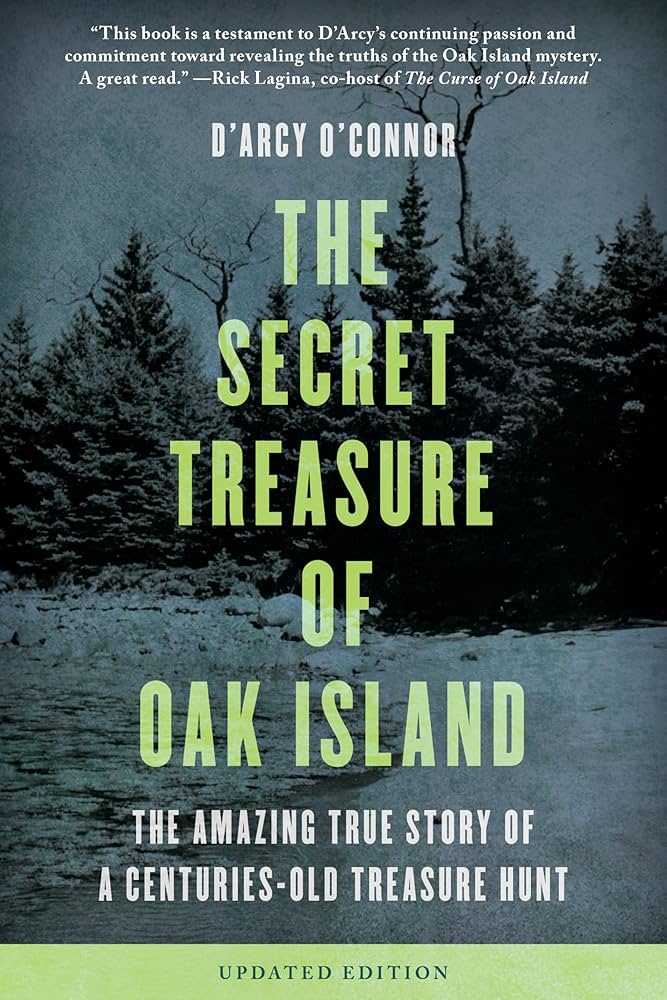
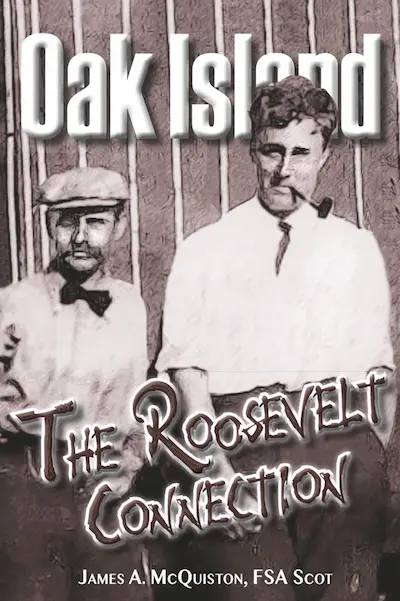
In 1976, author D'Arcy O'Connor wrote to the Franklin D. Roosevelt Presidential Library at Hyde Park, New York, inquiring about Roosevelt's connection to Oak Island. The reply, from the National Archives and Records Service, contained a detail that has received remarkably little attention. The Library confirmed documentation of not one but two Roosevelt expeditions to Oak Island: "the first about 1896 and the second about 1908." Among their holdings was a collection of twenty-four photographs of the treasure site and digging apparatus, and in one photograph, the young Roosevelt was clearly present.
If the 1896 date is accurate, Franklin Roosevelt was approximately fourteen years old when he first set foot on Oak Island. He was a student at Groton School, the son of a prominent New York family, and already absorbing the treasure stories that his grandfather's generation had brought back from Nova Scotia. The visit would have placed him on the island during the period when Frederick Blair's Oak Island Treasure Company held the search rights, a full thirteen years before the expedition that is usually cited as Roosevelt's first involvement.
54 Wall Street
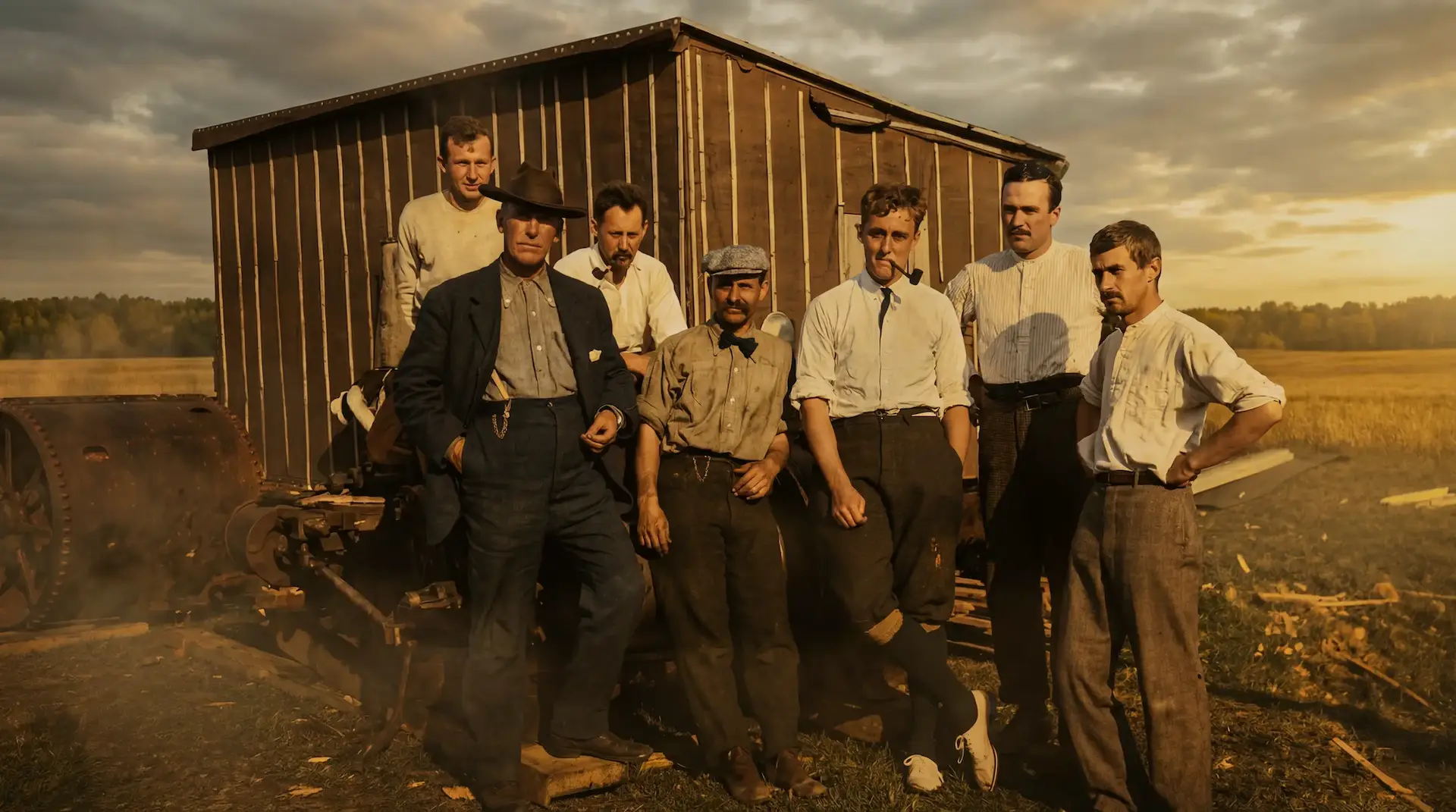
By 1909, Roosevelt was a twenty-seven-year-old law clerk at the firm of Carter, Ledyard and Milburn, working from an office at 54 Wall Street in Manhattan. That year he invested in the Old Gold Salvage and Wrecking Company, a new venture led by Captain Henry L. Bowdoin that planned to use modern engineering equipment to finally crack the Money Pit.
Roosevelt's friend and fellow investor Duncan G. Harris traveled to Oak Island that summer. On October 17, 1909, Harris wrote to Roosevelt from the offices of Harris and Vaughan, Real Estate, at 1416 Broadway in New York. The letter is remarkably detailed. Harris reported that he had arrived on the island on August 27th and found conditions different from what had been represented: Captain Welling did not know the location of the supposed tunnels, and Bowdoin decided to clear out the main pit instead. They found water at thirty feet from the top of the cribbing and discovered that their sinking pump, throwing sixty gallons a minute, was insufficient. By use of a bucket, they cleared the pit to a depth of 107 feet, removing large quantities of boulders and timber. At that depth they found a heavy platform across the bottom of the cribbing which they were unable to remove.
Harris then described the boring operations. By core drill they reached 160 feet, striking nothing of interest until 150 feet, where they passed through about eight inches of what seemed like cement, then four feet of sand, then four more inches of cement, then blue clay, and at 160 feet hard gravel. A chemist named Rodman, employed by the Pennsylvania Railroad, analyzed the cement and pronounced it "undoubtedly artificial." Harris noted that they had struck it at exactly the same depth Captain Welling had nine years earlier, on the occasion when Welling said he found a small piece of parchment.
The Bowdoin expedition ultimately failed to reach the treasure, but Roosevelt's investment and Harris's reporting established a pattern that would continue for decades. Even as his political career accelerated through the New York State Senate, the Navy Department, and the governorship of New York, Roosevelt maintained his connection to the search through a network of friends and associates. In November 1926, Bowdoin wrote to Roosevelt proposing a new investment in a diving operation using a special suit to recover treasure from sunken ships. Roosevelt did not dismiss it. Instead he forwarded the letter to his adviser Thomas A. Scott, asking for an opinion. Scott replied the next day. Roosevelt then wrote back to Bowdoin. The exchange took less than a week. Seventeen years after the failed expedition, Roosevelt was still taking Bowdoin's proposals seriously enough to seek professional counsel.
Letters to the White House
Roosevelt was elected president in 1932, and the Oak Island correspondence followed him to Washington. The letters in the presidential files, compiled by researcher Les MacPhie in 2014, reveal a sitting president engaged in regular exchanges about a treasure hunt in Nova Scotia.
In October 1933, a woman named Ida L. Purves wrote directly to "Mr. President" about Oak Island. Roosevelt replied on November 11. In September 1936, the engineering firm Sprague and Henwood contacted the White House about the island, and Roosevelt responded. These were not perfunctory acknowledgments. The president was reading the letters, engaging with the details, and writing back.
The most extraordinary correspondence began on September 1, 1937, when Gilbert D. Hedden wrote to Roosevelt from Chester, Nova Scotia, on the letterhead of Gilbert D. Hedden, Inc., a Cadillac, LaSalle, and Oldsmobile dealership in Morristown, New Jersey. Hedden, a wealthy businessman who had purchased the eastern end of Oak Island and was conducting his own excavations, opened his letter with a sentence that captures the peculiar gravity of the Oak Island story: "Knowing that you were once associated with or interested in, an endeavor to solve the mystery of Oak Island, Nova Scotia, I felt that it might be of interest to you to know of the more recent history of this strange spot."
Hedden then gave the president a full briefing. He described how his interest dated to 1927, when he read an account in the magazine section of the New York Times. He explained that he had contacted Frederick Blair, examined Blair's files accumulated over forty years, and begun his own excavations in 1936. The correspondence between Hedden and Roosevelt continued through multiple exchanges, with Hedden providing updates on his progress and theories. It was Hedden who had traveled to England to meet the author Harold Wilkins about an alleged Captain Kidd treasure map, and it was Hedden who would later connect the island to a broader network of historical mysteries.
The Professor's Concern
In February 1939, Professor Erwin H. Hamilton, a consulting engineer at New York University, wrote to Roosevelt at the White House about a different matter entirely. Hamilton had been working on Oak Island and had learned that Popular Science magazine was about to publish a series of articles about the treasure hunt, starting with the March issue. Hamilton was worried. He told the president that the articles had been written by a staff member of the magazine, that he personally had provided no information, and that the material must have come from Hedden or another source. His concern was diplomatic but unmistakable: "I hope that it will develop that these articles have been based on true facts so that they will not prove embarrassing."
The letter reveals how sensitive the Oak Island connection had become. A sitting president's youthful treasure-hunting adventure was about to appear in a national magazine, and his associates were scrambling to ensure the coverage would not cause political damage. That Roosevelt maintained his interest despite this risk says something about the hold the mystery had on him.
The Visit That Never Was
In the summer of 1939, Duncan Harris wrote to Roosevelt on personal stationery headed simply "Winsome," the name of his sailing vessel. Harris knew that Roosevelt would be cruising the Nova Scotia coast that August and invited him to visit Oak Island. "Since you will probably sail by Mahone Bay twice," Harris wrote in his familiar, looping hand, "it might interest you to visit the scene of our 1909 treasure seeking activities, where there have been interesting developments." Harris mentioned that he had met Gilbert Hedden, the new owner, and that Hedden had built a lumber home near the pit and was working with modern engineering equipment. "Since he has plenty of money it looks as though the mystery would be solved at last."
Harris added that he himself was sailing eastward with friends in a 65-foot ketch, naming his companions: John Saltonstall, Otway Byrd, Charlie Draper (all Harvard class of 1900), and Jim Lawrence (class of 1901). "F.V. (fog willing)," he wrote, "we may get as far as Oak Island ourselves."
Roosevelt's reply came on August 24. He confirmed that he had planned to enter Mahone Bay but that fog and the international situation had made it impossible. He expressed delight at the Popular Mechanics stories about the island and said he was much interested in Hedden's expedition. "I wish I could have joined up," he wrote.
The FDR Library later complicated this account somewhat. In their 1976 reply to D'Arcy O'Connor, they noted that Roosevelt had written to industrialist Cyrus Eaton on August 2, 1939, declining an invitation to stop at Eaton's home near Chester, Nova Scotia, stating that he was "not going to stop anywhere except at Campobello." Whether the Mahone Bay plan was a private intention that Roosevelt kept separate from his official itinerary, or whether he softened his refusal to Harris with a kinder explanation, the letters do not resolve. What is clear is that in August 1939, the last summer before the world changed, Franklin Roosevelt was still thinking about Oak Island.
What Roosevelt Believed
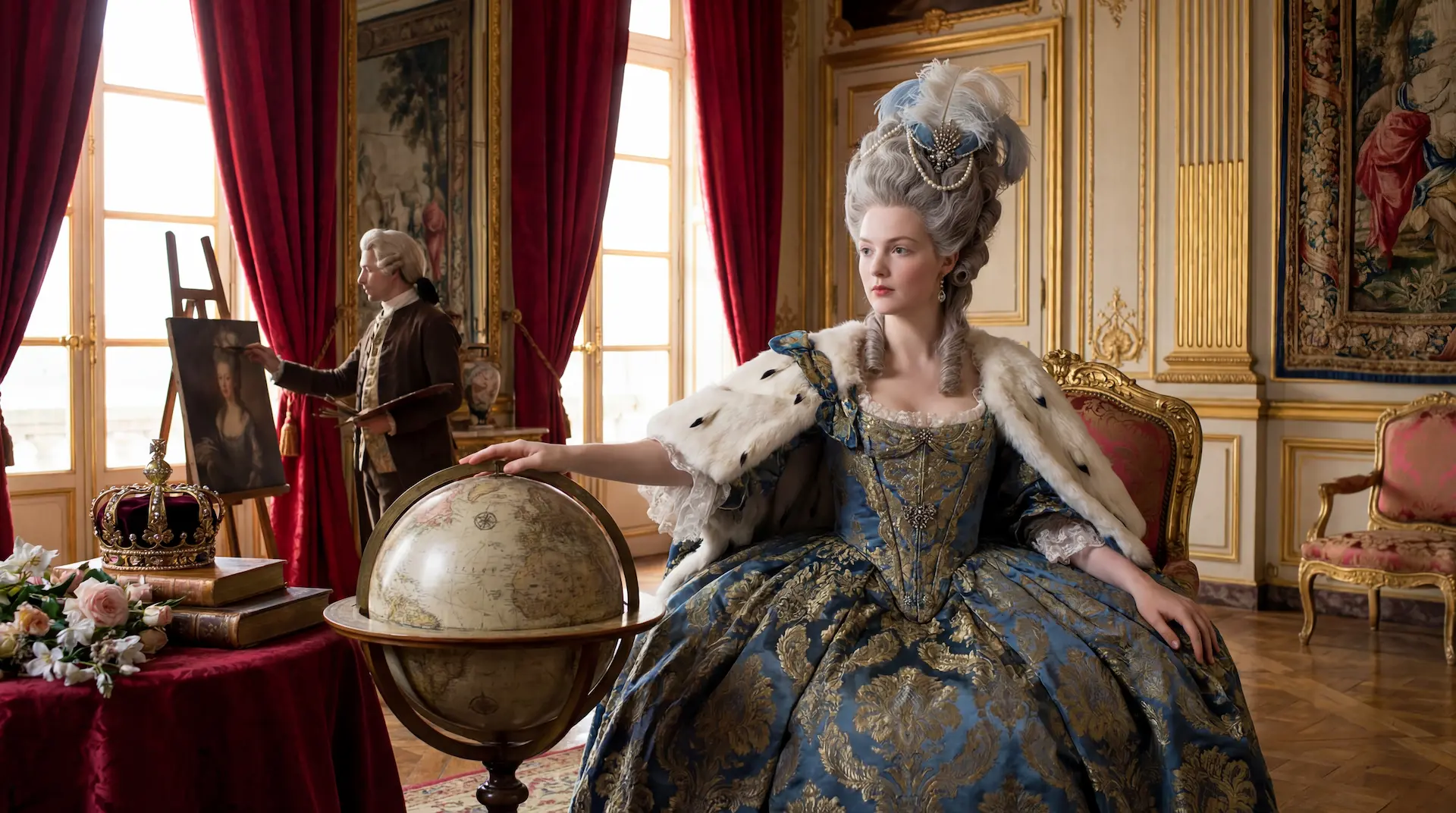
The question of what Roosevelt thought lay beneath the island was answered decades after his death. Researcher Paul Troutman, working in the archives at Hyde Park, discovered an interview transcript with Duncan Harris recorded by biographer Joseph P. Lash. In the interview, Harris confirmed that he had accompanied Roosevelt to Oak Island and revealed what his friend believed: the treasure was the lost crown jewels of Louis XVI and Marie Antoinette, smuggled out of France during the Revolution and hidden in Nova Scotia.
This discovery was presented to Rick Lagina and Alex Lagina in Season 4, Episode 12 ("Hyde Park and Seek"), when the team visited the Roosevelt Library. The revelation connected the most powerful man in American politics to one of the most romantic theories about Oak Island, and it raised an obvious question: Roosevelt had access to intelligence resources that no previous treasure hunter could have imagined. If anyone could have investigated the Marie Antoinette theory through diplomatic and intelligence channels, it was a sitting president. Whether he ever did so remains unknown. No such inquiry has surfaced in the presidential papers.
 The Jewels of Marie Antoinette→
Thirty-Six Years
Franklin Delano Roosevelt died on April 12, 1945, at Warm Springs, Georgia. He never returned to Oak Island after his 1909 expedition, and the planned 1939 visit was thwarted by fog and the gathering storm of a second world war. But his archive tells the story of a man who never let go. Twenty-four photographs. Twenty-six pages of correspondence. An investment in a salvage company. At least one and possibly two visits to the island. Letters exchanged with treasure hunters, engineers, professors, and private citizens across three decades.
A Pentagon in a Swamp
Two years after fog and war prevented Roosevelt from entering Mahone Bay, he made a decision that his generals could not explain. The new headquarters for the Department of War would be built as a pentagon, the largest on earth, and it would be built not on the solid ground at the foot of the Arlington Memorial Bridge where the Army wanted it, but in a swampy shanty town called Hell's Bottom. Roosevelt personally drove General Brehon Somervell to the site on Columbia Pike, pointed at the marsh, and gave the order. One hundred and fifty people were evicted. Six hundred and eighty thousand tons of sand were dredged from the Potomac to make concrete. Forty-one thousand piles were driven into the mud to keep the building from sinking. The generals, who called the design "the world's largest target," opposed both the shape and the location. Roosevelt insisted on both.
The parallels are difficult to ignore. Louis XIV chose an inaccessible, unremarkable marshland for Versailles, a site his courtiers found miserable, because its precise geographic position mattered more than the ground beneath it. Roosevelt, who had walked on Oak Island as a boy and written about it from the White House as president, demanded the same: a specific shape, in a specific place, over the objections of every practical mind in the room. Ground was broken on September 11, 1941.
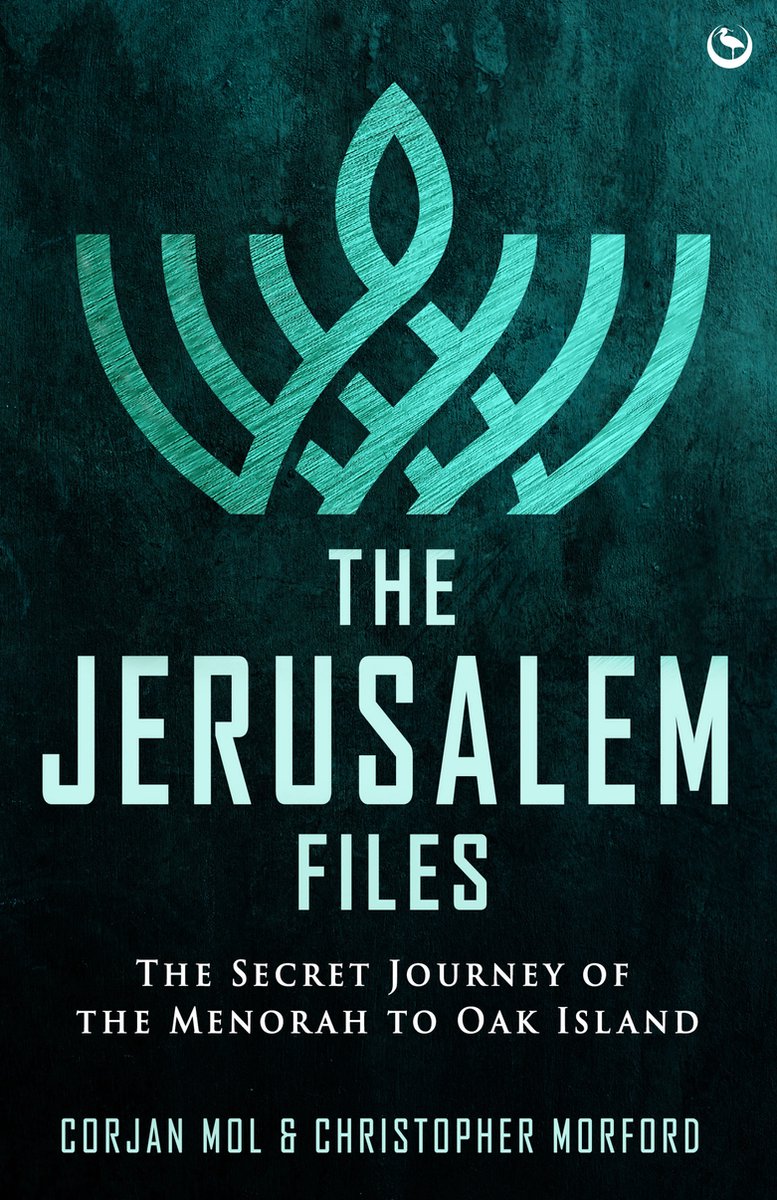
Why a pentagon. Why a swamp. Why there. These are questions that the presidential correspondence cannot answer, but the geometry might. For those who wish to follow that thread further, the authors explore the sacred geometry connecting Versailles, Washington, and Oak Island in The Jerusalem Files: The Secret Journey of the Menorah to Oak Island (Watkins/Penguin Random House, 2024).
In 1909, a young law clerk at 54 Wall Street read a letter from his friend about cement at 150 feet and a pump that could not keep up with the water. In 1939, the President of the United States wrote from the White House that he wished he could have joined a sailing party bound for the same island. In 1941, he ordered the largest pentagonal structure ever built, planted in a swamp, against every recommendation he received. The mystery that captured Roosevelt as a boy held him for the rest of his life. Whatever he knew, or believed, or had been told, it was enough to shape the geometry of a nation's capital.