About This Sample
A sample of recent seaweed collected from the storm high tide mark along Smith's Cove on 25 July 1995, sampled by DGA and BG during the WHOI field investigation. This fibrous, seaweed-mat material was submitted as a methodological control - if the radiocarbon dating system was working correctly, a recently deposited seaweed sample should return a modern date.
The result confirmed expectations: WHOI receipt 10164, sample ID OI-ICF1, returned a modern radiocarbon age, validating the reliability of the AMS dating process used for all other Oak Island samples in the WHOI study.
Importantly, comparison of this seaweed with the purported coconut fibre from Smith's Cove showed distinctly different morphology, confirming that the fibre-like material found beneath the beach is not simply misidentified seaweed - a hypothesis that had been raised by some skeptics. The WHOI report noted this comparison was "of no interest in interpreting coconut fibre history" because the two materials were clearly different.
Historical Context
Sources: Les MacPhie, "Summary of Documents and Results for Carbon Dating at Oak Island" (compiled July 2006). WHOI draft report (8 April 1996), Table 6, receipt 10164 / OI-ICF1. WHOI report discussion of seaweed comparison, pp. 38-39 of draft (MacPhie compilation pp. 51-52).
Where It Was Found
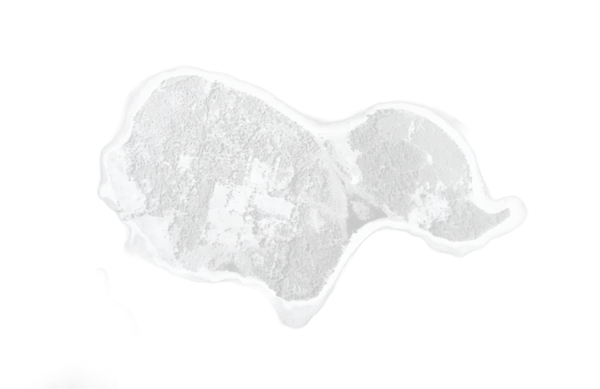
Found at Smith's Cove, storm high tide mark — the north shore of Oak Island where the flood tunnel system was discovered.