In Season 10, Rick Lagina, Doug Crowell, Alex Lagina, Peter Fornetti, and Corjan Mol traveled to Viterbo as part of a research trip to Italy, guided by Templar investigator Gianluca Di Prosper and translator Emiliano Sacchetti. The city's 13th-century importance as a papal and Templar-connected centre made it a natural destination for…
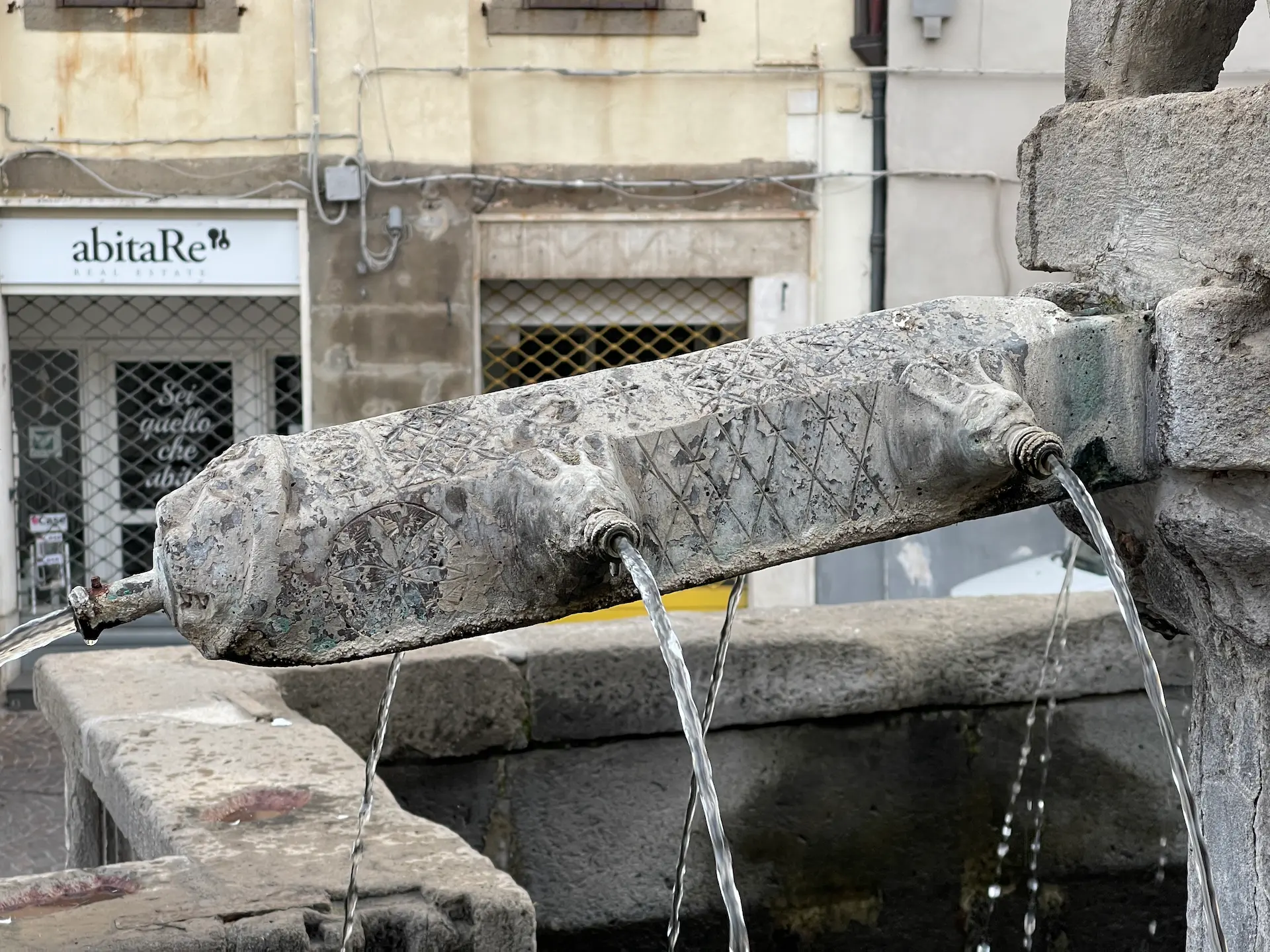
Iconic 13th-century fountain in the medieval quarter of Viterbo, a city in central Italy that served as temporary papal headquarters and contained multiple sites connected to the Knights Templar.
About This Site
The Fontana Grande is the oldest and most prominent of Viterbo's medieval fountains, dating to 1212. It stands in the Piazza della Rocca in the heart of the city's historic centre, a symbol of Viterbo's importance during the 13th century when the city served as temporary seat of the papal court under Pope Alexander IV. Built from local peperino stone in a cross-shaped basin design, the fountain reflects the architectural ambition of a city that rivaled Rome in political and religious influence during the medieval period. Viterbo's historic quarter, the San Pellegrino district, is one of the best-preserved medieval urban landscapes in Italy, retaining its 12th- and 13th-century streets, towers, and churches largely intact.
Connection to Oak Island
In Season 10, Rick Lagina, Doug Crowell, Alex Lagina, Peter Fornetti, and Corjan Mol traveled to Viterbo as part of a research trip to Italy, guided by Templar investigator Gianluca Di Prosper and translator Emiliano Sacchetti. The city's 13th-century importance as a papal and Templar-connected centre made it a natural destination for investigating the European origins of symbols found on Oak Island. The team's principal discovery in Viterbo took place at the nearby Church of Santa Maria Nuova, where they identified four-dot crosses, Latin inscriptions, and carvings matching the H/O stone. Viterbo's concentration of medieval religious and military-order architecture provided broader context for understanding the symbolic traditions the Templars carried across Europe and potentially to the New World.
Fieldwork Notes
Visited during Season 10 by Rick Lagina, Doug Crowell, Alex Lagina, Peter Fornetti, and Corjan Mol, guided by Gianluca Di Prosper and Emiliano Sacchetti. The Viterbo visit centred on the Church of Santa Maria Nuova (documented separately), with the Fontana Grande and medieval quarter providing historical context for the city's 13th-century significance.
Gallery