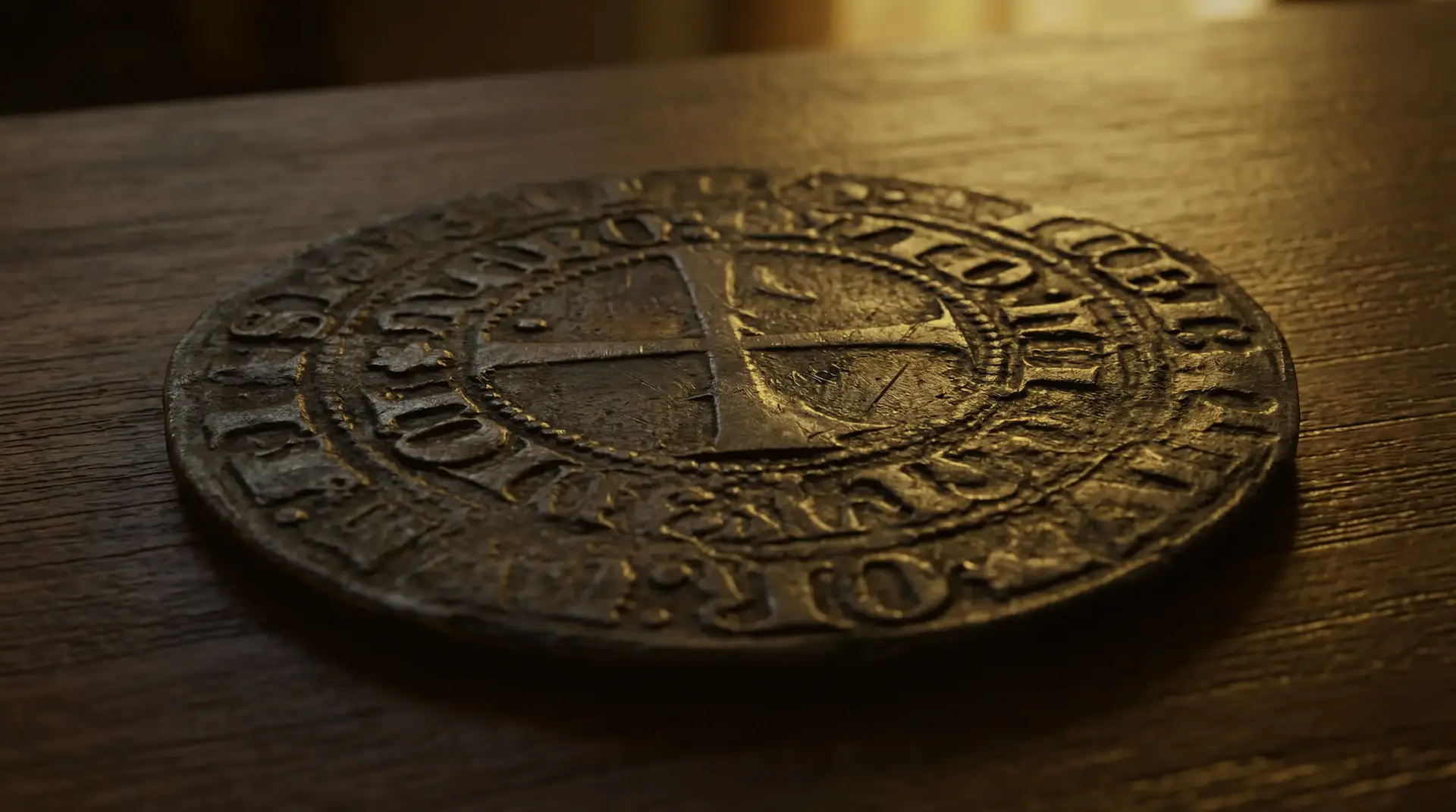
About This Artifact
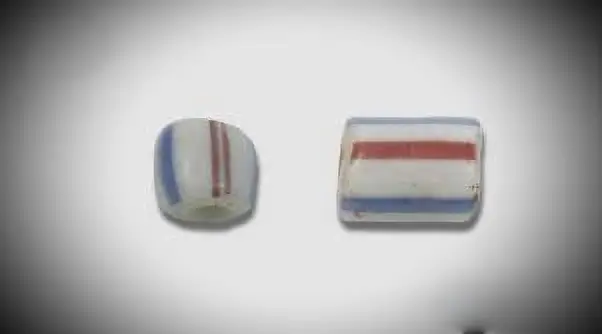
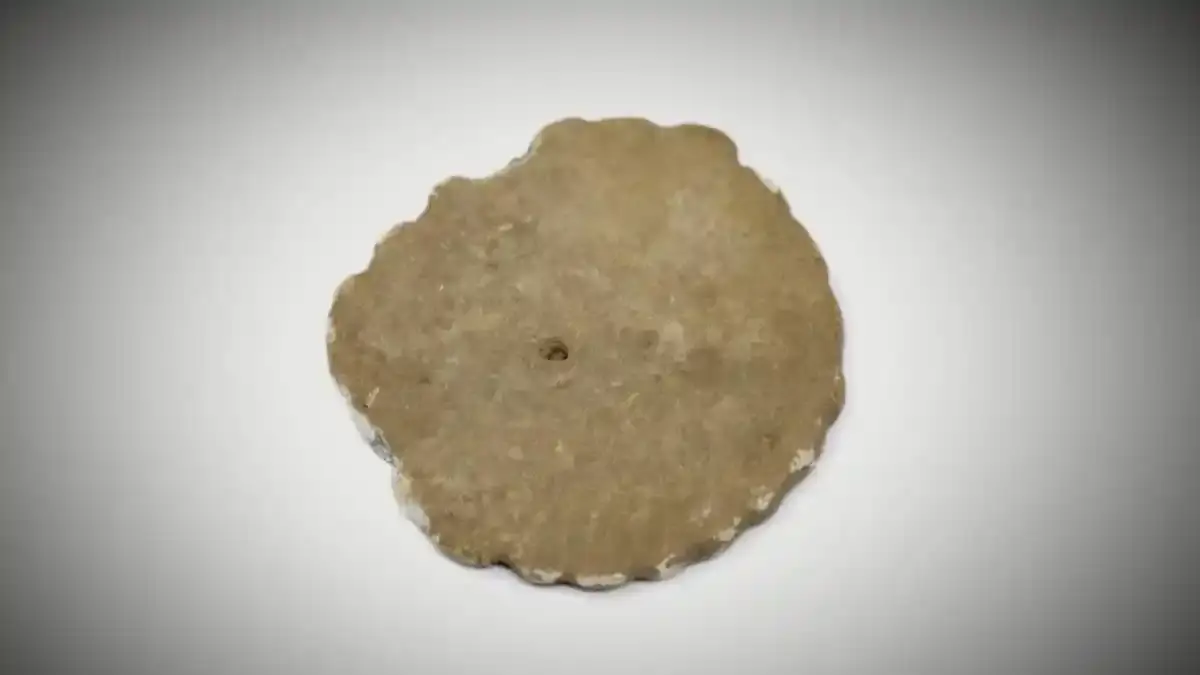
A decorative button recovered from Lot 5 near the round stone foundation, identified as bearing design similarities to buttons worn on Knights of Malta uniforms. The artifact was one of several buttons found in the same area during Seasons 11 through 13, all concentrated within the feature that has also yielded Venetian trade beads, a 14th-century lead barter token, Roman coins, and a folded talisman coin.
The connection to the Knights of Malta was first proposed by researcher Judi Rudebusch at the Oak Island Museum during Season 12. Drawing from books acquired by researcher John Edwards, Rudebusch explained that after the dissolution of the Knights Templar in 1312, all Templar assets passed to the Knights Hospitaller, who moved from Cyprus to Rhodes and by the 1550s to Malta, where they began digging tunnels and constructing underground works similar to what has been found in the Money Pit. She pointed out similarities between the button found on Lot 5 and known Malta uniform buttons, and noted that the Venetian beads recovered nearby originated from the same region where the Knights were based.
A Malta-based button expert subsequently examined photographs of the artifact and identified it as possibly Spanish in origin, dating it to approximately 1650 to 1675, with carvings resembling buttons found at the Cittadella in Gozo. The dating aligns with Isaac de Razilly, a Knight of Malta and descendant of the de Villiers family of grand masters, who arrived in Nova Scotia in 1632 or 1633 and established the colony of Acadia with his headquarters at Fort Point on the LaHave River, roughly 15 miles south of Oak Island.
Where It Was Found
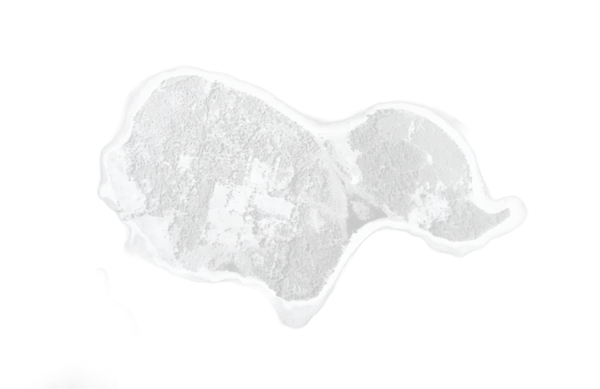
Found at Lot 5 — Oak Island, Nova Scotia, Canada.