About This Coin
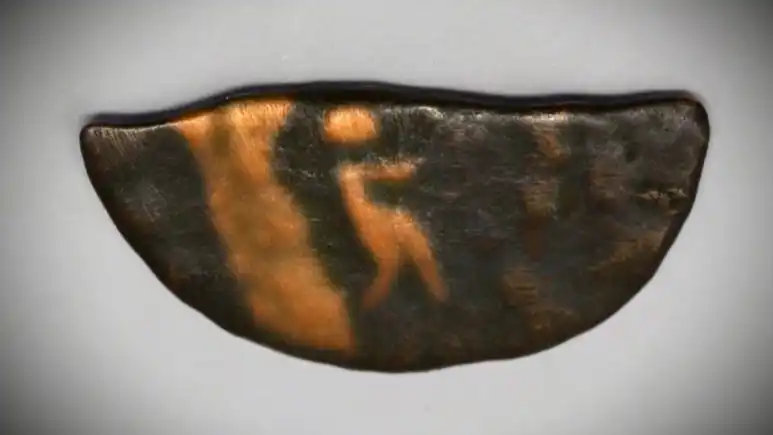
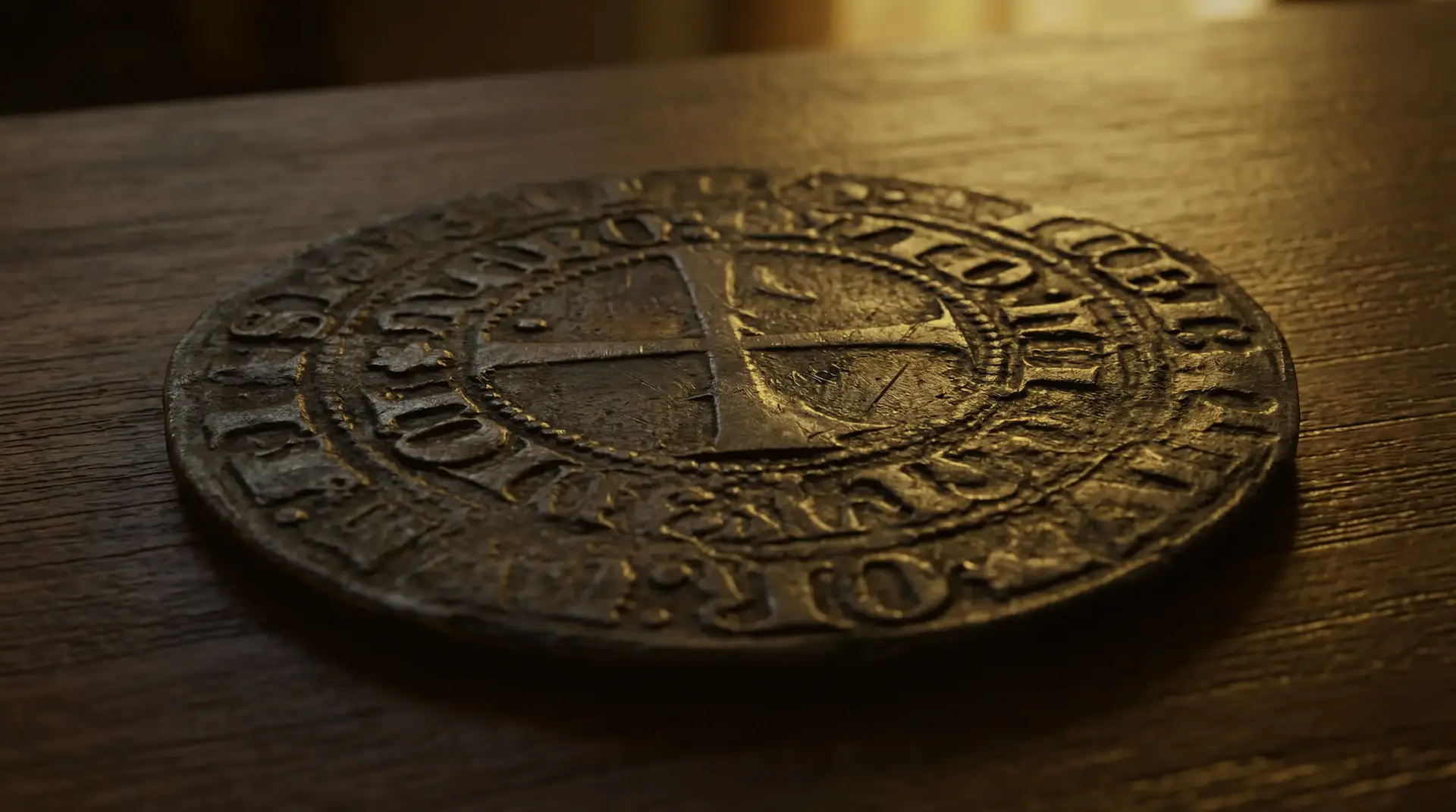
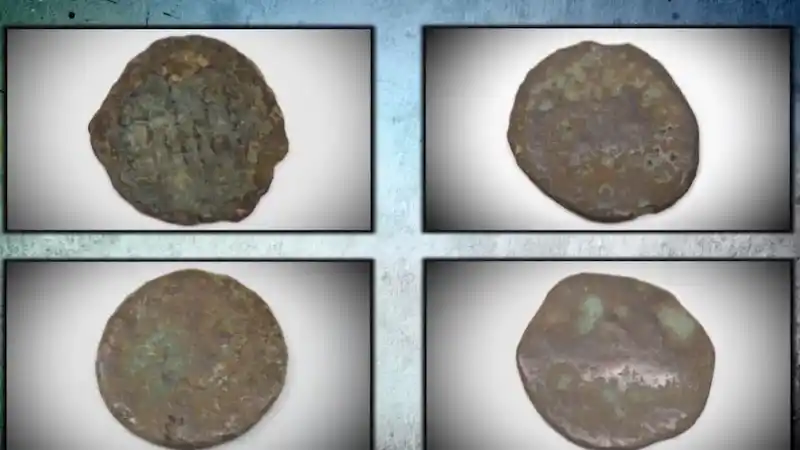
A collection of copper-alloy coins recovered from Lot 5 across Seasons 10 through 13, identified by numismatists and analysts as Roman in origin. The first, a deliberately halved coin, was found by Rick Lagina and Gary Drayton and examined by numismatist Sandy Campbell, who identified it as most likely Roman based on visible Roman characters and a style dating from 300 B.C. to 600 A.D. It weighed exactly one gram, and Sandy noted that deliberate cutting of coins was a common practice for making partial payments.
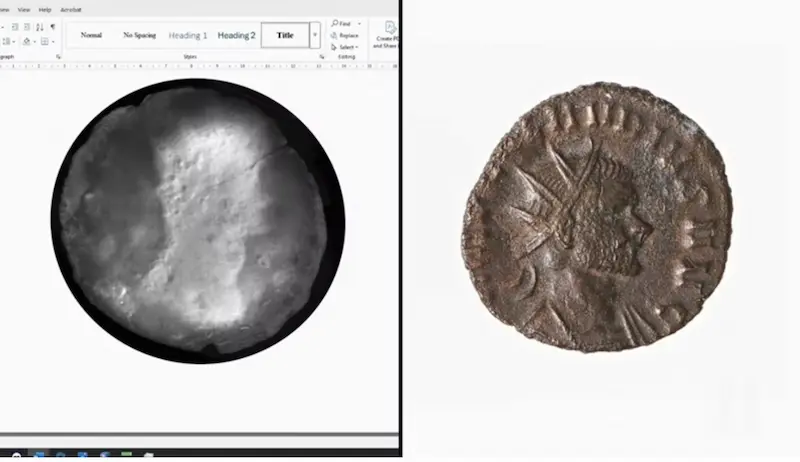
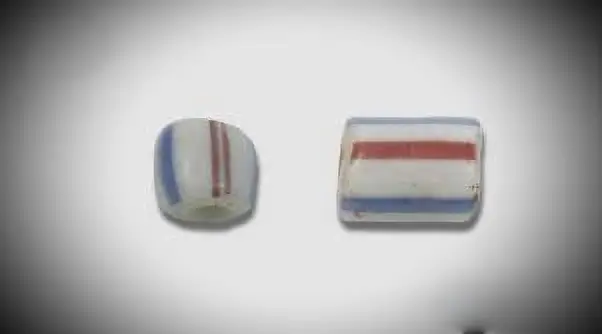
Laser ablation testing by Dr. Chris McFarlane and Brandon Boucher at the University of New Brunswick narrowed the first coin's origin to the Iberian Peninsula or the Mediterranean, ruling out Germany, Greece, and the U.K. In Rome, numismatist Umberto Moruzzi confirmed the coin as Roman, from the 4th century A.D. A second coin recovered the following season carried copper, silicon, lead, and tin, and Emma Culligan identified it as Roman from 100 to 300 A.D. By Season 13, six Roman-era coins had been authenticated from Lot 5, all within a 250-foot radius that also produced a lead barter token, Venetian trade beads, and a 13-foot circular stone pit.
Sandy Campbell observed that Roman coins were actively traded as currency well into the 1500s across Europe and the New World, and suggested the coins on Lot 5 could represent pocket change lost by workers who came to the island to construct the Money Pit. The team's research in Iceland uncovered Roman coins from the same era at sites associated with the Knights Templar, reinforcing a possible medieval European connection.
Historical Context
Gary Drayton, Rick & Marty Lagina; Sandy Campbell
Where It Was Found
Found at Lot 5 — Oak Island, Nova Scotia, Canada.